




The smartphone camera wars have evolved dramatically in the last few years. A conversation that used to focus on camera variety has shifted toward megapixel count, sensor size, and overall versatility. As if that wasn’t enough, manufacturers are now selling first-party zoom kits with high-quality optics and features that complement their ecosystem.
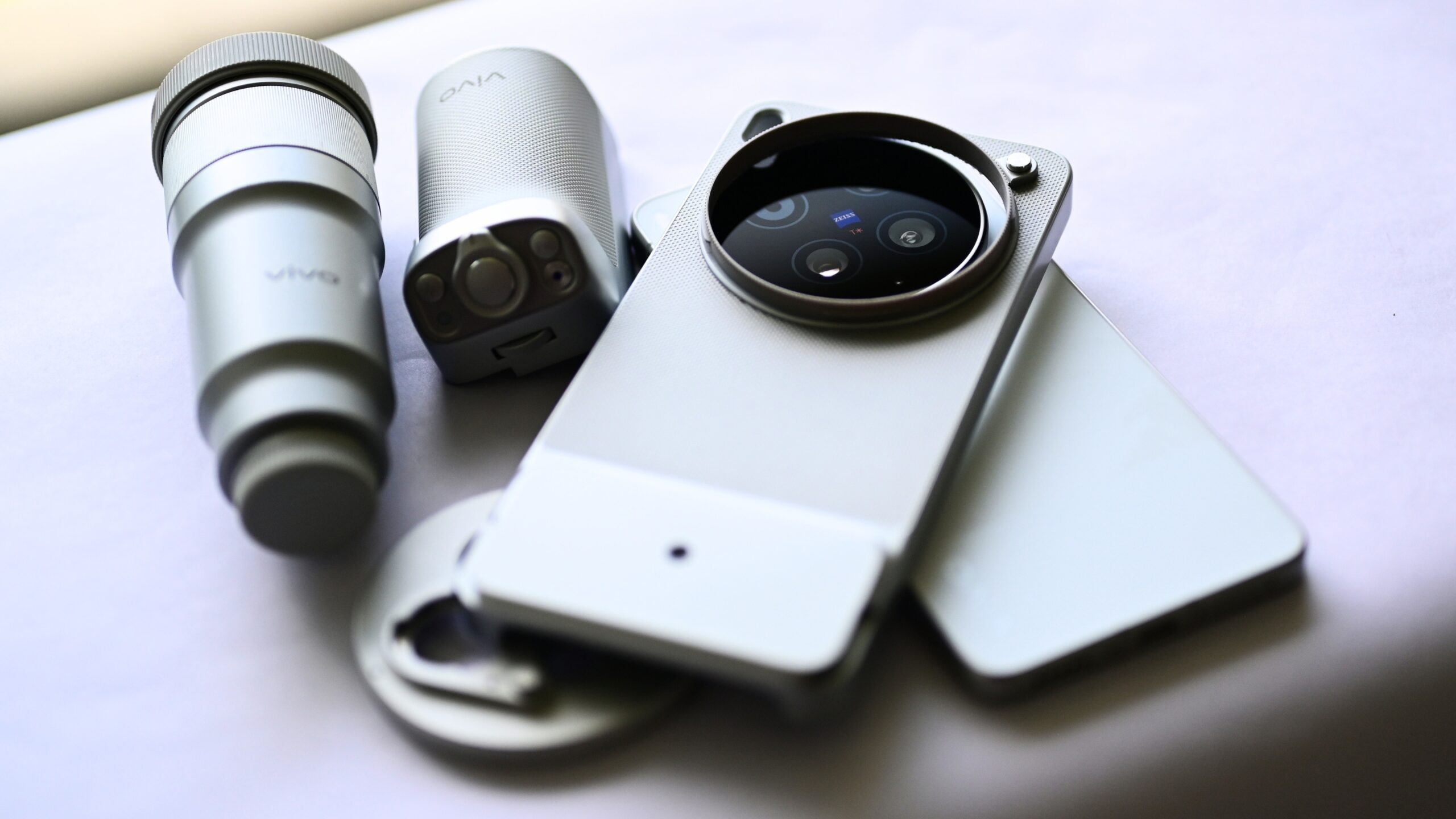
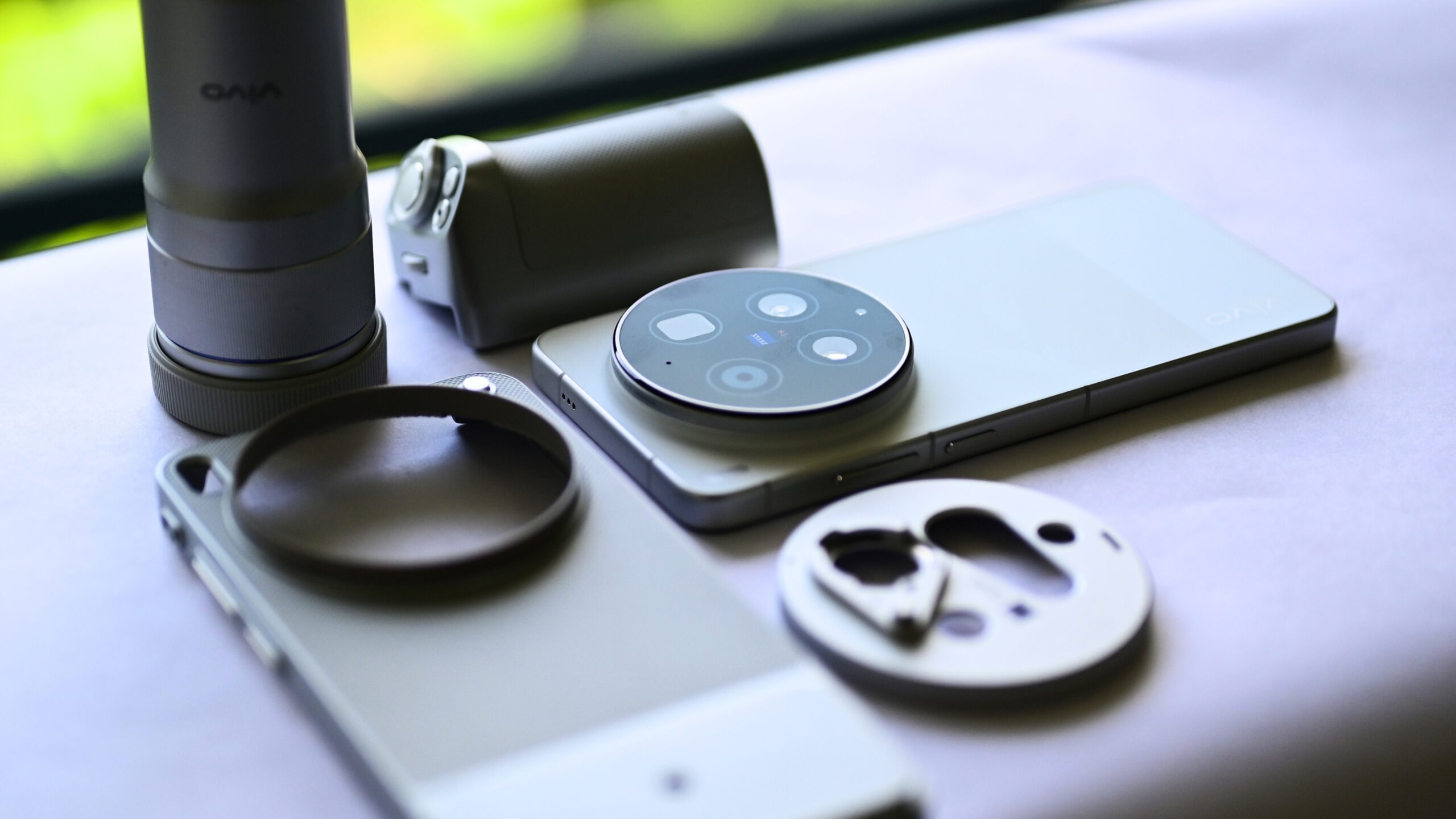
I’ve spent the last few weeks living with Vivo’s X300 Ultra, one of the most ambitious camera systems packed into a Snapdragon 8 Elite Gen 5 smartphone. For more zoom flexibility, Vivo also sells ZEISS Telephoto Extender kits that turn the already chunky X300 Ultra into something resembling a professional camera. It’s genuinely impressive, but for most people, it’s a solution in search of a problem.
The phone’s camera sensors are already absurd
For me, the star of the show is the 3.7x periscope telephoto camera. Based on a 200MP Samsung ISOCELL HP0 sensor with a 1/1.4-inch size, it captures images at an equivalent focal length of 85mm, translating to 3.7x lossless optical zoom. With 3-degree gimbal-grade stabilization and 60fps autofocus tracking, it handles both handheld photography and videography with ease.
Here’s the part that actually matters for everything that follows. The 200MP telephoto sensor is large enough to simulate higher focal lengths, like 170mm (about 7.4x) or even 10x. There is some perceptible quality loss, but pixel binning and AI upscaling make up for most of it.

The result is that anything you capture in this zoom range is more than good enough for social media or even a small print.
The extenders are engineering flexes
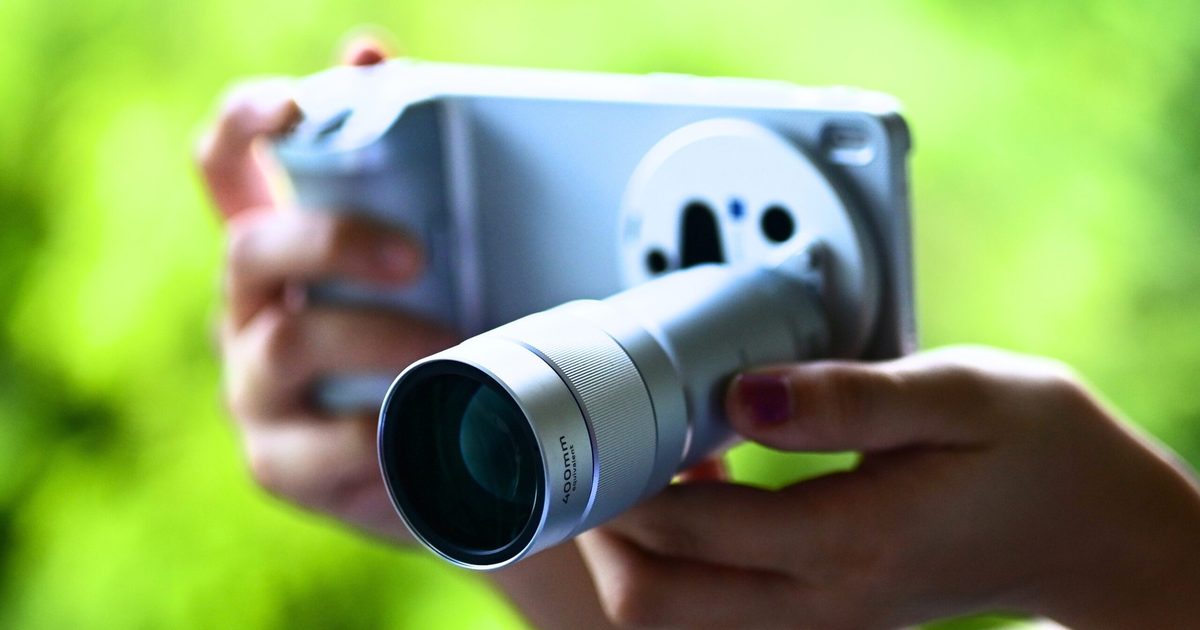
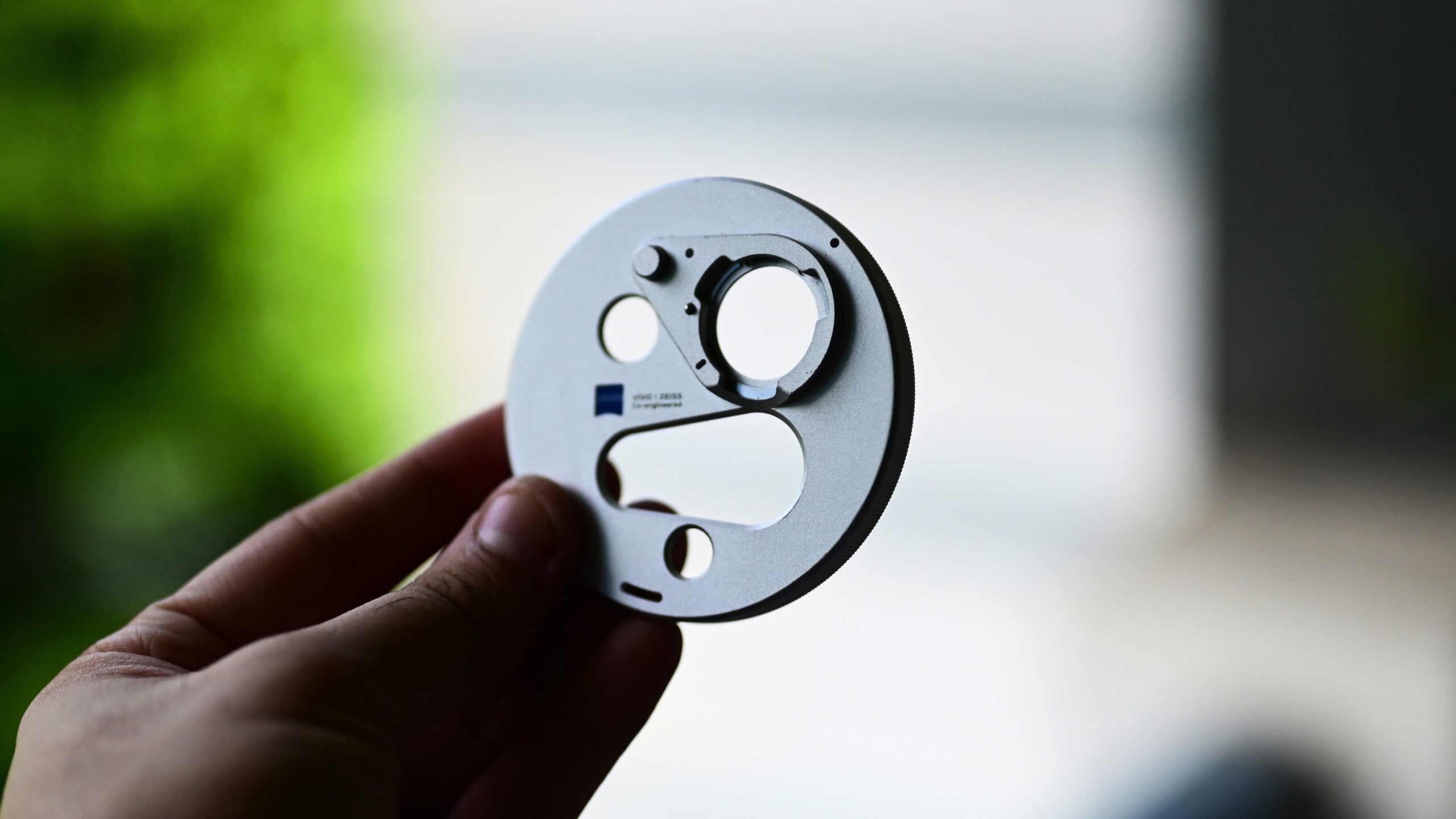
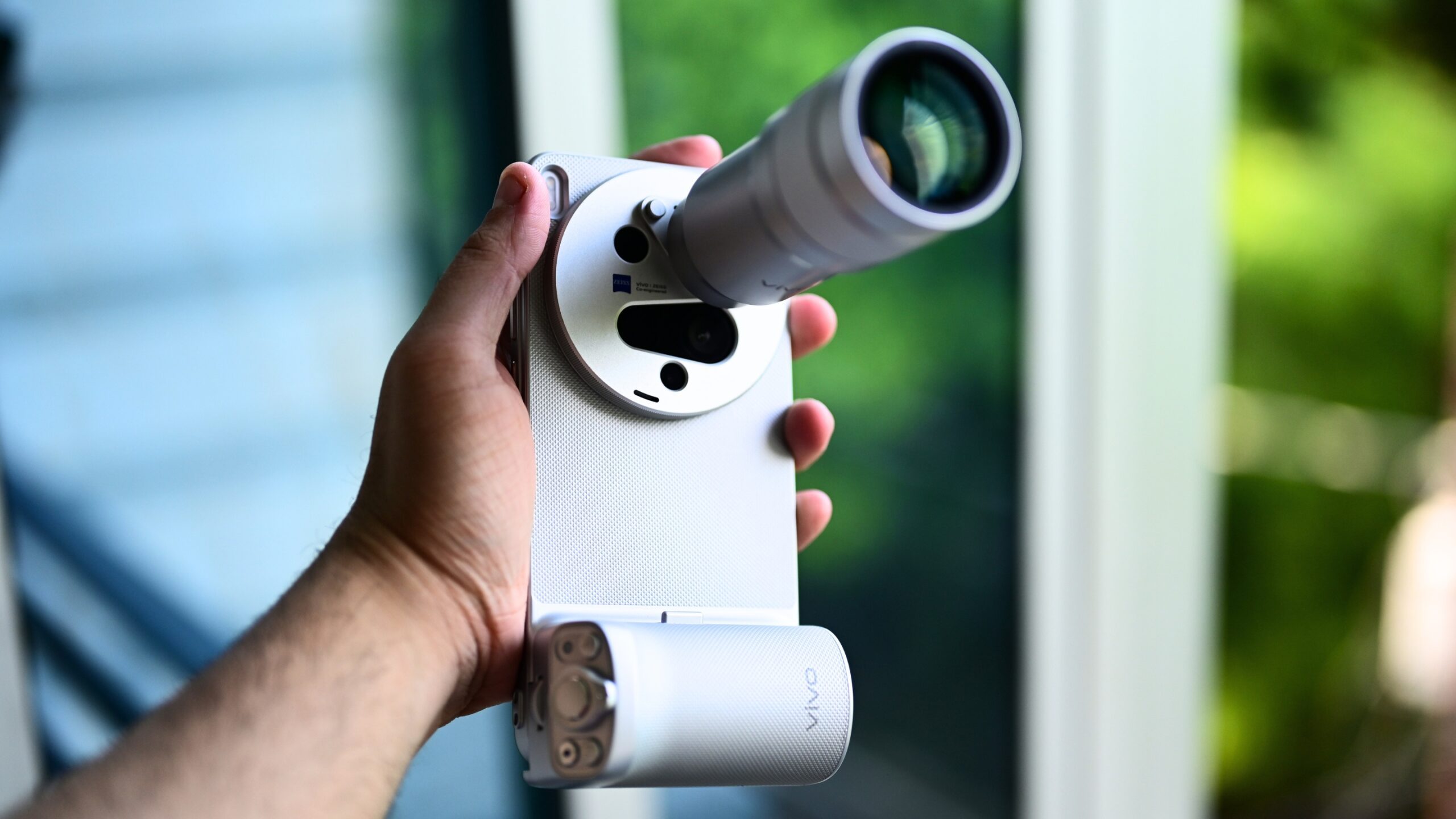
The 400mm-equivalent ZEISS Telephoto Extender Gen 2 Ultra applies 4.7x magnification over that native 85mm zoom lens. That lands at 400mm, roughly 17.4x zoom from the main camera. Built on a Kepler optical structure with 14 glass elements in one group, the lens retains solid stabilization even when attached (CIPA 4.5), but all that glass packed inside an aluminum build weighs 248 grams.
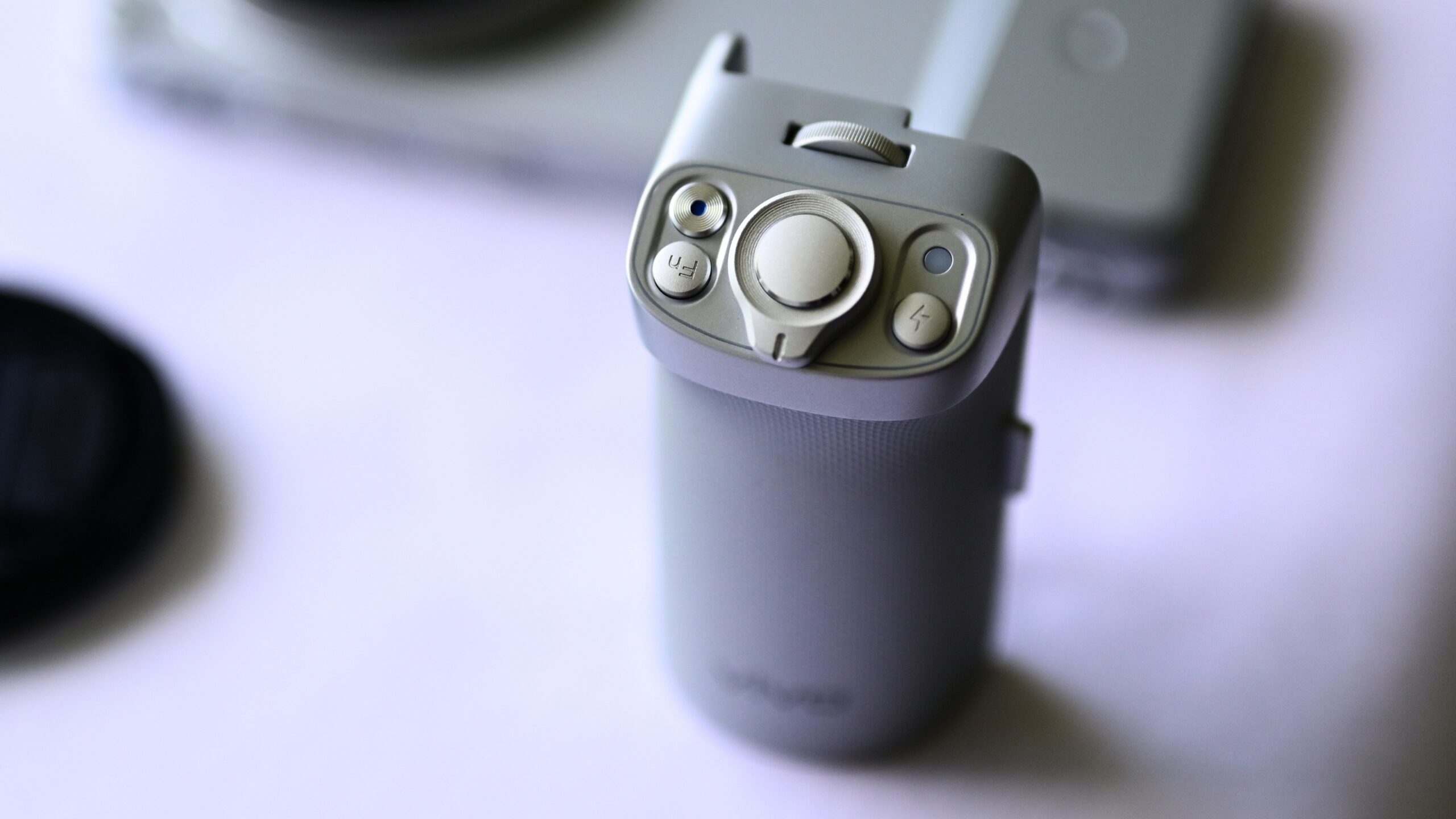
Pair it with the optional Imaging Grip, which adds a 2,300mAh battery, camera-like controls, and a protective case, and Vivo has essentially rebuilt a capable mirrorless camera around your phone.
I get why camera enthusiasts and forums have been losing their minds around this.
This is where the 400mm dream gets complicated
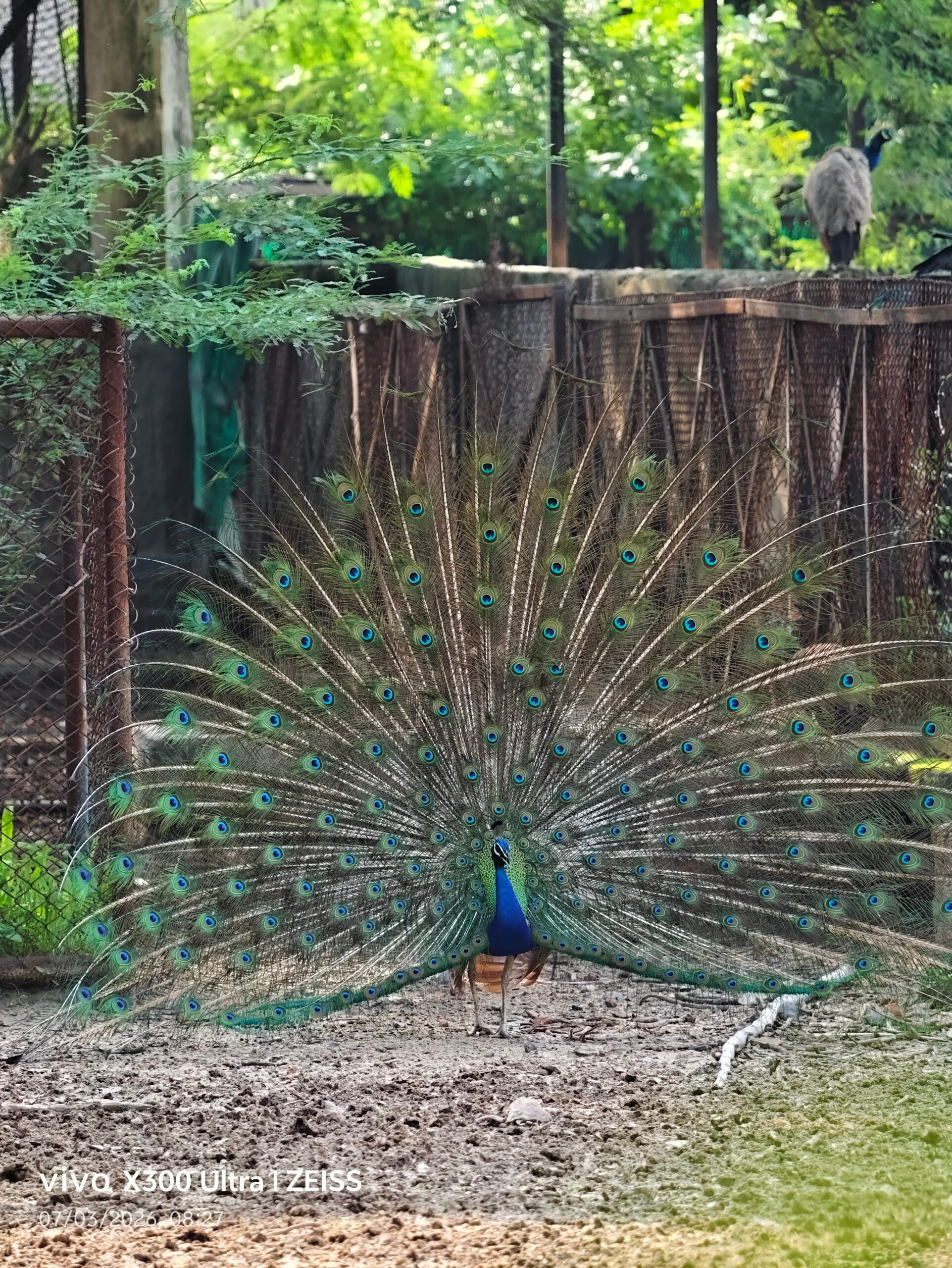
After capturing over 1,200 pictures in the last two weeks, around 400 of them with the 400mm telephoto extender attached, I’ve realized what the hype is about. Beyond the sheer zoom reach, what surprised me most is the amount of fine detail, texture, and depth the lens captures, especially in hair, skin tones, animal fur, flowers, fabric weaves, and wrinkles.
It doesn’t matter whether you’re shooting at the starting 400mm focal length or jumping to the 800mm option in the viewfinder. It also delivers a natural falloff that closely resembles what I’m used to seeing from cameras paired with dedicated telephoto lenses.
At 400mm, the lens hits something of a Goldilocks zone, where the separation between subject and background is almost as convincing as what you’d get from a dedicated camera. Check out some camera samples attached below.



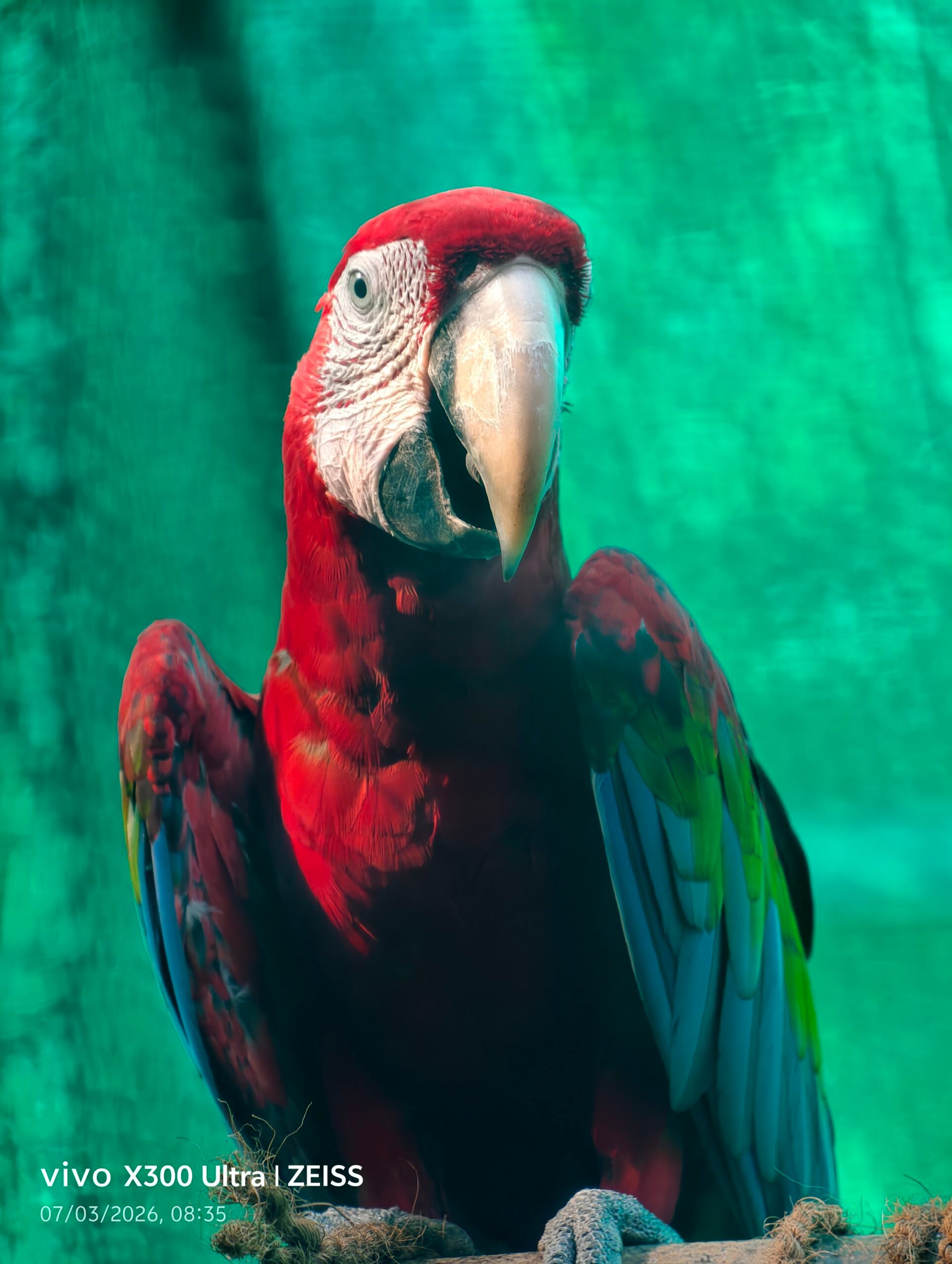
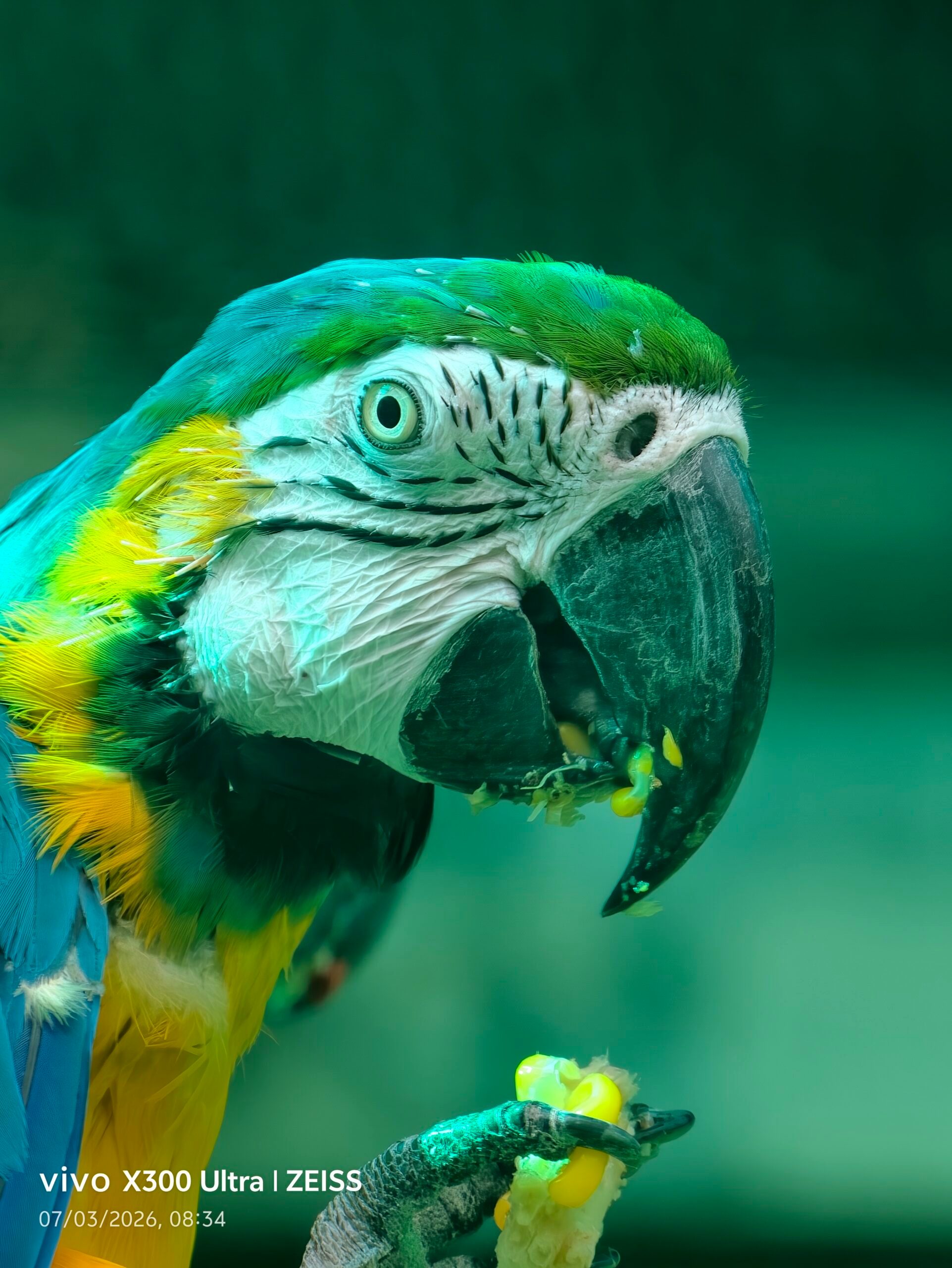
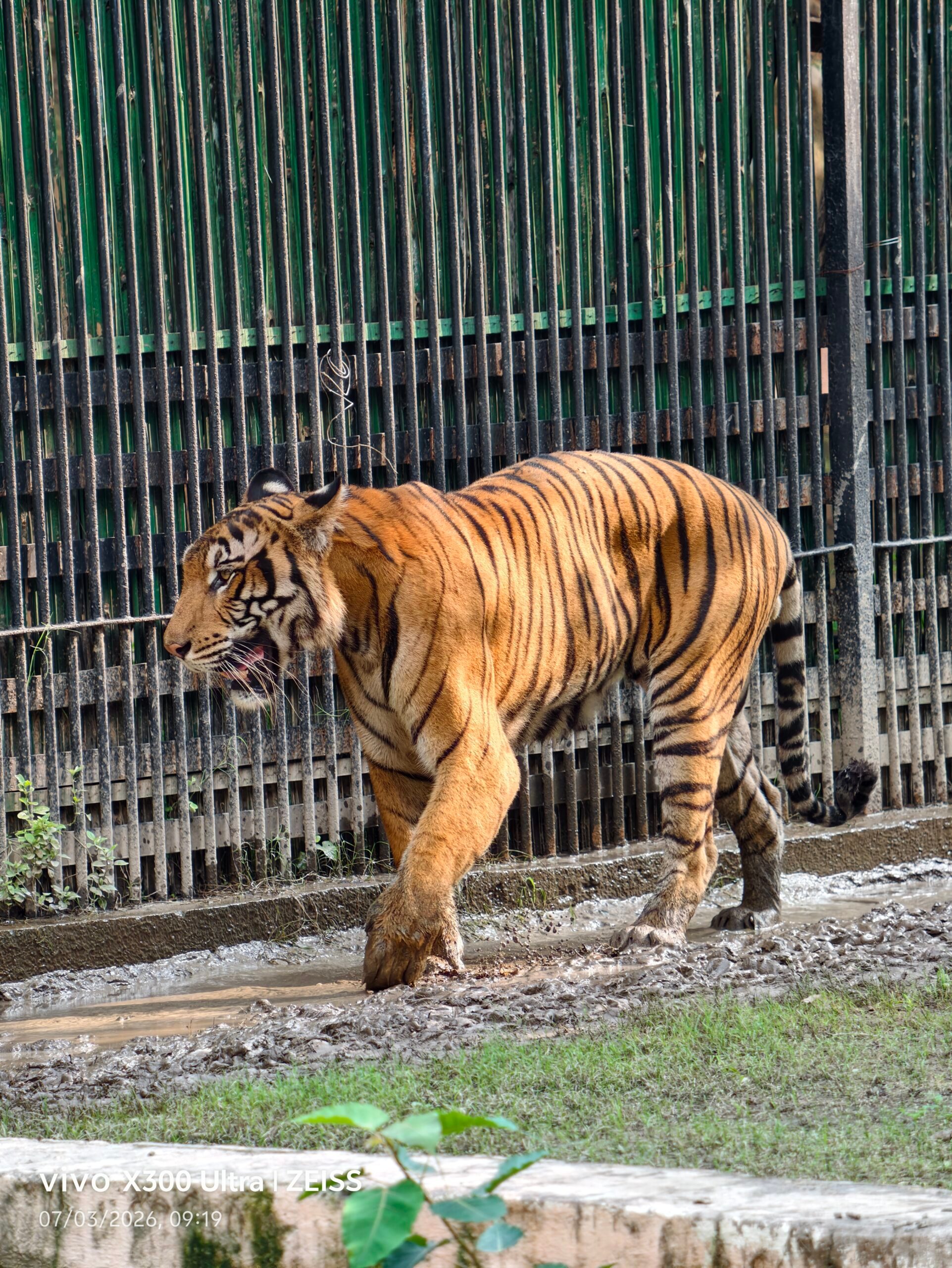
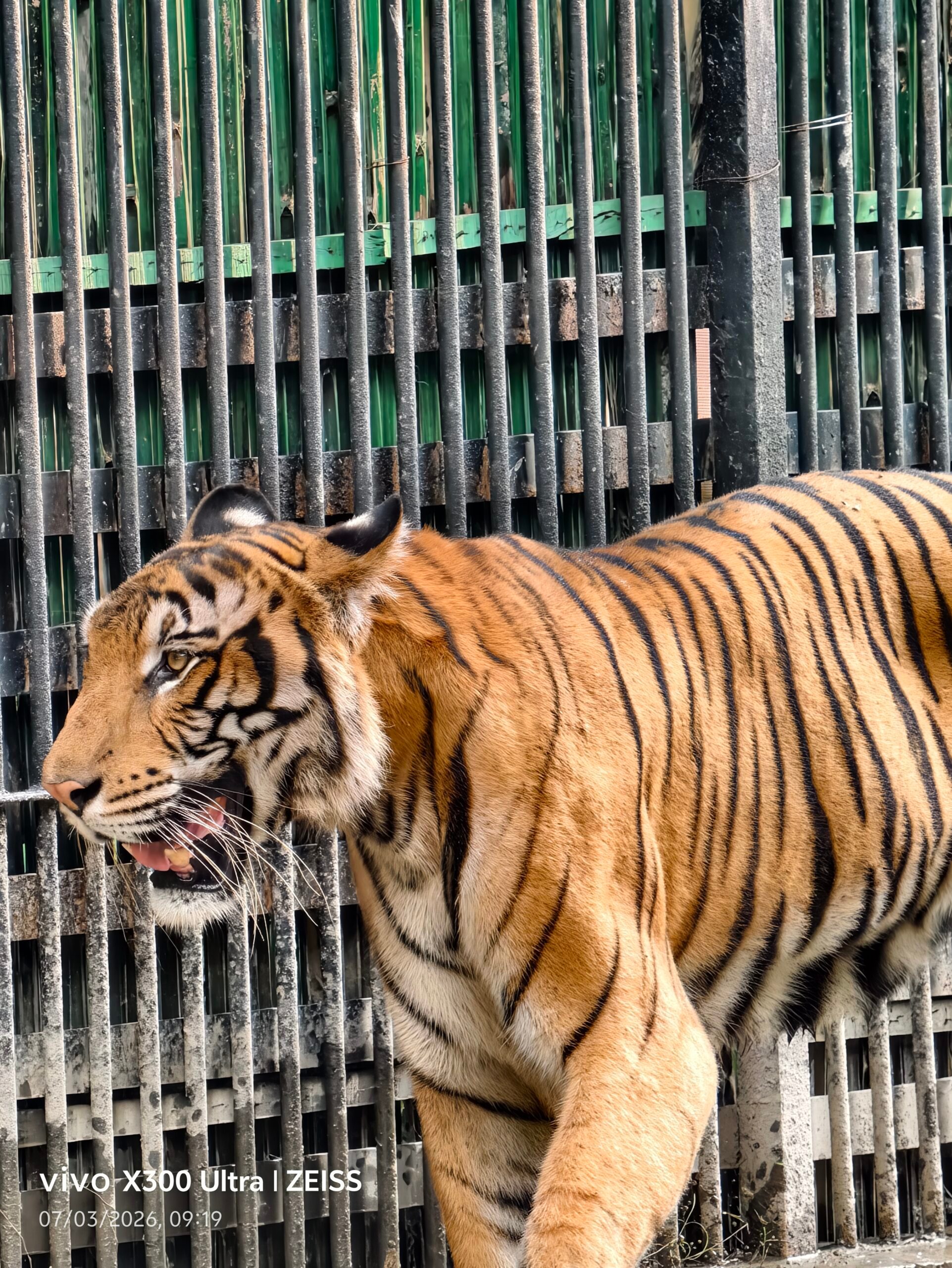
However, the excitement wore off after the first few attempts, when I realized just how much smartphones have trained me to point, play around with the zoom range, shoot, and move on.
First, there’s the minute it takes to remove both lens caps and attach the 400mm teleconverter. I’ve lost count of how many times I thought I had the perfect shot, only to find the moment gone by the time I pointed the X300 Ultra with the external lens toward it (impatient looks from friends aside).
The X300 Ultra I have weighs 237 grams, so it isn’t exactly the lightest phone around. Add the external telephoto extender’s 248 grams and the undisclosed weight of the battery grip and case assembly (around 80 to 100 grams), and you’re looking at roughly 565 grams (1.25 pounds) in total. That’s not exactly easy to maneuver, carry around, or even slip into a bag as is.
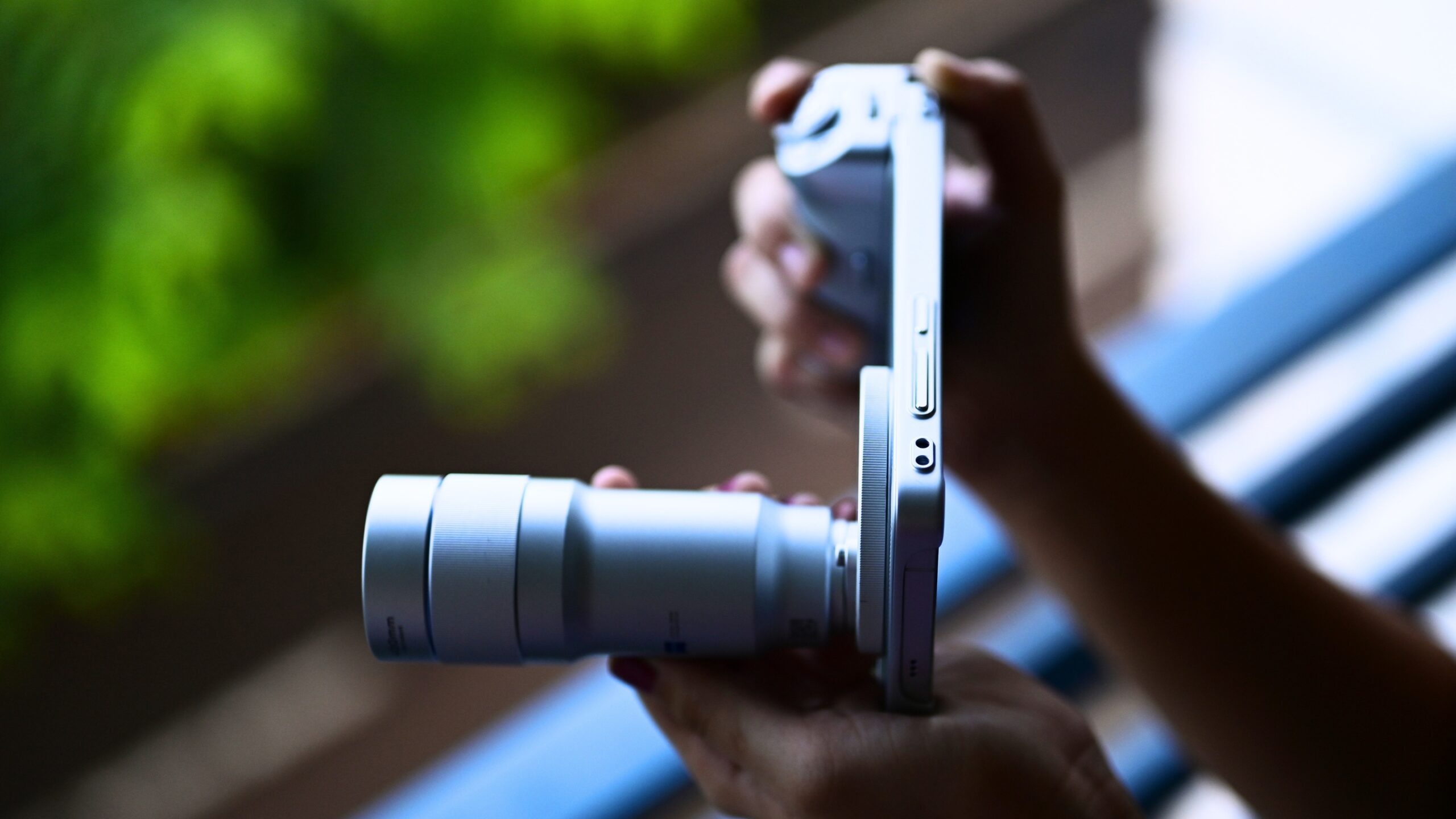
And these are not the only things I’ve observed. Telephoto lenses have a minimum focusing distance, and the 400 mm extender is no exception. Whenever I attach the lens, I have to back up four to five full steps, depending on how far away I am from the subject, before the X300 Ultra locks focus. And even then, it’s mostly not the shot I plan to use the phone for, just a tighter crop of it.
Last but not least, even though the external lens features decent stabilization, handholding at 400mm or higher also demands tripod-like steadiness. You should either have the most stable hands or lean the phone against something stationary like a wall, railing, bench, or your friend’s shoulder, to get the sharpest possible shot.
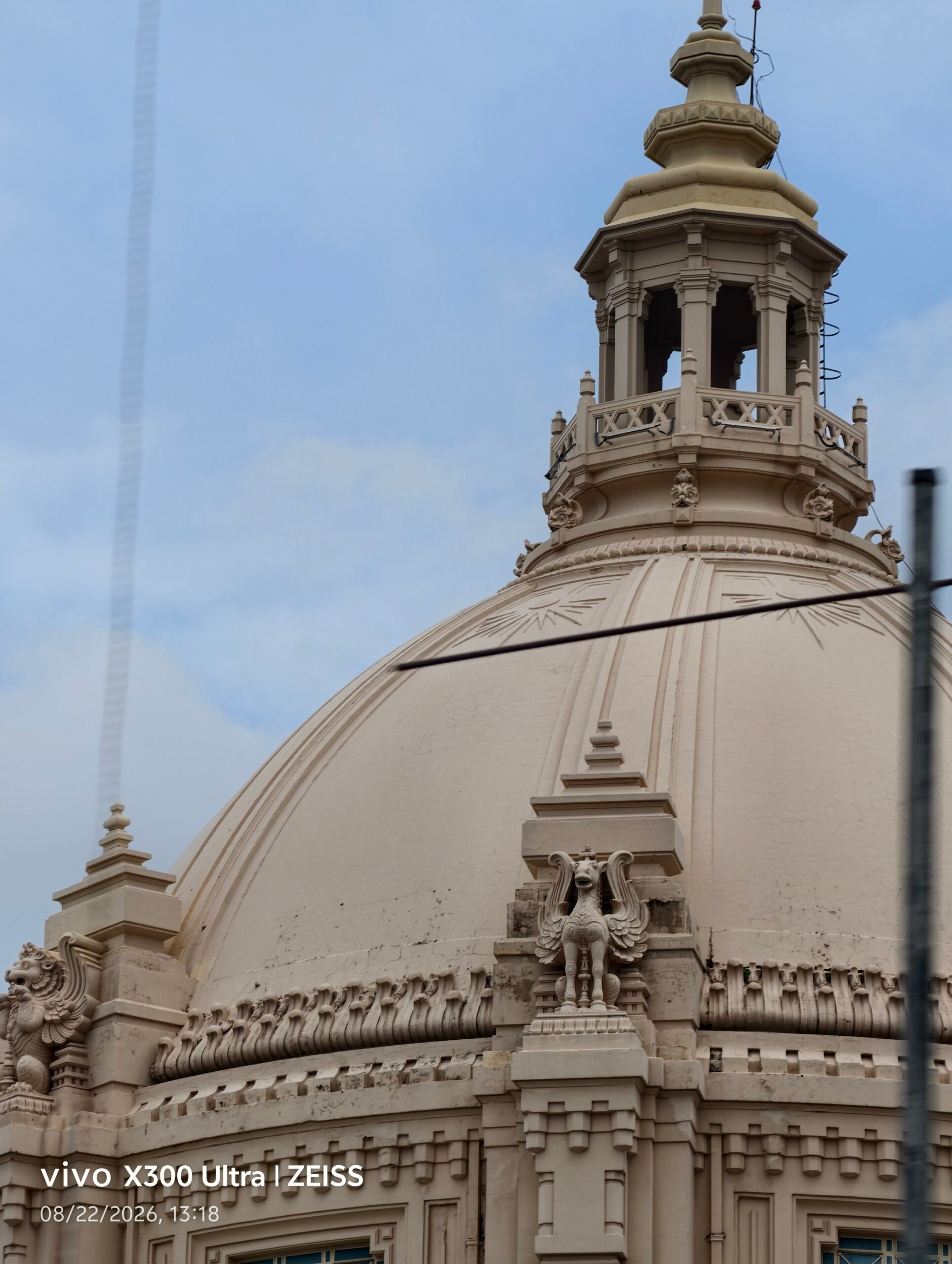
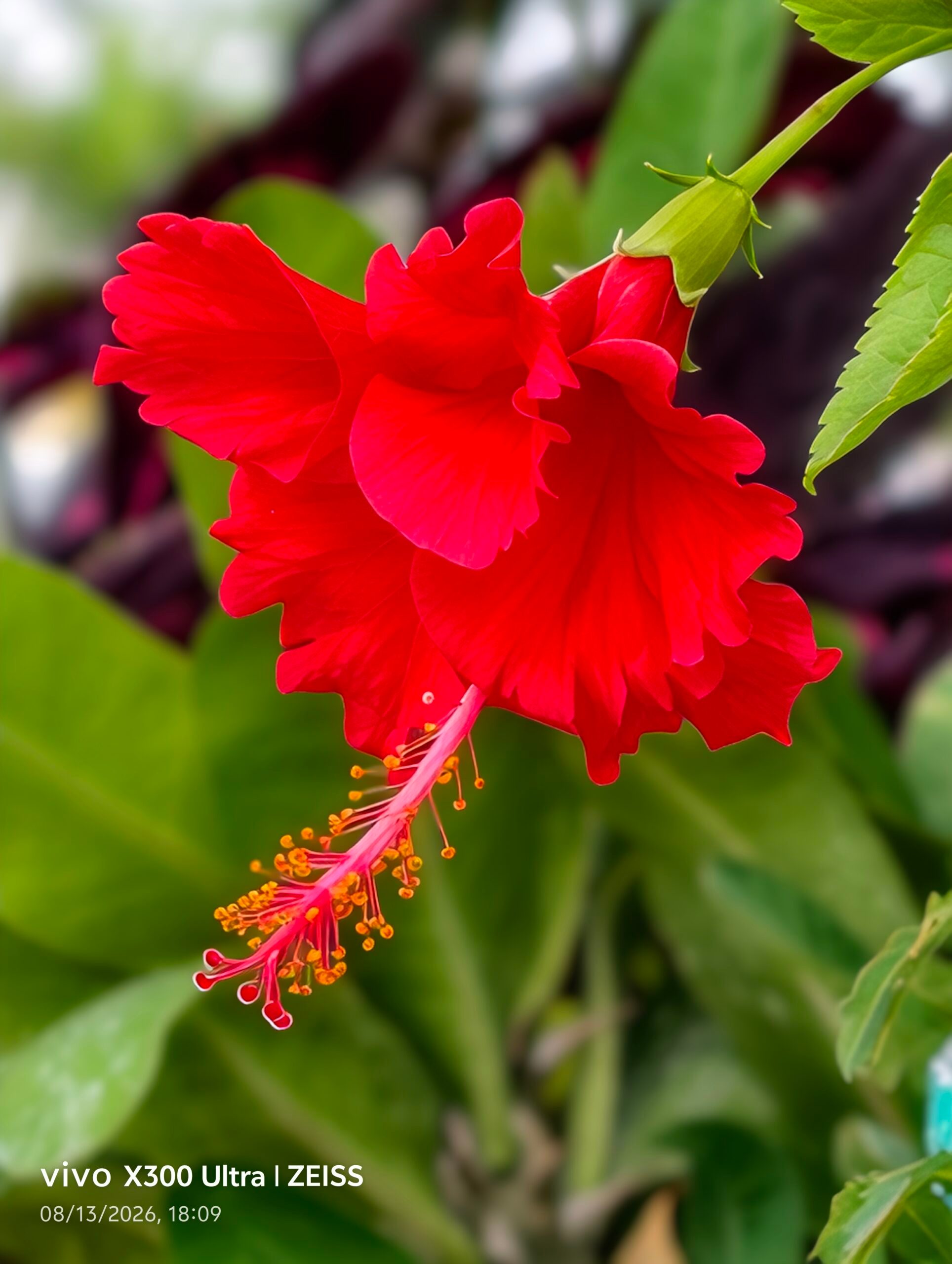
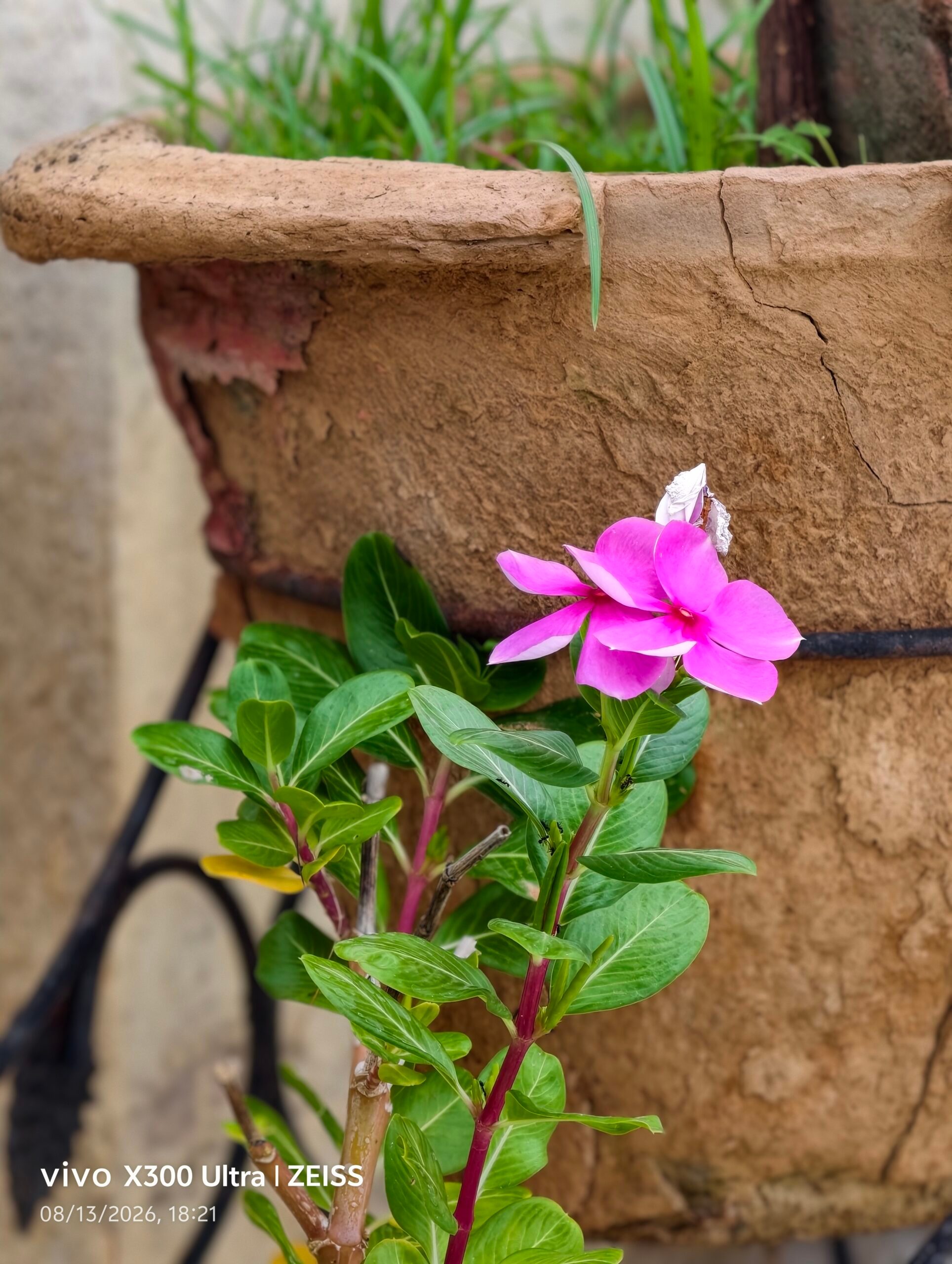
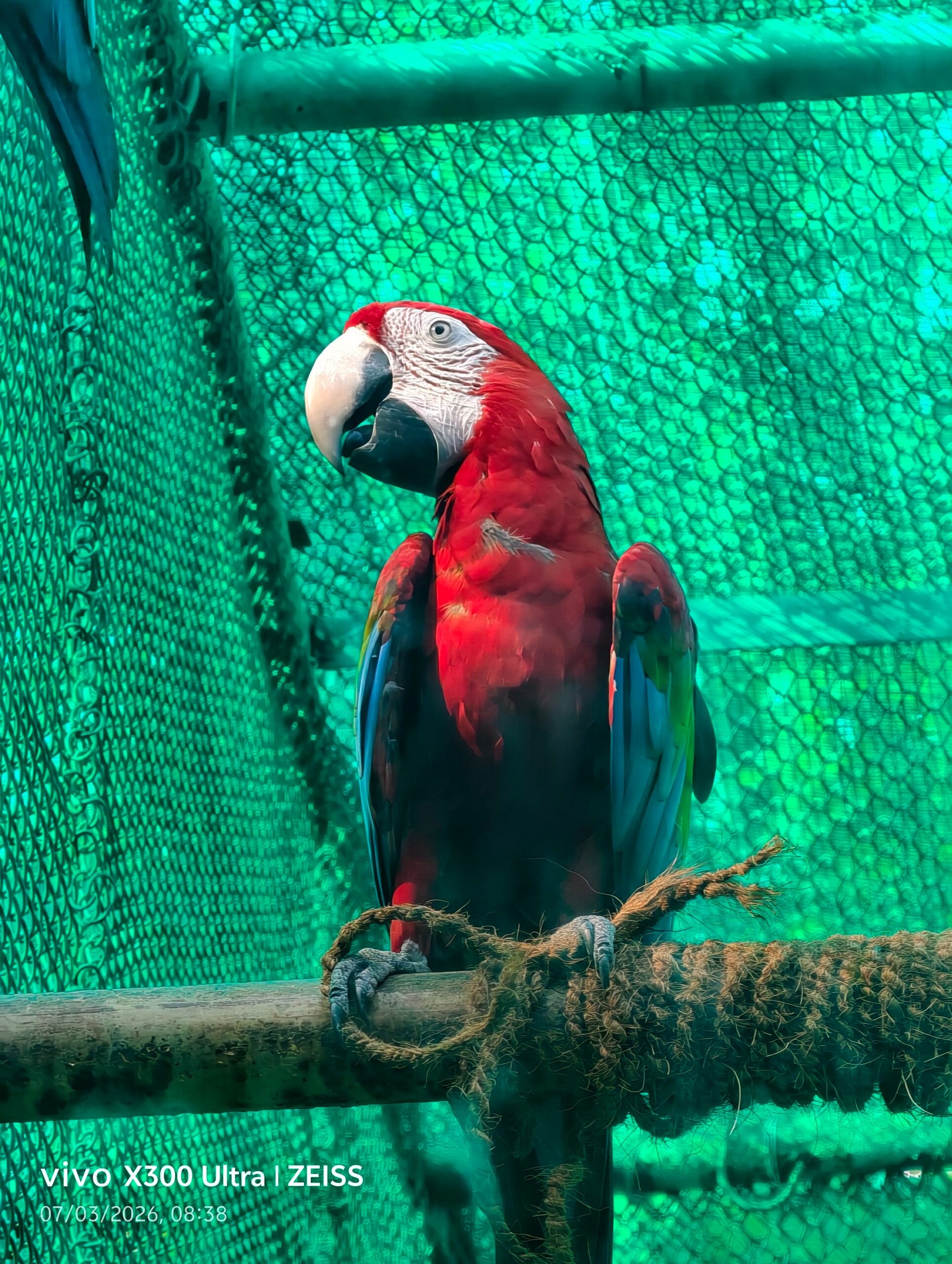
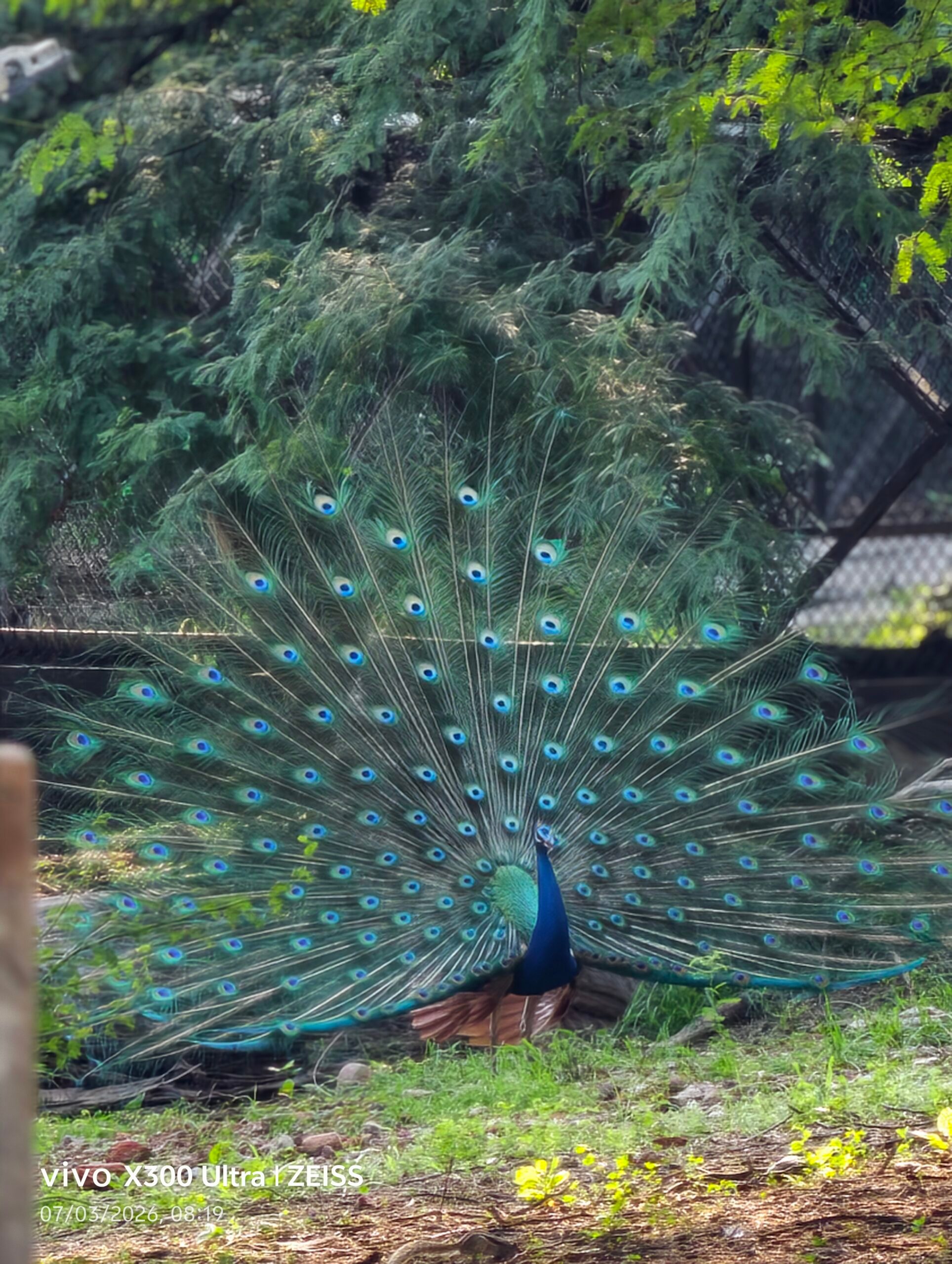
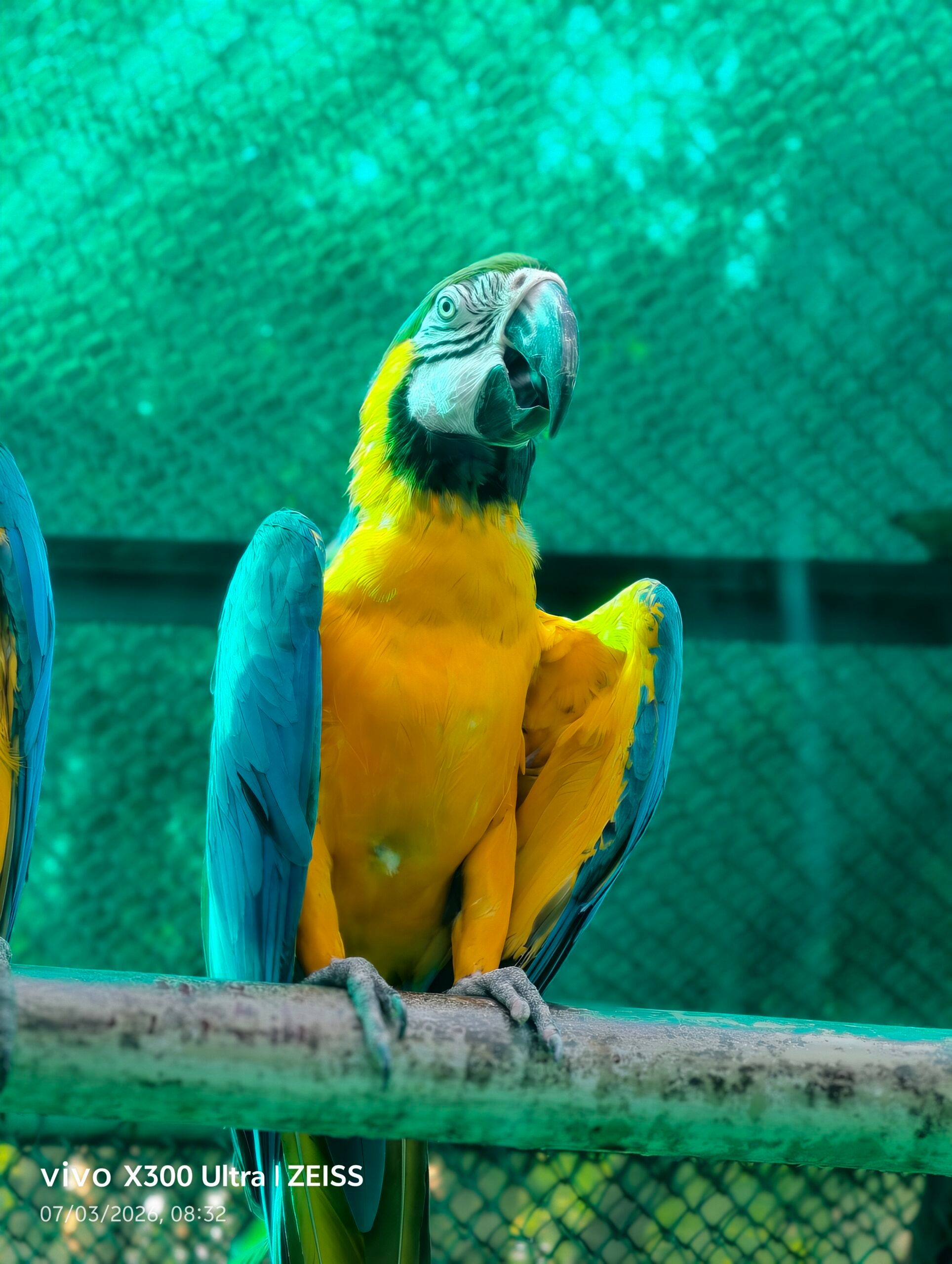
I’d also like to mention that the phone’s native zoom camera captures some really great pictures, some of which I’ve attached below. I never felt the need to attach the extender lens during day-to-day use.


Who’s this actually for?
Finally, there’s the price. I recently wrote a feature about how we aren’t too far away from a real $1,500 flagship in the US market. The X300 Ultra isn’t available in the US, but in India it costs about $1,685. Add in the cost of the telephoto extender kit, and the bundle comes to an equivalent of $2,210.
At this point, I’d take a beginner camera and pair it with a zoom lens instead. It’s designed to be carried with the lens attached; it’s ready to shoot at a moment’s notice, and it still gives me a slight edge in picture quality. So, who is the telephoto extender kit actually for?
Professionals scouting a scene before setting up the camera could use the extender to judge framing and light from a distance; that’s what a professional videographer friend of mine told me. He also mentioned how the extender could come in handy for landscape photography (referring to the architectural shoots he manages).
I could also see wildlife and sports photographers using it when getting physically closer isn’t an option. For everyone else, the phone already is the kit. Vivo built a $1,700 camera phone so good at getting close to subjects that most people don’t need a telephoto kit.