





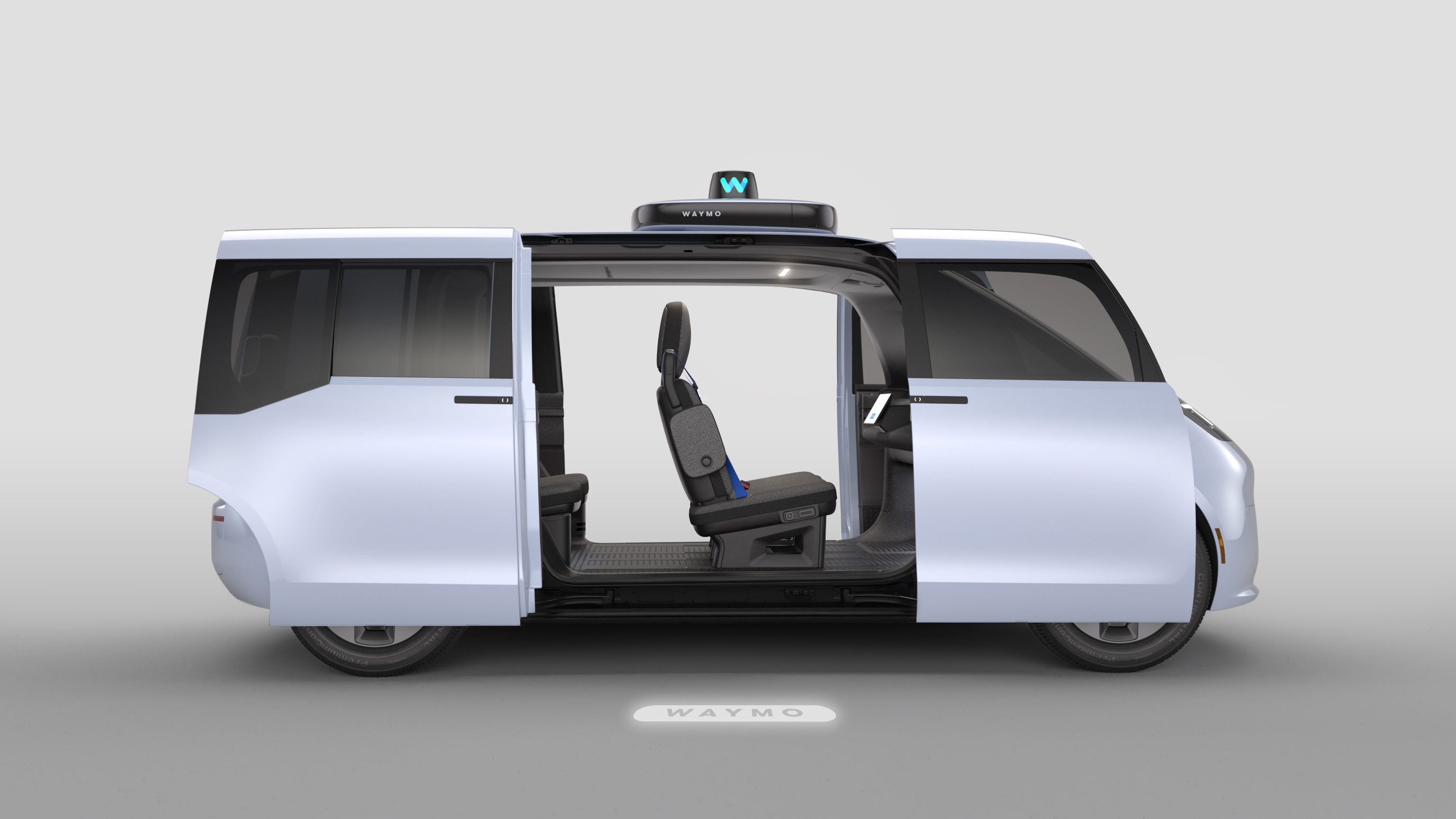
Waymo is giving its robotaxis one of its biggest passenger-facing upgrades yet, bringing Google’s Gemini AI assistant into the cabin alongside a redesigned in-car interface that reimagines how riders interact with autonomous vehicles. Both features will debut in the Ojai, Waymo’s purpose-built robotaxi, as the company prepares to expand access to more public riders. Rather than changing how the vehicle drives, the update focuses on what passengers can do once they’re inside, signalling that the next phase of the robotaxi race may be fought on experience rather than autonomy.
For years, autonomous vehicle companies have competed on sensors, safety records and driverless capabilities. Waymo now appears confident enough in those foundations to shift attention toward the cabin itself, treating the journey as a product rather than simply a trip from one location to another.
Gemini becomes your in-car travel companion
The headline feature is Gemini in Waymo, a conversational AI assistant that riders can activate by tapping a dedicated Gemini icon on the display. Instead of functioning as another driving system, Gemini serves as a voice-controlled companion capable of adjusting cabin settings, answering questions about nearby landmarks, recommending places to visit, or providing journey-related information.
Passengers can ask Gemini to lower the cabin temperature, find a nearby coffee shop, or explain the history of a monument while en route. The experience is powered by Gemini Live, allowing natural conversations instead of relying on predefined voice commands. Importantly, Waymo says Gemini operates completely independently from the Waymo Driver. While riders can ask it to request a pull-over, it cannot steer, navigate or access the vehicle’s real-time driving data. The assistant also remains inactive until a rider explicitly engages it and launches in beta with privacy controls built into the experience.
The feature may not come as a complete surprise. References to a Gemini integration surfaced in app teardowns last year, but this marks the first official rollout inside Waymo’s commercial robotaxi service.
The next robotaxi battle is happening inside the cabin
Waymo has paired Gemini with the first major redesign of its rider interface in years. The new Ojai experience introduces what the company calls a “lean-back” cabin, featuring dynamic trip information, simplified media controls, and an adaptive three-screen layout that changes depending on where passengers are seated. A solo rider in the rear seat, for example, receives full ride controls, while the remaining displays automatically switch to simplified trip information or ambient media. A new Calm Mode further reduces distractions by dimming the interface to only the most essential journey details.

The timing is notable. Waymo already operates one of the world’s largest commercial robotaxi fleets, providing around 500,000 paid rides every week across more than 11 cities. As autonomous driving technology becomes increasingly mature, expanding coverage alone is unlikely to remain a competitive advantage. The quality of the passenger experience is becoming just as important.
That shift also creates an interesting contrast with Tesla. While Tesla continues to focus on scaling its Robotaxi ambitions, Waymo is already investing in how riders spend their time once the vehicle is driving itself. The company’s latest update suggests the future of autonomous mobility won’t be defined solely by who builds the safest driverless car, but by who creates the most compelling place to spend the journey.