![[Update] Googlebook finally gets a launch date, and it’s sooner than you would expect](https://www.digitaltrends.com/tachyon/2026/08/GoogleBook-Featured-Image-Official.jpg?resize=1200%2C630 "[Update] Googlebook finally gets a launch date, and it’s sooner than you would expect")






Immigration and Customs Enforcement has banned employees from wearing Meta smart glasses in federal workplaces over concerns that they could capture sensitive information and undermine privacy or legal protections, according to The New York Times. The rule applies to everyone at ICE, not only agents working in the field.
ICE is effectively treating personally owned smart glasses like unauthorized body cameras. That fits its existing policy restricting recordings made by personnel while performing official duties.
There’s an awkward bit of timing here. The Department of Homeland Security (DHS) fiscal 2027 budget includes funding for an operational smart-glasses prototype designed to support biometric identification during immigration enforcement. The glasses are part of a broader $7.5 million request for new technologies and analytics tools supporting ICE and U.S. Customs and Border Protection (CBP).
Why ICE wants them off the job
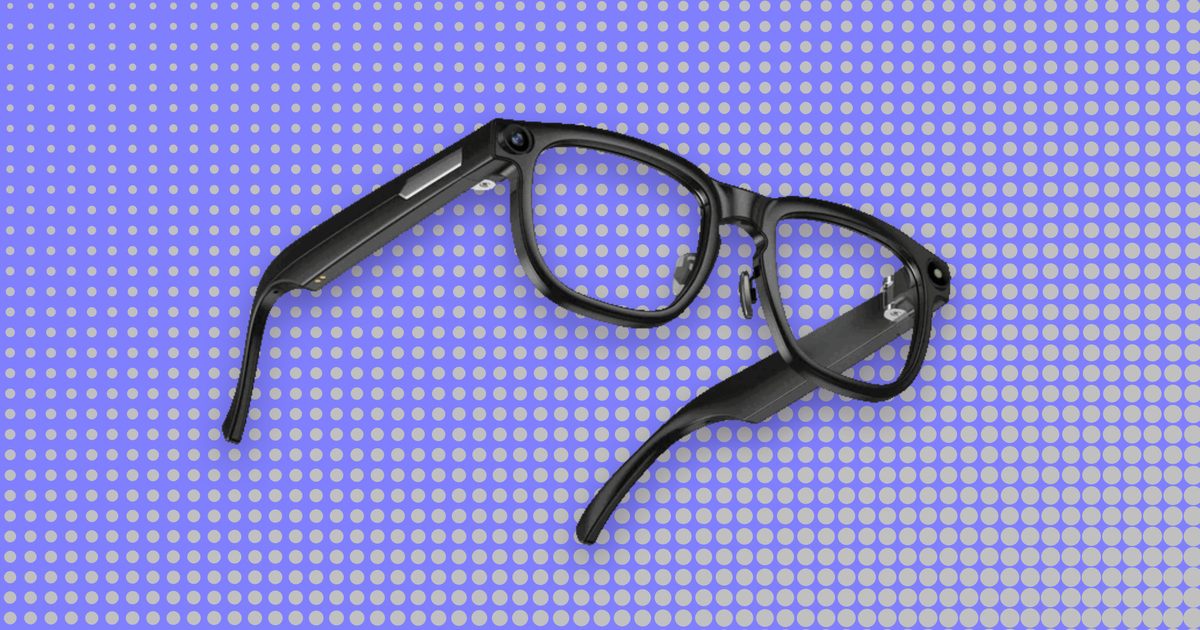
Meta’s glasses can record video and audio using a camera built into the frame, with a blinking white light indicating when recording is active. Newer versions also include Meta AI, while some models add a small display visible to the wearer.
That’s a difficult combination inside a workplace handling sensitive information. ICE says the glasses could unintentionally capture or transmit material employees aren’t authorized to record.
Other institutions have already reached similar conclusions as privacy concerns around smart glasses grow. New York banned Meta smart glasses in state court buildings over concerns about covert recording, while some private businesses have prohibited them too.
Why DHS still wants smart glasses
DHS is interested in a version it can control. Its fiscal 2027 budget includes smart-glasses prototypes intended to give immigration enforcement personnel real-time information and biometric identification capabilities in the field.
The distinction is fairly clear from a policy standpoint. ICE is blocking personally owned consumer hardware capable of recording on the job, while DHS is exploring equipment built specifically for enforcement.
That still leaves Meta and other smart-glasses makers with an uncomfortable problem. The closer these products get to ordinary eyewear, the harder it becomes for everyone else to treat them like ordinary glasses.

What this says about smart glasses
For ICE employees, Meta’s glasses are now off-limits in federal workplaces regardless of whether someone actually intends to use the camera.
That boundary could become more important as cameras disappear into products designed to look increasingly like normal glasses. Something sold as everyday consumer tech can become restricted recording equipment the moment it crosses into a courtroom, office, or other sensitive space.
ICE has now drawn that line clearly. Meta may have a much bigger challenge if more workplaces decide to draw it in exactly the same place.