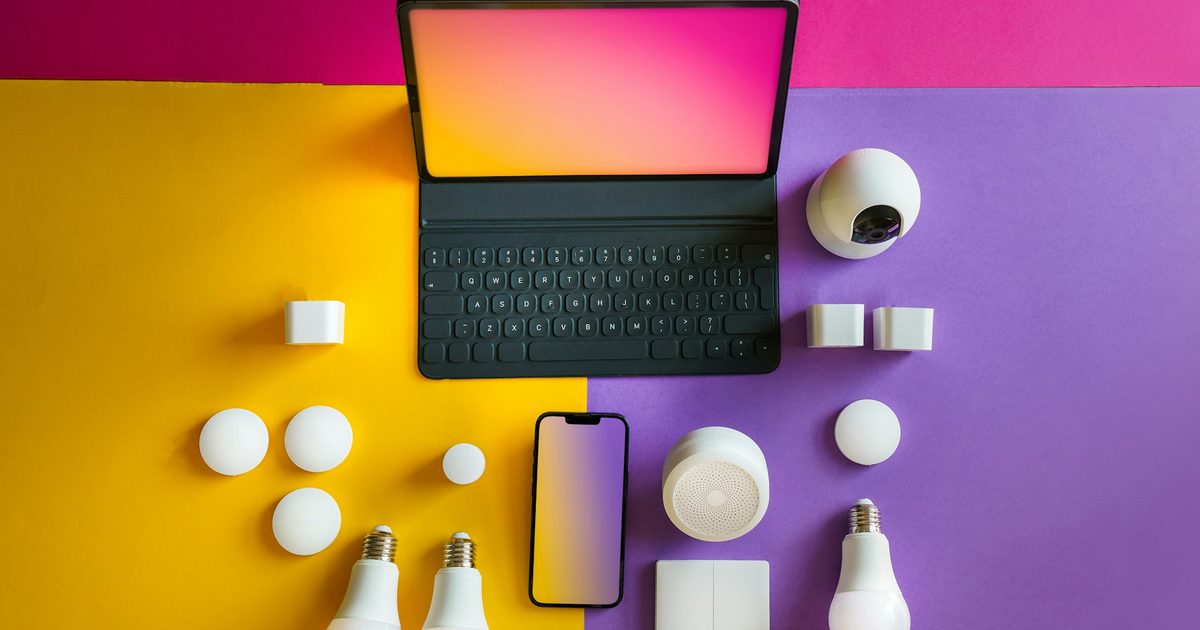




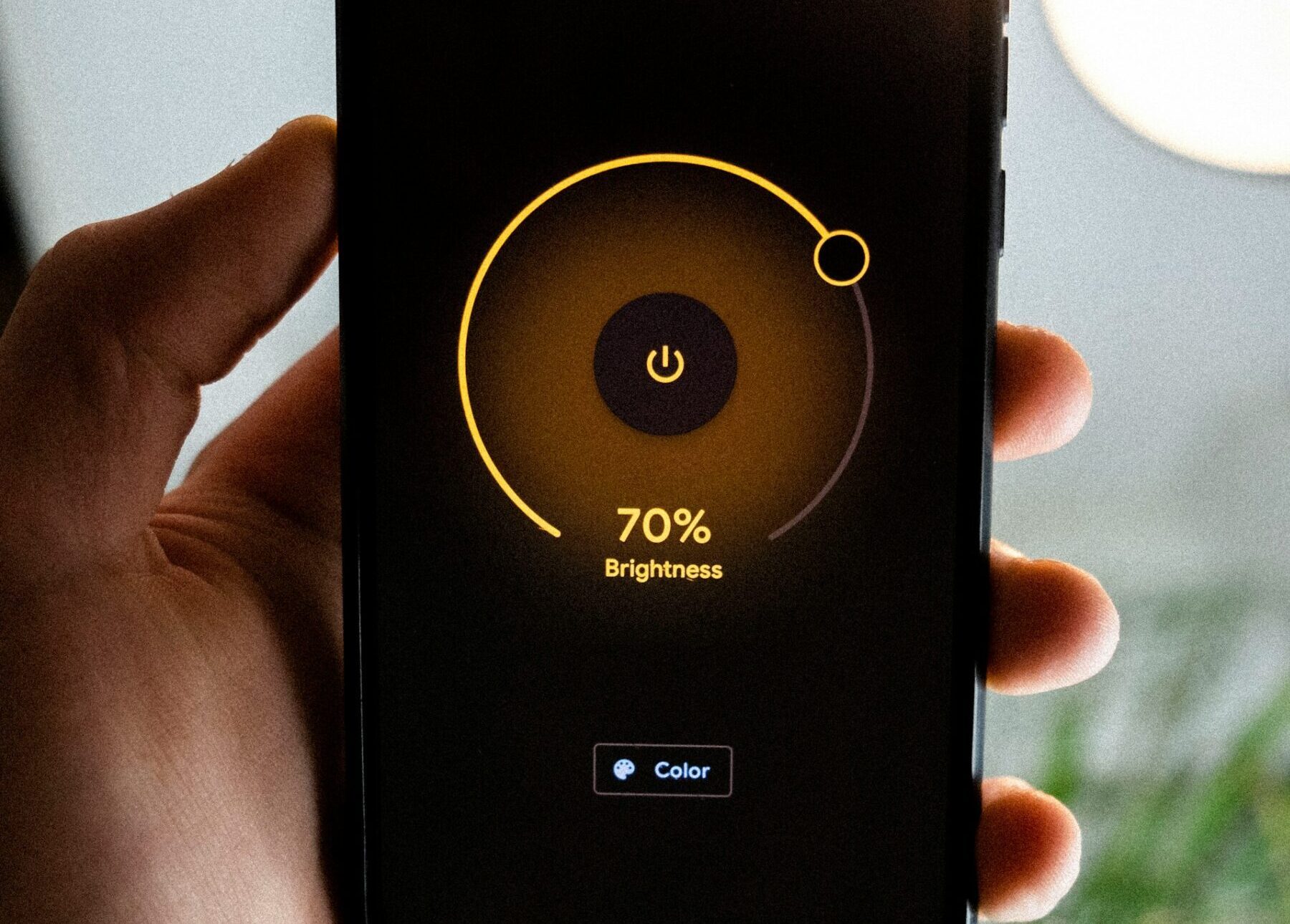
The first device I added to my smart home was a light bulb. It seemed like the safest possible place to start. I could turn it on from anywhere, put it on a schedule, and eventually work it into routines with everything else.
Then I tapped the button in the app and waited. The delay was only about half a second, but half a second is surprisingly noticeable when the alternative is a wall switch that responds immediately and has never once asked for a firmware update. Using my phone was worse. I had to unlock it, find the app, open the right room, and tap the light I could have switched on several steps earlier.
Those early bulbs were temperamental, and the software clearly still had some growing up to do. A few generations later, they’re much better. They disconnect less often, respond faster, and mostly behave like finished products.
That should have made me want more of them. Instead, it made me wonder how much further I actually wanted to take the whole experiment.
Remote control isn’t always automation
Some smart-home devices earn their place almost immediately.
A motion sensor that turns on a hallway light before I touch anything removes an interaction altogether. A leak sensor can warn me about water under the sink before the cabinet becomes the thing telling me there’s a problem. Those feel like actual automation because something useful happens without demanding anything from me first.
A smart bulb I have to control through my phone feels different. I haven’t really automated the light. I’ve sometimes just moved the switch somewhere less convenient.
That distinction has become harder to ignore as I’ve added more devices. Plenty of things around my house could become smarter, but far fewer would actually become easier to live with.
Eventually, I stopped looking at every button, switch, and appliance as unfinished business.
That’s the rule I’m keeping now. A new smart device has to solve an actual recurring annoyance before I add it. Being controllable from my phone isn’t enough, and neither is the promise of another elaborate routine I’ll forget exists a few weeks later.
Eventually, the house needs an administrator
The other cost only becomes obvious once enough devices pile up.
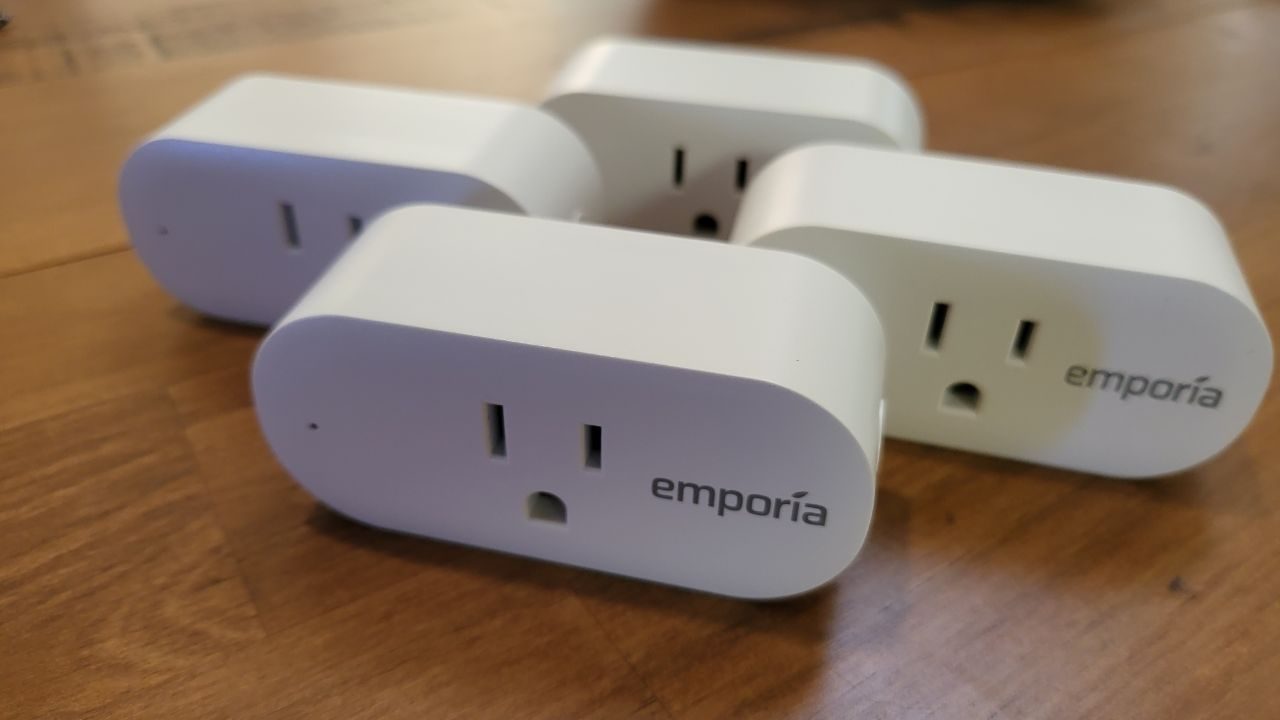
My smart plugs work exactly as intended, but they’re also permanently sitting between an appliance and the wall. Somewhere in the back of my head, there’s always a tiny, probably irrational thought about whether today is the day one decides to become an expensive smoke machine. The plug gives me more control, but apparently my brain found another problem to replace the old one.
My video doorbell is genuinely useful. I can see who’s outside when I’m not home, which is something a normal doorbell obviously can’t do. It’s also another device with a battery percentage I’m expected to remember.

Then my Wi-Fi goes down, and the whole setup gets much less impressive.
Most of the connected devices I own suddenly become harder or impossible to control the way I normally do. The regular switches keep doing their jobs without noticing that the network is having a bad afternoon. Meanwhile, some of the gadgets I bought to make the house easier to manage start asking for attention.
The bigger dependency is harder to blame on the router.
I’m the one who set everything up. The devices are connected to my phone, and I know which app controls what. I know how the routines fit together, how each device was paired, and what sequence of increasingly irritated taps usually gets something working again.
Everyone else in the house mostly wants the house to behave like a house.
They shouldn’t have to remember that one particular switch needs to stay on because the bulb behind it is smart. They shouldn’t need to know which app controls a plug or why a routine suddenly stopped firing. A guest definitely shouldn’t need onboarding before turning on a lamp.
If I’m away and something needs to be reconfigured, the smart home’s documentation is basically the person who isn’t there. That’s a strange outcome for technology that was supposed to make ordinary household tasks easier.
Better technology can’t decide what’s worth automating
Smart-home technology is still improving. Matter, the interoperability standard backed by much of the industry, is trying to remove more of the setup and ecosystem headaches that made early smart homes such a chore. Its latest 1.6 specification includes easier device setup and better ways to share devices across multiple smart-home ecosystems, although those improvements will arrive at different times depending on the platform and manufacturer.
I want that progress. I’m also less convinced that easier setup automatically means I need more things connected.
Once compatibility becomes less of a headache, the harder question is what all that connectivity is actually buying me.

For me, the answer increasingly comes down to whether the technology removes an interaction rather than just replacing one. If something takes care of a recurring chore, catches a problem I might otherwise miss, or quietly makes the house easier to live in, I’m interested.
If its biggest achievement is moving a perfectly good button onto my phone, I’m harder to convince.
I doubt I’ve bought my last smart-home gadget. The next one might still earn a place. It just has to make a better case than being smart.