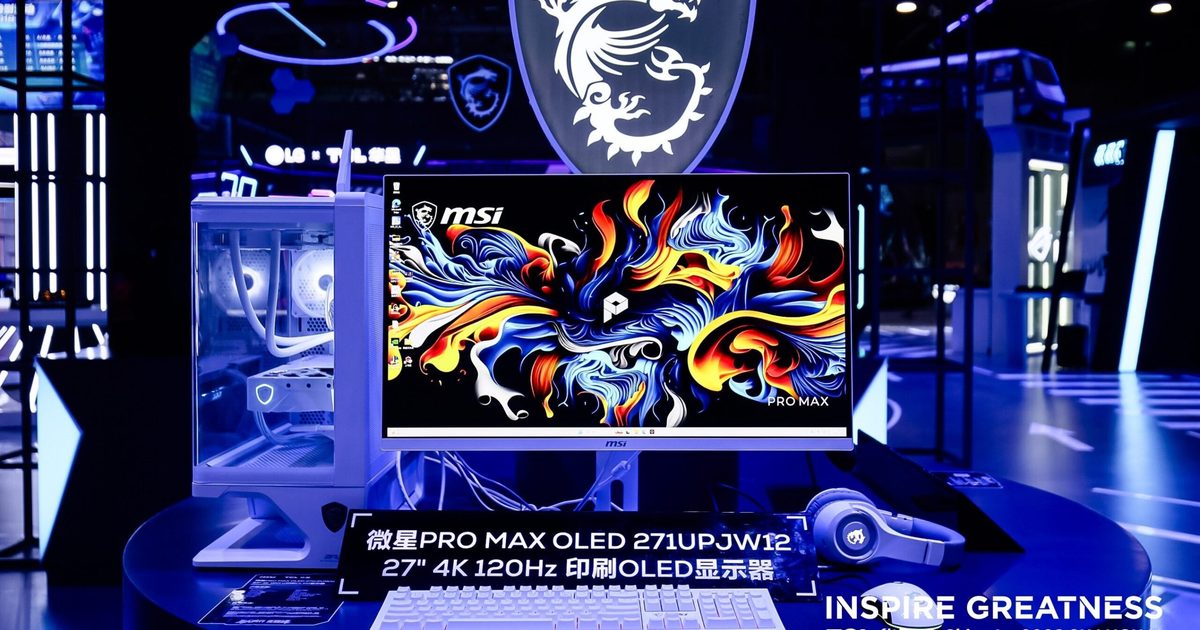




The future of OLED monitors may have just taken a significant step forward. MSI and TCL CSOT have unveiled the world’s first 27-inch 4K 120Hz desktop monitor built using inkjet-printed OLED technology, bringing a manufacturing method once limited to prototypes and specialist displays closer to everyday buyers.
Called the MSI Pro Max OLED 271UPJW12, the monitor uses a TCL CSOT panel created by printing organic light-emitting material directly onto the display. The process wastes less material than conventional OLED manufacturing and could eventually make panels cheaper and easier to produce at scale.
Why inkjet printing could make a difference
Traditional OLED panels are manufactured using expensive vacuum equipment and highly precise metal masks. Inkjet printing deposits the organic material in controlled patterns, much like a printer placing ink onto paper.
TCL has spent years showing prototypes based on the technology, but commercial products are now starting to appear. Lenovo recently revealed the first laptop equipped with a 240Hz inkjet-printed OLED display, while reports indicate that TCL CSOT has started low-volume production of 27-inch 4K panels.
Earlier estimates suggested the process could reduce total production costs by around 20%. Whether those savings reach buyers will depend on manufacturing yields, production scale, demand, and how manufacturers position the first wave of products.
This is more than a manufacturing experiment
MSI’s monitor has a 3840 x 2160 resolution, a 120Hz refresh rate, and a vertical RGB stripe pixel layout. The familiar subpixel arrangement should produce sharper text and reduce the colored edges that can appear around letters on some OLED monitors.
It also reaches a claimed 1,000 nits of peak HDR brightness, covers 99% of the DCI-P3 color space, and carries VESA DisplayHDR True Black 500 certification. The 27-inch screen delivers a pixel density of 164 pixels per inch.
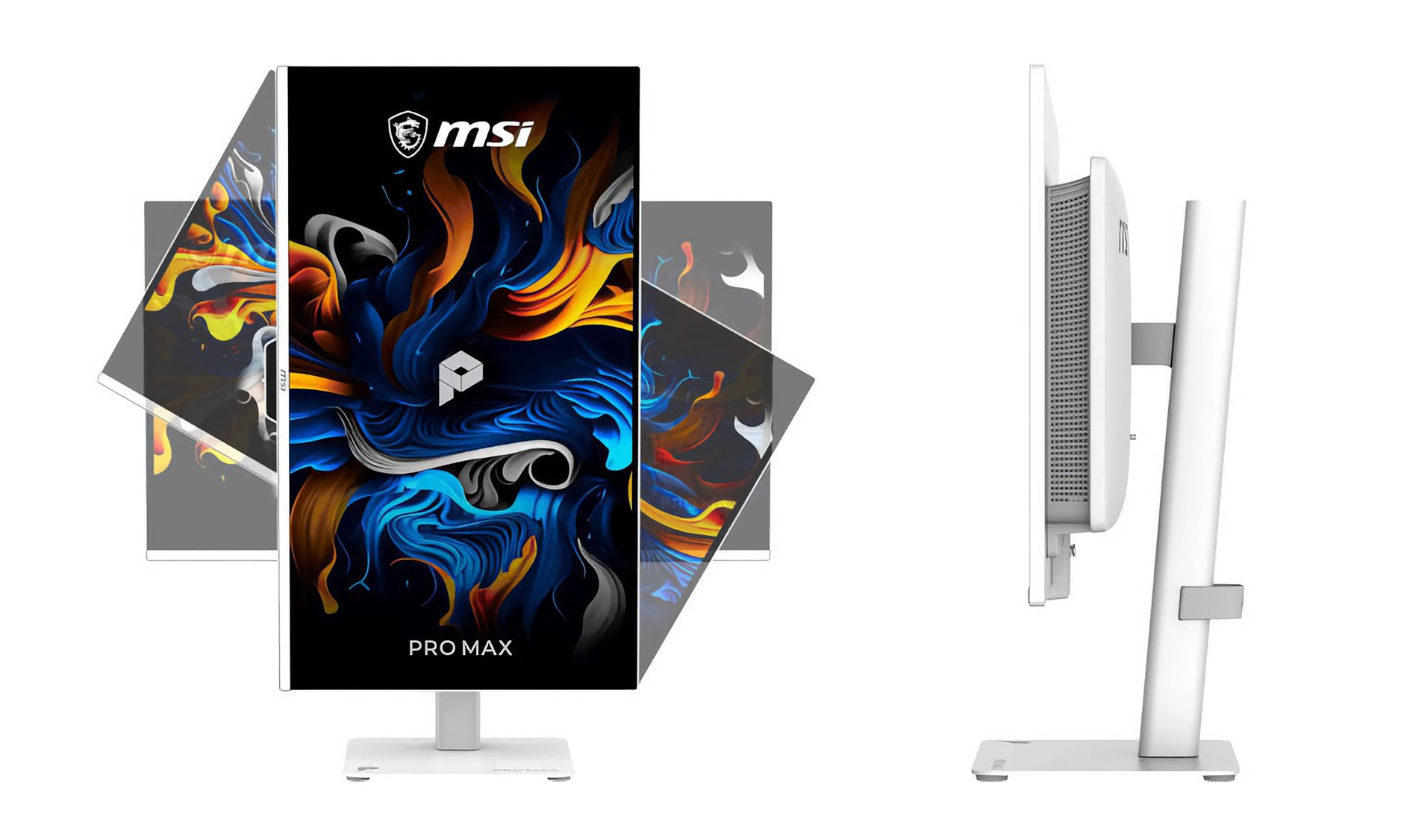
MSI has also introduced an OLED protection system that runs panel compensation in the background without interrupting users. Other features include a KVM switch, picture-in-picture and picture-by-picture modes, USB-C with 15W charging, and a fully adjustable stand.
Pricing and availability remain unknown. The first models may still be expensive, and lower manufacturing costs do not guarantee lower retail prices. However, wider production could eventually make high-quality OLED monitors easier to manufacture and more affordable to buy.


-Wireless-Earbuds.jpg "Review: Nothing Ear (3a) Wireless Earbuds")