


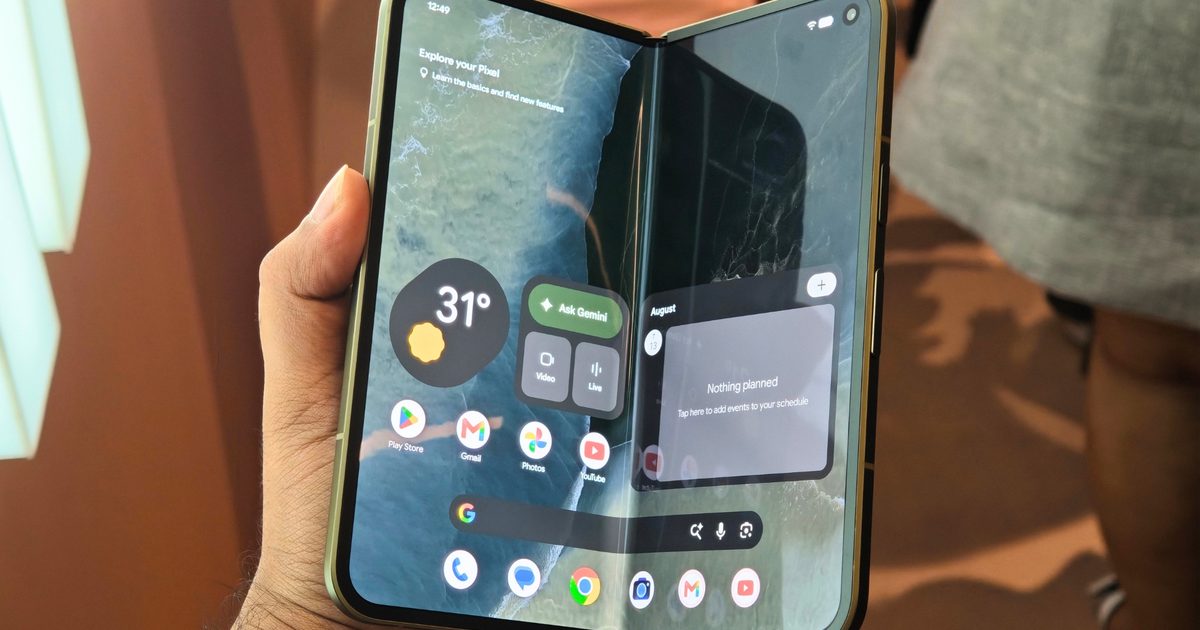




Google has a new foldable ready to hit the shelves, and it’s quite a compelling package with some alarms going off. I spent some time with the phone earlier today, and after collecting my thoughts, I can’t quite figure out whether I should be excited about it or disregard it in favor of rivals like the Samsung Galaxy Z Fold 8 pair.
The conundrum is warranted. It’s a $1,899 phone after all, and that’s the base price. But based on my limited time with the phone, it comes out as an overwhelmingly more practical device, especially for buyers based in the US. But let’s set aside the comparisons for the latter part of the debate.
Google finally trimmed down its foldable
The Pixel 11 Pro Fold has plenty going in its favor, especially when you look at the upgrades it brings to the table. It’s thinner (76 mm folded and 150.4 mm unfolded vs 76.3 mm folded and 150.4 mm unfolded) and lighter (239 vs 258 grams). The difference may not seem like much, but when you hold the device, the difference is instantly felt.
I’ve used the Pixel 10 Pro Fold for a healthy few months, and it gave me plenty of issues with the weight and heft. The hurt was particularly noticeable after driving sleek foldables such as the Honor Magic V6 and Samsung Galaxy Z Fold 7. The moment I held the Pixel 11 Pro in my hand, I instantly felt the difference.
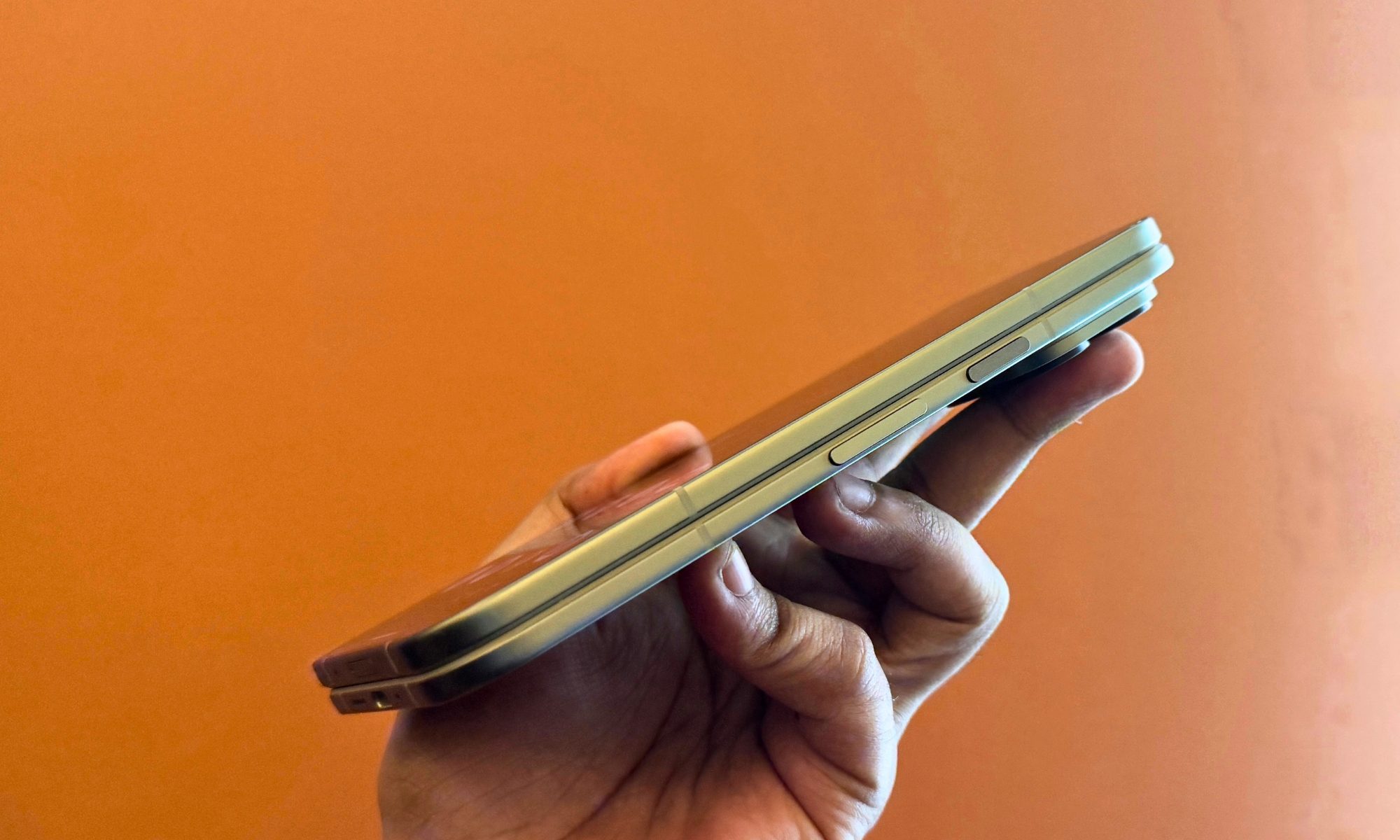
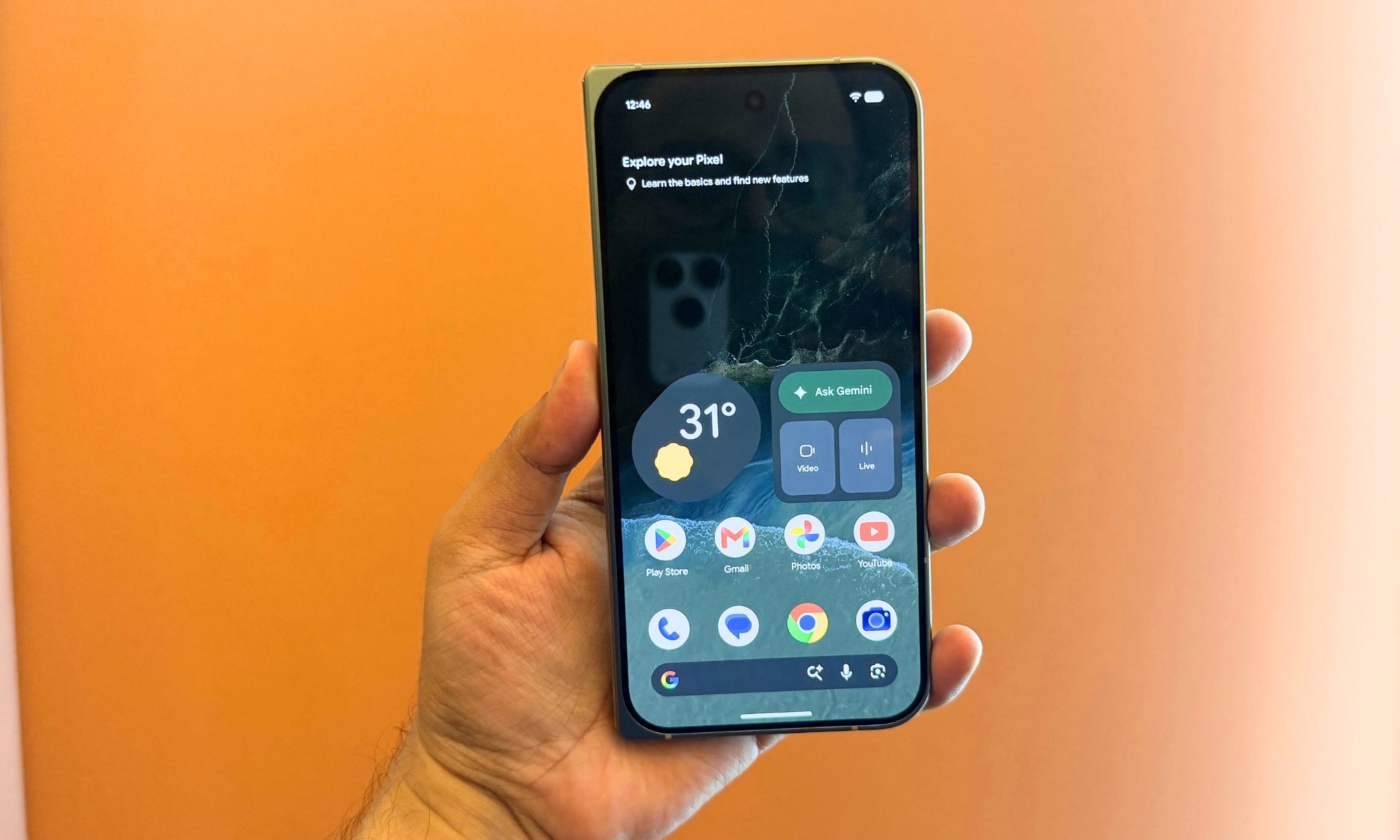
Beyond the numbers, however, it just feels more refined, and that slimmer profile enables a noticeably more comfortable one-handed usage like a regular slab phone. Google didn’t change much with the screen real estate, but there are a couple of practical changes that buyers will appreciate.
Tougher where it actually counts
The peak brightness has climbed by 20% and now reaches 3,600 nits across both screens. Additionally, the cover display is now protected by a layer of ceramic glass. Over at the back, there’s a glass fiber composite, which Google says is nearly impossible to break.
The hinge gets a new gearless mechanism to keep the flexible panel protected. Overall, what we have a device that is touted to be 3x stronger. I would even take a 2x lift in durability, to be fair. You see, in the context of foldables, every added bit of strength is welcome, more so than an average slab phone.
That’s because foldable phones continue to be notoriously fragile, despite all the claims of enhanced endurance year after year. Plus, fixing them is not only more complicated, but also a lot more pricey. If you manage to break some moving parts within the hinge assembly, it needs a full display kit replacement.
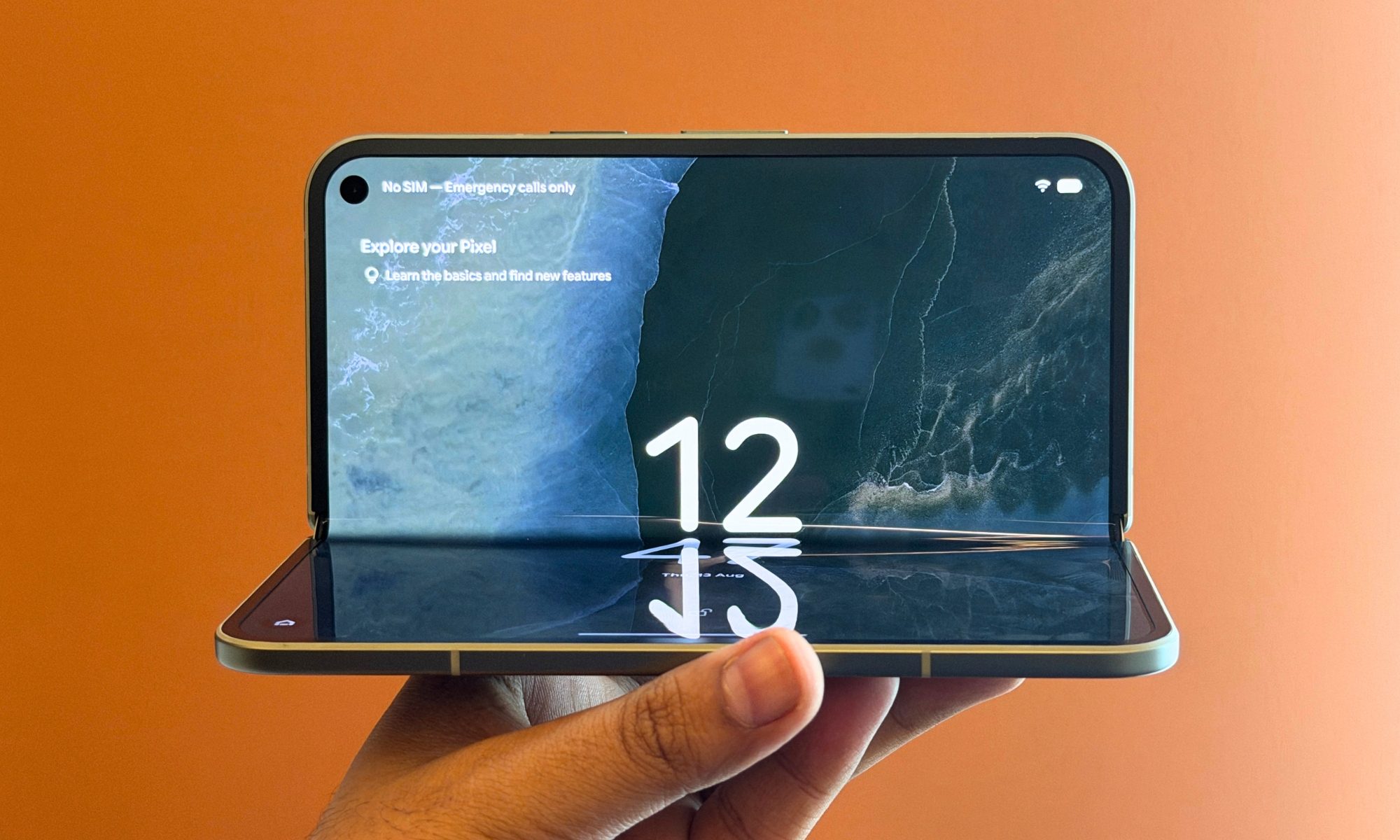
I am inclined to believe what Google is claiming for the Pixel 11 Pro Fold’s 3x enhanced endurance, despite plenty of skepticism over the years. But I am happy that the company paid as much attention to a direly needed practical upgrade as it did to speeding up the innards on its latest foldable.
Talking about repairs, Google made another promise at its launch event that caught my attention. The company will keep spare parts in stock for up to seven years, matching what it has to offer for the longevity of software update support. That’s a meaningful promise, and should come as a huge sigh of relief for anyone who intends to use their phone for a healthy few years.
The IP68-tier dust and water resistance, one of the best that the industry has to offer, is here to stay. For comparison, Samsung’s Galaxy Z Fold 8 Ultra is still stuck at IP48-level protection, while the stunning Oppo Find N6 is still stuck at IP59-class resistance against the elements. In the context of foldables, Google has made a notable leap.
HiLight adds a little personality, but the camera plays it too safe
The color-coded HiLight LED at the back adds a touch of practical flair to the device. It’s somewhat funny that Google wants you to use your phone less (after being distracted by a barrage of notifications), and the solution to it is an LED that lights up in a specific color to let you know if it’s an important call or not.
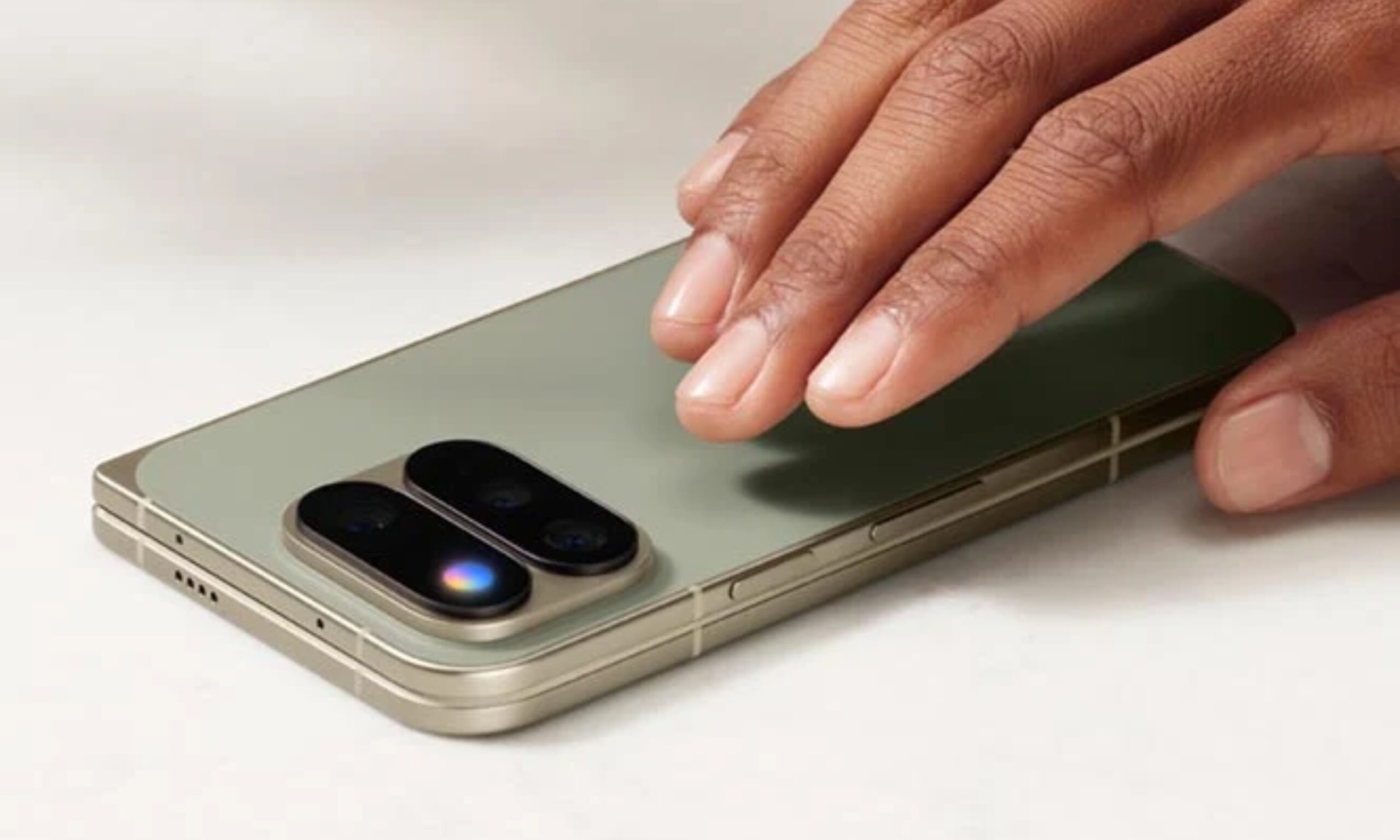
Not much has changed in the camera department, and that’s a bummer, especially for a brand like a Pixel, which touts imaging chops as one of its key selling points. There are some interesting new camera tricks, though.
The Super Zoom output has been boosted to 30x, and we also get Camera Looks, which I’m pretty excited to try out.
Action Pan and Creator Suite are pretty exciting, and as someone who regularly shoots product and instructional videos, I am happy to see these new features. The faster Tensor G6 silicon should make the device feel snappier, and I love the faster wireless charging convenience, as well.
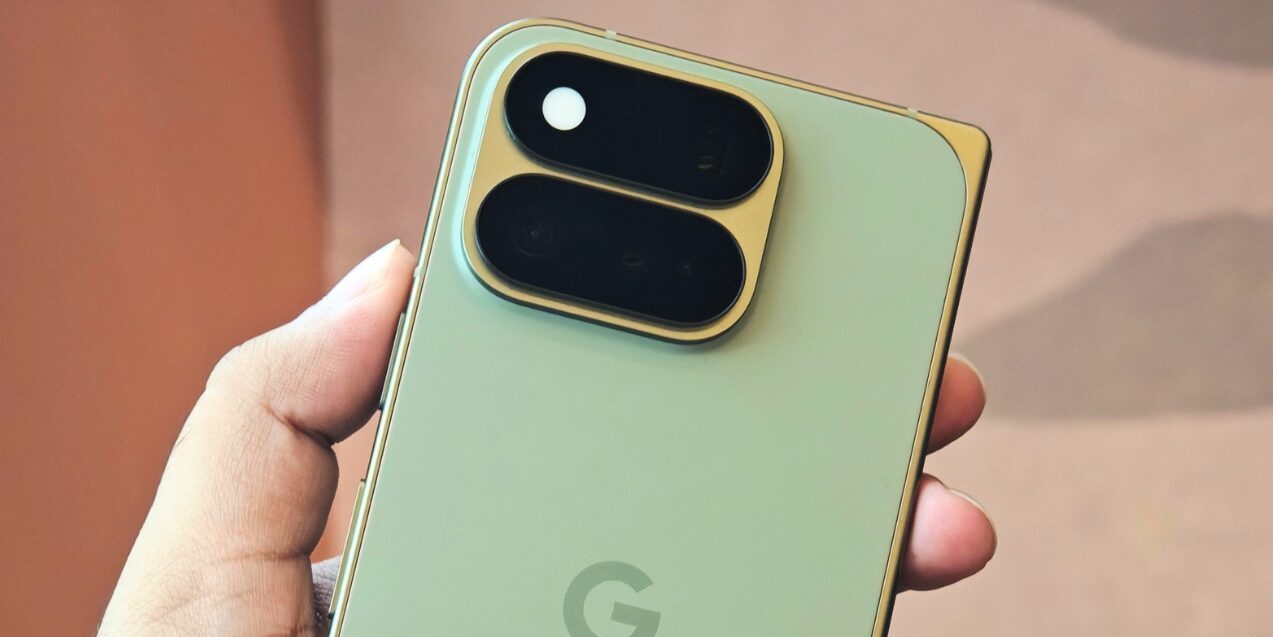
Oh, and did I mention that the new Olive color option looks stunning? Yeah, that too.
Google made the right compromises… mostly
But not everything is all that great. The battery is a bit smaller. And the absence of hardware-level camera upgrades, despite the higher price tag, is going to pinch a lot of buyers. A few of my fellow tech journos told me that the Pixel 11 Pro Fold is “meh” or even a “letdown,” but I don’t quite feel the same way. The changes are subtle, but the focus on practical conveniences (for a foldable form factor) is what stood out for me.
I will soon have the device in my hands and give it the deep review treatment. Of course, comparisons will be made against the Pixel 11 Pro (which I am testing, as well), and no punches will be pulled. But overall, I am feeling more positive about Google’s foldable phone this year than ever.

-and-Z-Fold8-(right)-SOURCE-Julian-Chokkattu.jpg "Review: Samsung Galaxy Z Fold8 and Z Fold8 Ultra")

,-The-University-of-Tokyo.jpg "Inside the Experimental Traps Scientists Set for Ghostly Neutrinos")