




China is trying to rewrite the rules of the memory-chip supply chain, and one of its biggest moves is about to land in a Xiaomi phone. Chinese memory maker ChangXin Memory Technologies (CXMT) is preparing to supply its latest LPDDR6 DRAM for Xiaomi’s upcoming foldable smartphone, marking a potentially important step for China’s push to reduce its dependence on foreign semiconductor suppliers.
Reuters reports that CXMT has started mass production of LPDDR6, which Xiaomi plans to use in its new foldable phone expected to launch in September. Xiaomi confirmed the partnership on its official Weibo account. The development is notable because LPDDR6 is CXMT’s most advanced mobile DRAM technology yet, bringing the company closer to major global memory manufacturers.
This could be a new beginning for the RAM supply chain
The significance of the Xiaomi deal goes beyond one smartphone. Memory is one of the fundamental components inside modern electronics, powering everything from phones and PCs to servers and AI systems. Until now, the global DRAM market has been dominated by companies such as Samsung Electronics, SK Hynix and Micron.
CXMT is attempting to change that balance from inside China. Reuters says the company has already shipped samples of its LPDDR6 chips for use in mobile devices, servers and smart cars. Its latest production effort follows the company’s earlier development of LPDDR5 chips, suggesting a steady progression toward more advanced memory technology.
Xiaomi’s upcoming foldable is also expected to use a new version of the company’s in-house 3-nanometer Xring O3 processor, which will support LPDDR6. That combination makes the phone an interesting showcase for China’s increasingly self-reliant semiconductor ecosystem.
If CXMT can reliably supply advanced memory at scale, it could give Chinese smartphone makers another domestic alternative at a time when geopolitical tensions have made access to foreign semiconductor technology increasingly complicated.
A chipmaker caught between China’s ambitions and US scrutiny, and Apple
CXMT’s progress comes against a complicated geopolitical backdrop. In January 2025, the US Defense Department designated CXMT as a Chinese military company. The Trump administration retained the company on the list in a June update. CXMT has denied any affiliation with the Chinese military and says it designs, produces and sells DRAM chips for civilian and commercial use.
The company is now suing the Pentagon in US federal court, arguing that its designation was arbitrary, lacked evidentiary support and violated its due-process rights. CXMT says the designation has caused reputational and commercial harm and wants to be removed from the list.
The Wall Street Journal had also earlier reported that Apple is currently testing DRAM from Chinese maker CXMT across a range of products including iPhones and MacBooks. Apple has also held preliminary talks with CXMT about supplying memory for some devices marketed in China and is seeking US government support before proceeding.

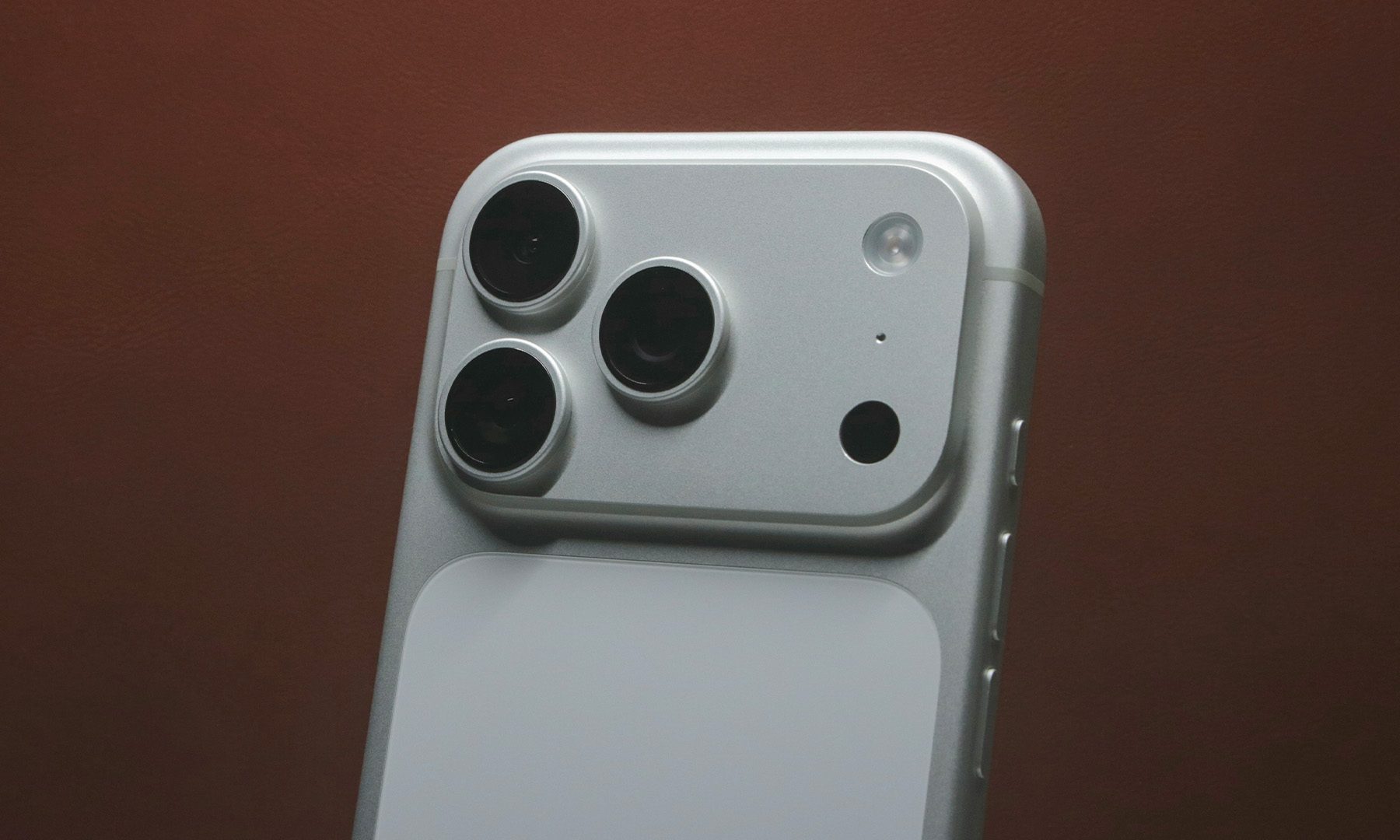
The timing is really interesting. We only recently learnt that a lack of DRAM could already be impacting production of the A20 Pro chip expected inside the iPhone 18 Pro. TSMC has some $1 billion worth of completed chips sitting idle waiting for memory before packaging can resume, the sources added.
The iPhone maker had already approached CXMT as a secondary DRAM supplier, but its attempt to negotiate a lower price did not go well.CXMT offered prices at the same or more as Samsung and SK Hynix. Huawei, Xiaomi and other Chinese makers have also snapped up much of CXMT’s available output on long-term deals, leaving it with little motivation to provide Apple the sort of discount it often expects from suppliers.
For consumers, the immediate result is simply another Xiaomi foldable using Chinese-made memory. But for the semiconductor industry, this could represent something much bigger: a new beginning for the RAM supply chain, with Chinese manufacturers moving from trying to catch up to becoming suppliers for increasingly sophisticated consumer electronics.
The real test now is whether CXMT can scale LPDDR6 production, maintain quality, and win more customers.