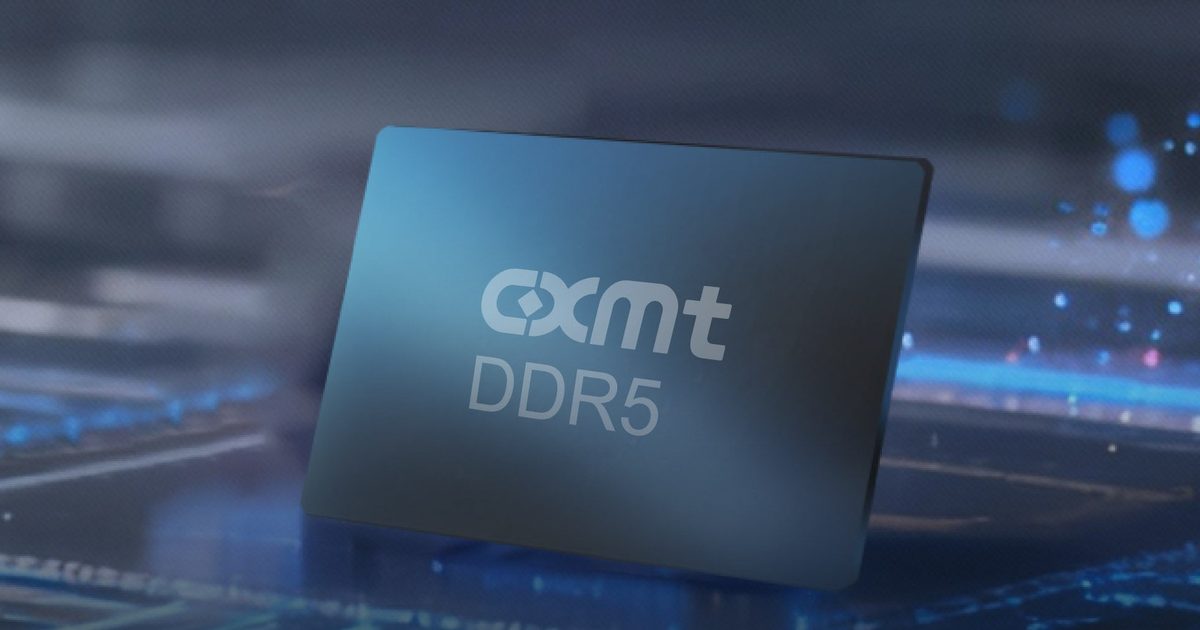





China’s largest homegrown DRAM manufacturer is getting close to producing the memory that could power the next generation of flagship phones, and the timing could hardly be better for buyers.
According to China Business News, ChangXin Memory Technologies, better known as CXMT, has nearly completed R&D verification for LPDDR6. This is one of the final major technical stages before small-scale trial production, and the company could begin mass production during the second half of this year. Its current design reportedly reaches speeds of up to 12.8Gbps.
This is happening while the global RAM market is in a mess. AI data centers are swallowing up available production, leaving smartphone makers fighting over increasingly expensive mobile memory. TrendForce says LPDDR5X prices surged by 78% to 83% during the second quarter alone, forcing brands to reconsider production volumes and high-capacity RAM options.
So what is LPDDR6?
LPDDR6 is the next generation of low-power RAM used inside smartphones, tablets, and ultra-thin laptops. It offers greater bandwidth and improved efficiency, which should help with multitasking, gaming, camera processing, and running AI features directly on a phone. But it will not come cheap. One report claims LPDDR6 could cost around 20% more than LPDDR5X, which may initially restrict it to expensive flagship phones.
Samsung is already rumored to have reconsidered using LPDDR6 and UFS 5.0 storage inside the Galaxy S27 Ultra because of cost and mass-production concerns. Xiaomi, meanwhile, is reportedly preparing a future flagship that could be among the first phones to adopt the new memory.
Will any of this make phones cheaper?
Not immediately. CXMT still needs to prove that it can produce LPDDR6 reliably, achieve strong yields, and manufacture enough chips to satisfy major smartphone brands. There are already signs that major device makers are paying attention. Apple has reportedly explored using CXMT memory in devices sold in China, although the idea has faced political pushback from the US government.

More importantly, another supplier entering the market could give phone makers more options and stronger negotiating power. However, any benefit for buyers will depend on several factors, including CXMT’s production yields, reliability, manufacturing scale, pricing, customer adoption, and the political restrictions surrounding Chinese memory suppliers.
Even if those hurdles are cleared, cheaper phones are not guaranteed. But a reliable new source of LPDDR6 could eventually improve availability, reduce some pricing pressure, and help the technology reach more devices beyond the most expensive flagship models.

.jpg "Review: Alienware 27 QD-OLED Gaming Monitor (AW2726DM)")