




If you’re eyeing an iPhone upgrade this September, the equation is a bit more complicated than usual. Apple is reportedly splitting its big September reveal into two relatively smaller but equally important product drops: iPhone 18 Pro and iPhone Ultra (the rumored foldable) this fall, and the regular iPhone 18, iPhone Air 2, and the iPhone 18e in spring 2027.
That means anyone who wants a new iPhone in September most likely has three options, all at the premium end of Apple’s lineup, including a foldable that could cost as much as a laptop. Although the company hasn’t sent out invitations for the event yet (they could go out on August 26), plenty of rumors from reputable sources paint a picture of what to expect from Apple’s 2026 September event.
When is Apple’s September event happening?
Usually, Apple prefers the second Tuesday of September to reveal its new iPhones. That’s what happened with the iPhone 17 and the iPhone 15, with the iPhone 16 being the only exception. This year, rumors point to Wednesday, September 9, 2026, as the potential date for the big fall event, as Monday, September 7, is Labor Day.
Pre-orders for the announced iPhones could begin on September 11 or 12, likely the latter, as Apple might want to sidestep the 25th anniversary of 9/11 on September 11, with retail availability expected from September 18. That is everything we know about Apple’s launch timeline for the upcoming iPhones. Below are details on the three expected iPhones.
Apple’s September 2026 event at a glance
| iPhone 18 Pro | iPhone 18 Pro Max | iPhone Ultra | |
| Display | 6.3-inch (unchanged) | 6.9-inch (unchanged) | 5.5-inch cover, 7.8-inch inner |
| Chip | A20 Pro (2nm) | A20 Pro (2nm) | A20 Pro (2nm) |
| Modem | C2 (Apple) | C2 (Apple) | C2 (Apple) |
| Main camera | Variable aperture | Variable aperture | Dual 48MP, no telephoto |
| Selfie camera | 24MP | 24MP | Dual 18MP (one per display) |
| Battery (rumored) | ~4,300–4,900mAh | ~5,100–5,300mAh | ~4,883mAh (two-cell) |
| Biometrics | Face ID | Face ID | Touch ID |
| Starting price (rumored) | 1,299–1,399 | 1,449–1,499 | 1,999–2,200 |
| Availability | September 18 | September 18 | September 18 (limited supply expected) |
iPhone 18 Pro: Silicon refresh with minor upgrades across the board
The iPhone 18 Pro could be a classic example of Apple’s tried-and-tested playbook of making the biggest leap under the hood while keeping everything else relatively familiar. To begin with the expected changes, we could see a slightly smaller Dynamic Island. Some reports point to under-display Face ID components, though I don’t think it will happen this year.
The 6.3-inch display size is expected to carry over unchanged from the iPhone 17 Pro. Under its shiny aluminum and glass exterior, the iPhone 18 Pro could sport the new A20 Pro chip, which could be Apple’s first chip to embrace the highly efficient 2nm fabrication technology (after Samsung and Google).


Rumors also mention a new Wafer-Level Multi-Chip Module (WMCM) packaging, which places the CPU, GPU, Neural Engine, and memory closer together for better performance and AI efficiency. A new in-house C2 modem is also expected to debut on the flagship, potentially running alongside Qualcomm hardware depending on region, likely with expanded satellite connectivity that unlocks 5G via satellite.
Like every year, the new iPhones will ship with stable iOS 27 builds and deeper Apple Intelligence integration, including the new Siri AI experience, new editing features in Photos, and a couple of other new features. On the optics front, the most repeated rumor is new variable-aperture hardware paired with the primary sensor, giving photographers more control over depth and low-light performance.

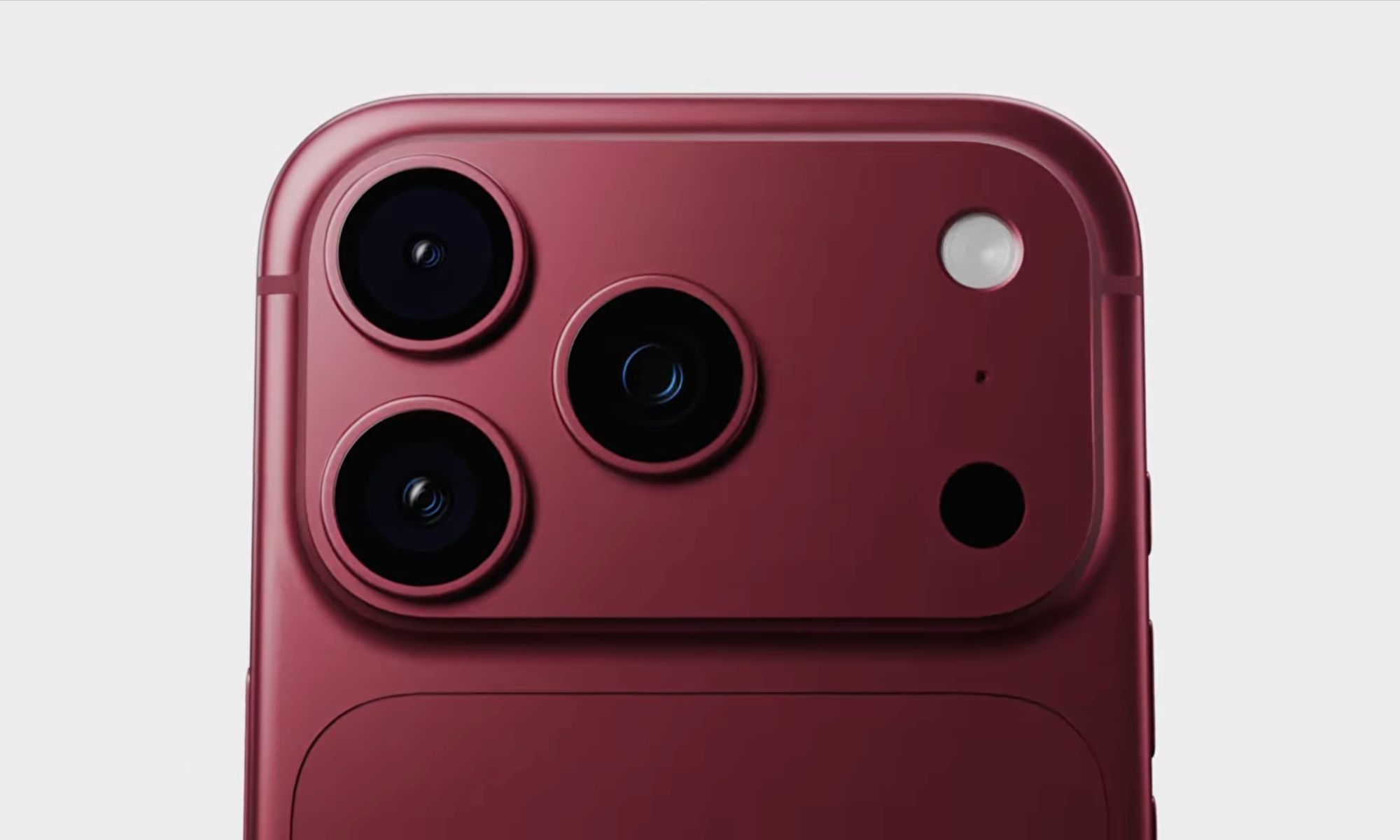
A 24MP selfie camera is also expected (up from 18MP), likely with the square-shaped camera sensor that enables the Center Stage camera experience on the iPhone 17. Battery capacity estimates vary across sources, but I expect them to be similar to the iPhone 17 Pro: around 4,288 mAh for the eSIM-only model and 4,065 mAh for the ones with a physical SIM.
Pricing is expected to rise by $200 to $300 over the iPhone 17 Pro’s $1,099 starting price, so we could be looking at $1,299 and $1,399 for the baseline iPhone 18 Pro.
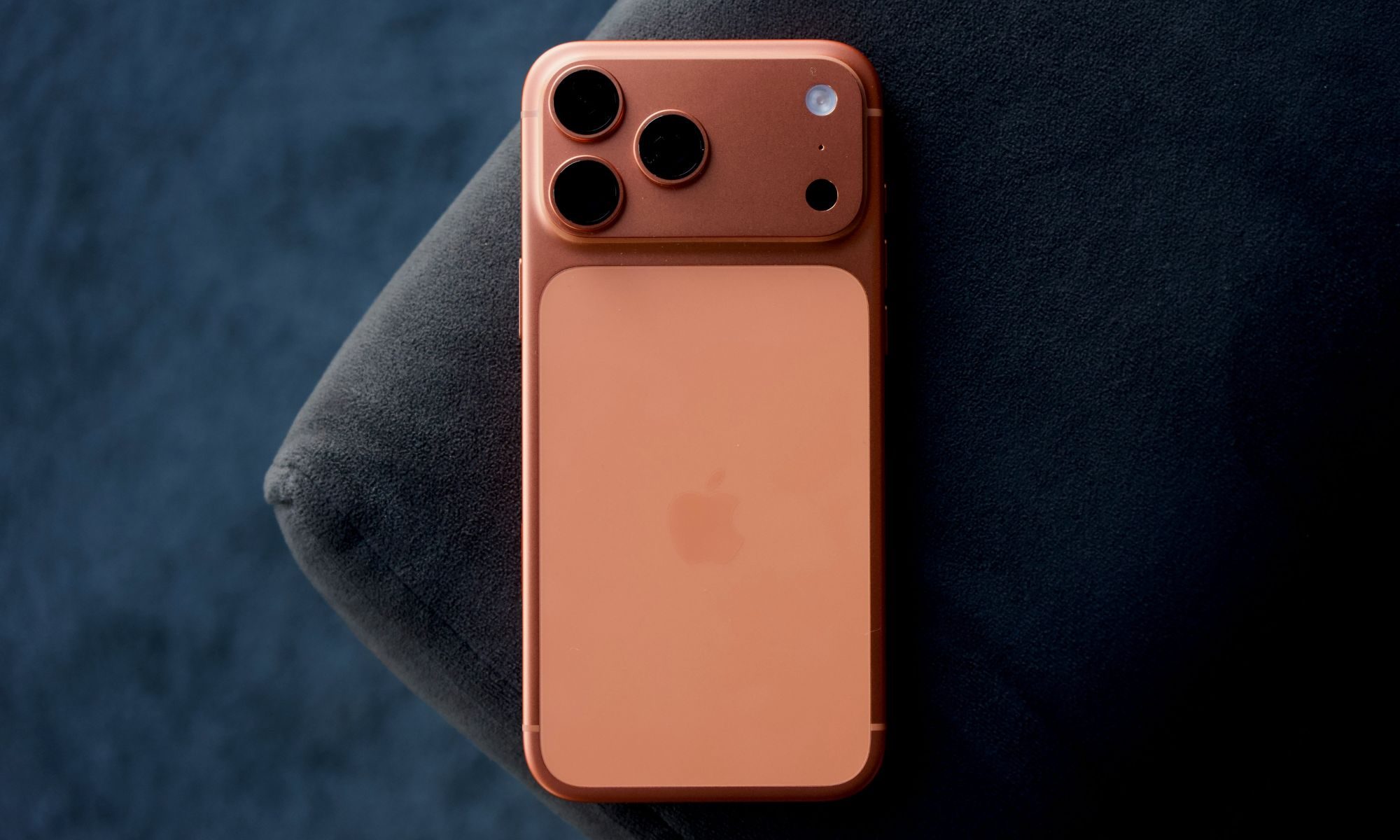
iPhone 18 Pro Max could pack similar internals in a bigger chassis
The iPhone 18 Pro Max should carry the same core upgrades as its smaller sibling, scaled up to fit the larger 6.9-inch form factor. Expect the same shrunken Dynamic Island, the same A20 Pro chip on TSMC’s 2nm node running iOS 27, and the same C2 modem with expanded satellite internet as the iPhone 18 Pro.
When it comes to optics, a recent rumor claims the variable-aperture primary camera could be exclusive to the Pro Max variant. However, that would leave buyers with one less compelling reason to consider the iPhone 18 Pro, especially if they’re coming from the iPhone 17 Pro. It could also further narrow the gap between the iPhone 18 Pro and the regular iPhone 18.


The Pro Max could really pull ahead in battery capacity. The numbers differ across sources so that I won’t confuse you with them. However, we could be looking at a ~10% bigger battery on the upcoming handset compared to the iPhone 17 Pro Max’s eSIM-only (5,088 mAh) and physical SIM (4,823 mAh) batteries.
If that happens, the iPhone 18 Pro Max could offer a few more hours of use between charges, making it the longest-lasting iPhone Apple has ever shipped. However, pricing is where the handset starts looking less impressive. Like the Pro, the Pro Max is said to see a price hike of around $250 to $300, which could put the base iPhone 18 Pro Max between $1,449 and $1,499.


That’s a meaningful jump for buyers already stretched by rising memory costs across the entire smartphone industry this year. Apple may or may not offset that increase by bumping the base model storage from 256GB to 512GB, but the price hike seems inevitable. A recent rumor also suggests the iPhone 18 Pro models could be in short supply at launch, possibly extending delivery times.
Apple’s first foldable might be available in limited quantity at launch
Apple’s first foldable iPhone, widely expected to carry the “Ultra” moniker, could be the company’s most important launch in a few years, especially after the last big design breakthrough with the iPhone X in 2017.
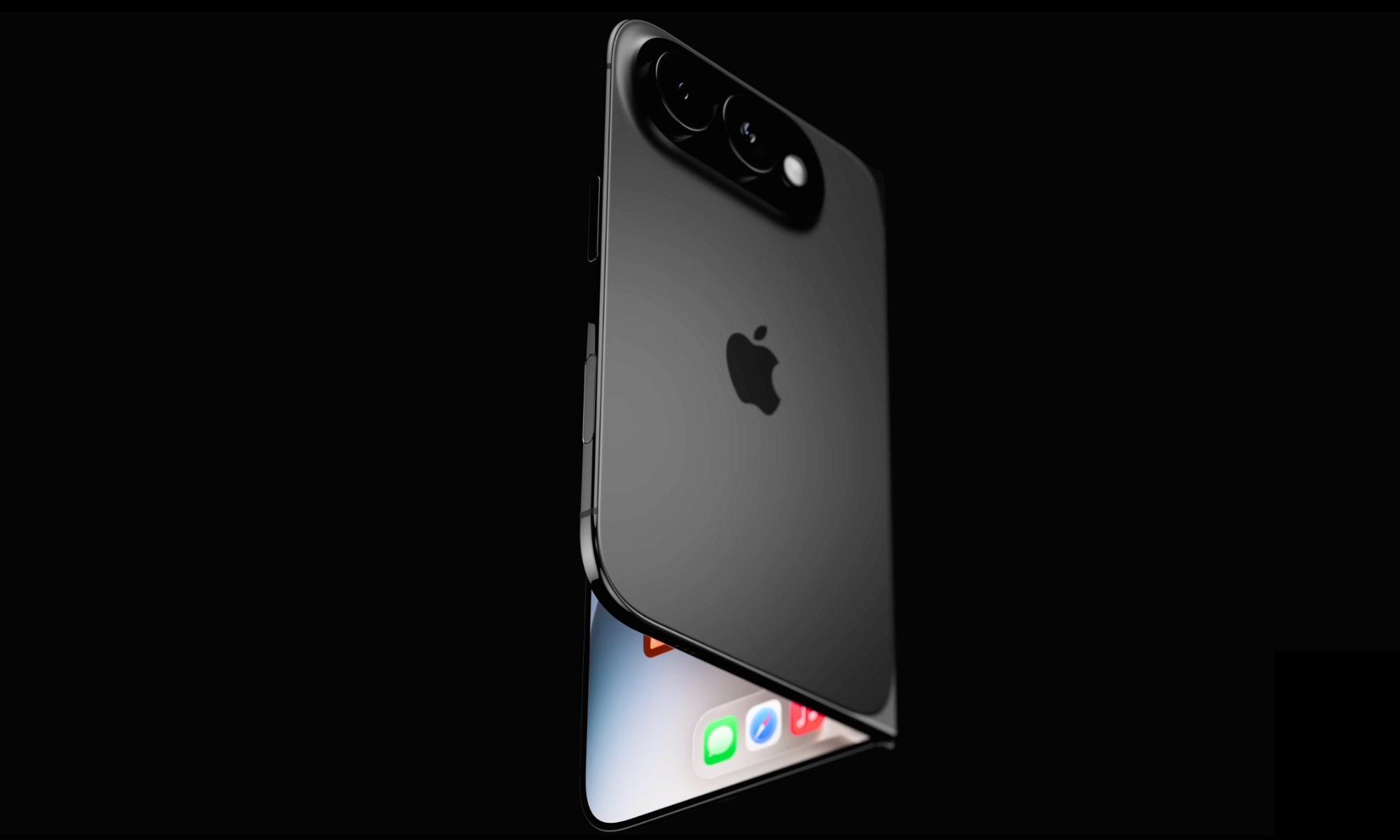
Renders point to a short, wide, “passport-style” book-fold with a 5.5-inch cover display and a 7.8-inch inner display at roughly a 4:3 ratio, closer to an iPad mini or the recently launched Galaxy Z Fold 8. Thickness estimates land around 4.5 mm unfolded and 9-9.5 mm folded.
While it might not be the thinnest foldable available at launch, Apple is reportedly working on the handset’s hinge and crease, using liquid metal and ultra-thin glass to strengthen them (respectively). For the chassis, the company might go with a mix of titanium and aluminum. The foldable could also feature a Touch ID biometric authentication system to make up for the lack of Face ID.

Under the hood, the iPhone Ultra will most likely run on the A20 Pro (2nm) chip with Apple’s C2 modem. Like the Pro models, the silicon could be paired with 12GB of RAM on the foldable, with 256GB of storage on the base variant. While the rest of the lineup will share Siri AI and the iOS 27 experience, the foldable iPhone could get a multi-app split-screen layout to leverage the extra screen real estate.
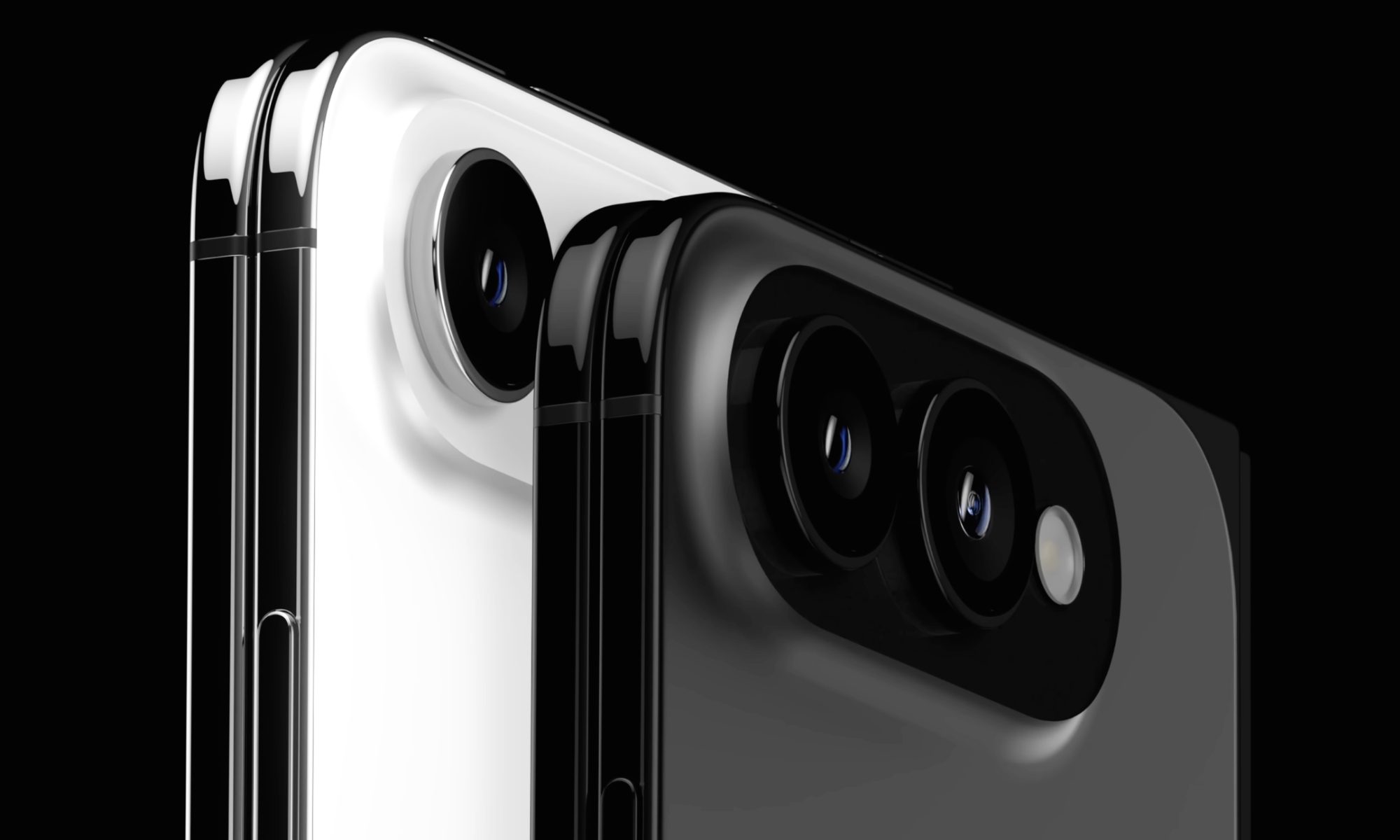
The handset could feature a dual-camera setup similar to the iPhone 17: a primary and ultrawide sensor with 48MP resolution. Whether the front-facing camera on the cover screen and the inner screen (rumored to be 18MP sensors) will feature Center Stage is still unclear.

For those wondering about the battery, Apple could go with a dual-cell design with a combined capacity of around 5,000 mAh or more. Some rumors also suggest the iPhone Ultra could have the biggest battery Apple has ever shipped. However, all of that could seem a little less impressive once you see the rumored price.
The baseline iPhone Ultra with 256GB could cost around $2,000 to $2,300. If Apple goes with the $2,300 tag, it could risk placing the iPhone above the $2,099.99 Galaxy Z Fold 8 Ultra, making it a bit too expensive.
Should you buy now or wait?
If you’re using an older iPhone, like an iPhone 12 or iPhone 13, and you’ve been waiting for the iPhone 18 series to upgrade, keep two things in mind before you decide. First, there might not be a baseline iPhone 18 at the September launch event. Second, the new iPhone 18 Pro models could command a $200 to $300 premium over the iPhone 17 Pro.
If you ask me, the iPhone 17 or iPhone 17 Pro is still an excellent upgrade for anyone using an iPhone 14 or older. Practically speaking, you can buy it right now instead of waiting for the September event. However, if budget isn’t a constraint for you and you’re comfortable paying a higher asking price, you could wait and see what Apple has in store.