


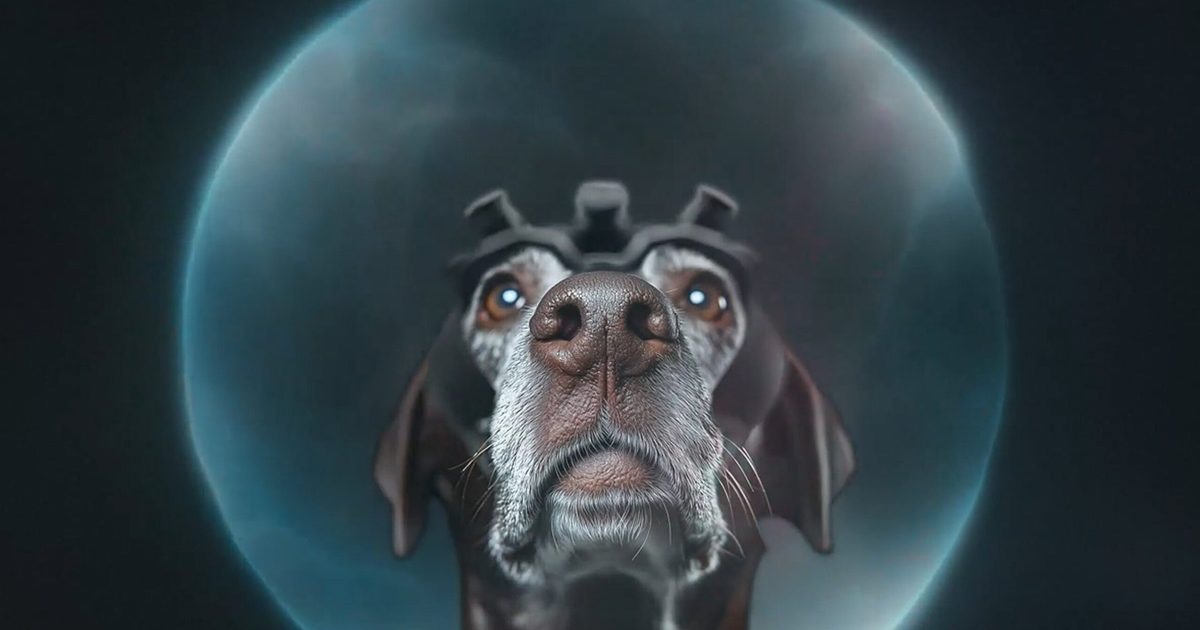




AI apparently doesn’t need to replace every biological system. Dogs are still keeping their jobs, at least for now. An Indian startup from Bengaluru, Karnataka, is training dogs with sensors and machine learning. Patients breathe normally into a face mask for about 10 minutes, ship the sealed sample to a lab, and let the dogs get to work.
The dogs are trained to identify changes in volatile organic compounds, or VOCs, associated with cancer. Sensors meanwhile track signals including movement, respiration, brain activity, and body language, which Dognosis’ AI translates into standardized data rather than relying entirely on a human handler interpreting each animal’s behavior.
The early numbers are quite promising
Dognosis’ Phase 2 study included 1,502 participants, including 283 people with biopsy-confirmed cancer. Seven trained dogs helped identify more than 90% of cancers and more than 91% of non-cancer samples across seven cancer groups, with similar performance reported for early-stage disease.
The startup claims that the system targets more than 20 cancer types, including breast, lung, cervical, and oral cancers. Its Phase 3 trial began in April across 10 hospitals and aims to enroll roughly 10,000 people. Dognosis eventually wants around 30 dogs to support as many as one million tests annually.
But you have to keep in mind that this isn’t a proper diagnosis solution. BreathEasy is being developed as a prescreening tool, so a positive result would direct someone toward further medical testing rather than provide a cancer diagnosis. The current large-scale trials still need to establish how well the approach performs in broader clinical use.
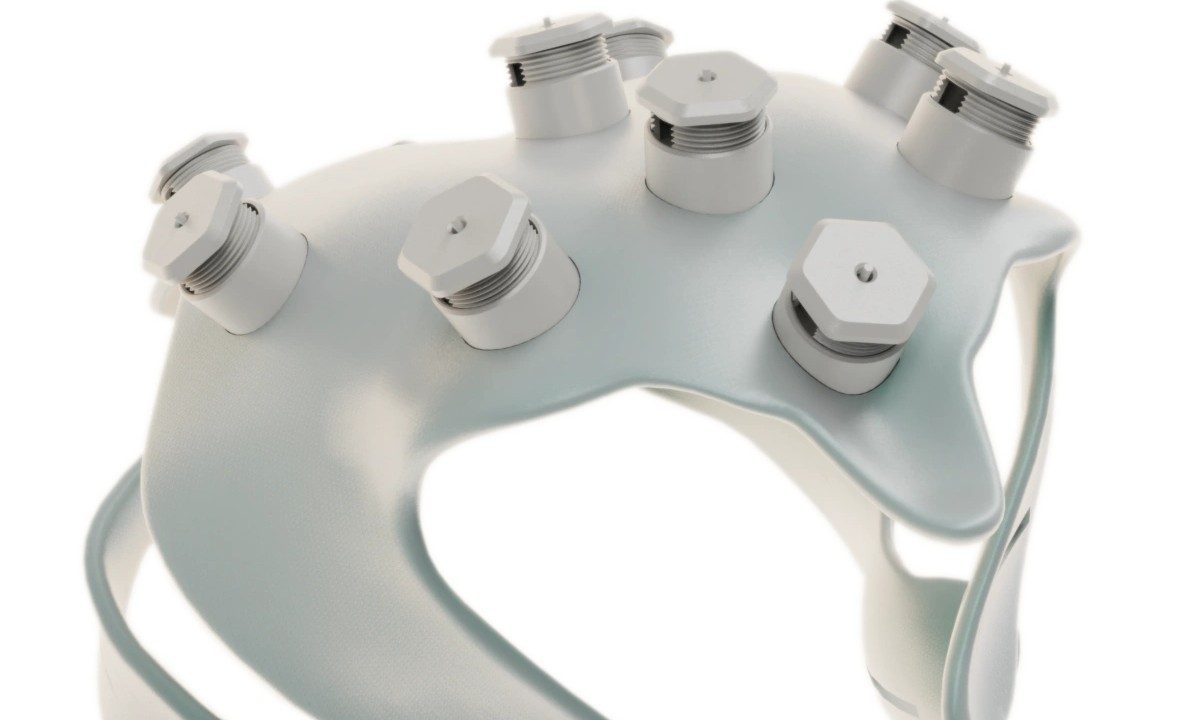
Dogs might be training their replacements
The company wants to learn enough from canine olfaction to reproduce those abilities using sensors, potentially removing dogs from the process entirely. So even dogs aren’t safe from being replaced. For now, their noses provide the biological sensing hardware while AI tackles consistency and scalability.
Dognosis is targeting an at-home prescreening launch in India in 2027 for a few thousand rupees. If its larger trials hold up, breathing into a mask and letting an AI-assisted dog sniff it could become considerably less strange than it sounds.


.jpg "Review: Dell XPS 13 (2026)")