





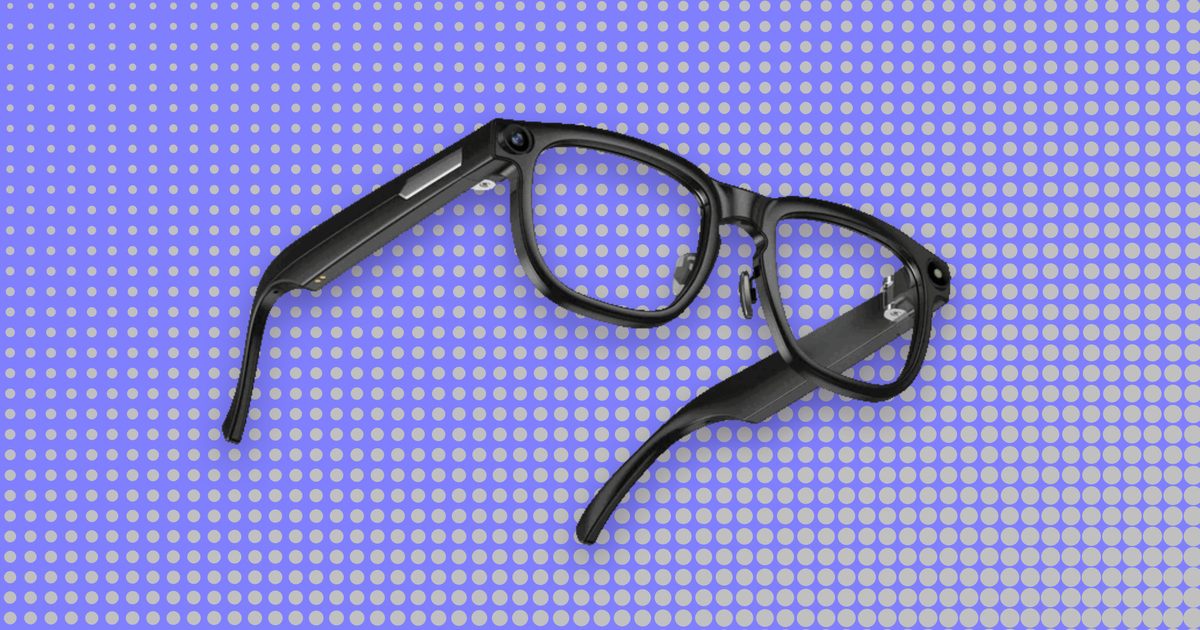
Smart glasses are quickly reaching a point where putting a camera and an AI assistant on your face no longer requires spending several hundred dollars. Rollme has launched the AuraView and ProView, two new pairs of AI camera glasses priced at $99.99 each.
Both models use a Sony 12MP camera with electronic image stabilization, alongside AI visual recognition, live translation, open-ear audio, and voice assistance. Rollme’s official store confirms the $99.99 price for both designs, which is an awful lot of wearable tech hovering around regular sunglasses money.
$100 buys a surprisingly capable pair of glasses
The 12MP camera can capture an image in a claimed 0.6 seconds after pressing the shutter button, with electronic image stabilisation (EIS) support included for first-person footage. Rollme hasn’t published the camera’s video resolution, frame rate, or onboard storage capacity yet.
Live translation can also handle spoken conversations, giving the glasses an obvious use for travel. Dual speakers provide open-ear audio, while high-sensitivity microphones and noise reduction handle Bluetooth calls. The two models mainly differ in appearance. AuraView uses a half-rim metal design with brown-tinted lenses. Meanwhile, ProView has a fuller frame and includes clear and dark lenses, making it easier to move between indoor and outdoor use. The duo use a 280mAh battery, which Rollme describes as capable of all-day use. However, the company hasn’t provided an actual hourly runtime figure.
Cheap smart glasses are becoming the bigger story


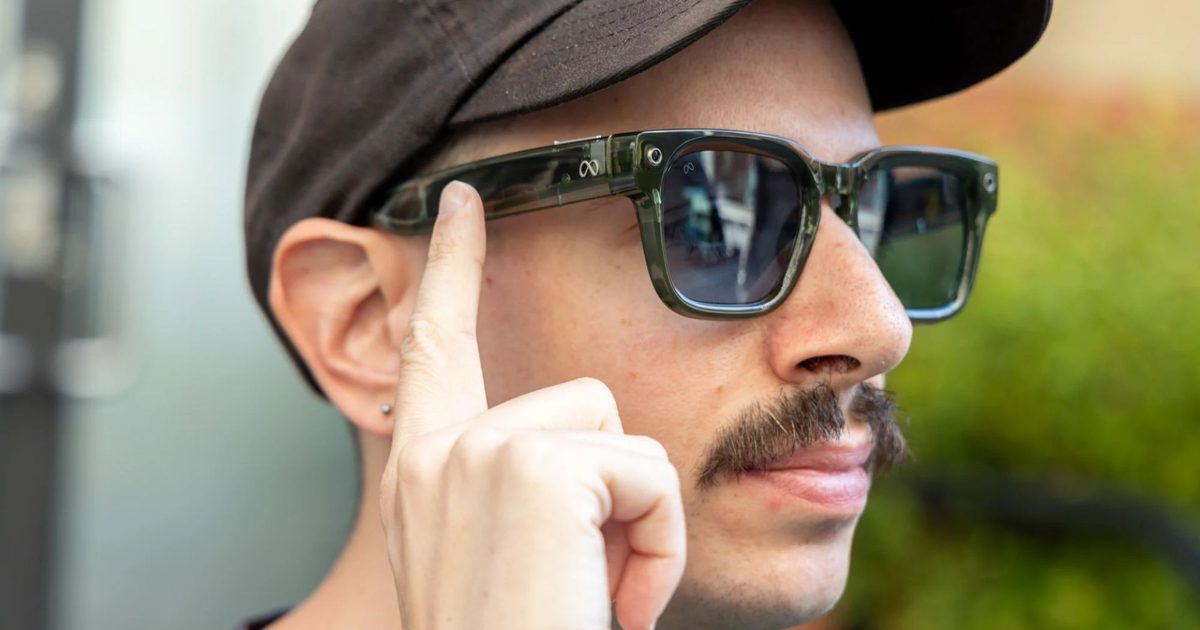
We recently covered the AU$89 Anko AI Camera Glasses that sold out in Australia and immediately sparked questions around how ordinary camera-equipped eyewear is becoming. Meta has meanwhile introduced safeguards that disable cameras when users tamper with their recording indicator, while companies including Solos are building physical privacy accessories around their own camera glasses.
Rollme isn’t alone in pushing prices lower either. Rokid’s considerably more sophisticated Style glasses launched at $299 with a 12MP Sony camera and 4K recording, while Ray-Ban Meta models still occupy a much more premium price bracket. A $100 pair definitely has its fair share of compromises, but what stands out is how little money it now takes to put a camera, microphones, AI, and visual recognition directly at eye level.