




Close Menu
Best in TechnologyBest in Technology
  • News
  • Phones
  • Laptops
  • Gadgets
  • Gaming
  • AI
  • Tips
  • More
    • Web Stories
    • Global
    • Press Release

Subscribe to Updates

Get the latest tech news and updates directly to your inbox.

What's On
Say goodbye to Chronicle. ChatGPT’s new Computer History feature does it better

Say goodbye to Chronicle. ChatGPT’s new Computer History feature does it better

14 August 2026
Apple TV just got a bunch of classic movies, and they’re all worth a rewatch

Apple TV just got a bunch of classic movies, and they’re all worth a rewatch

14 August 2026
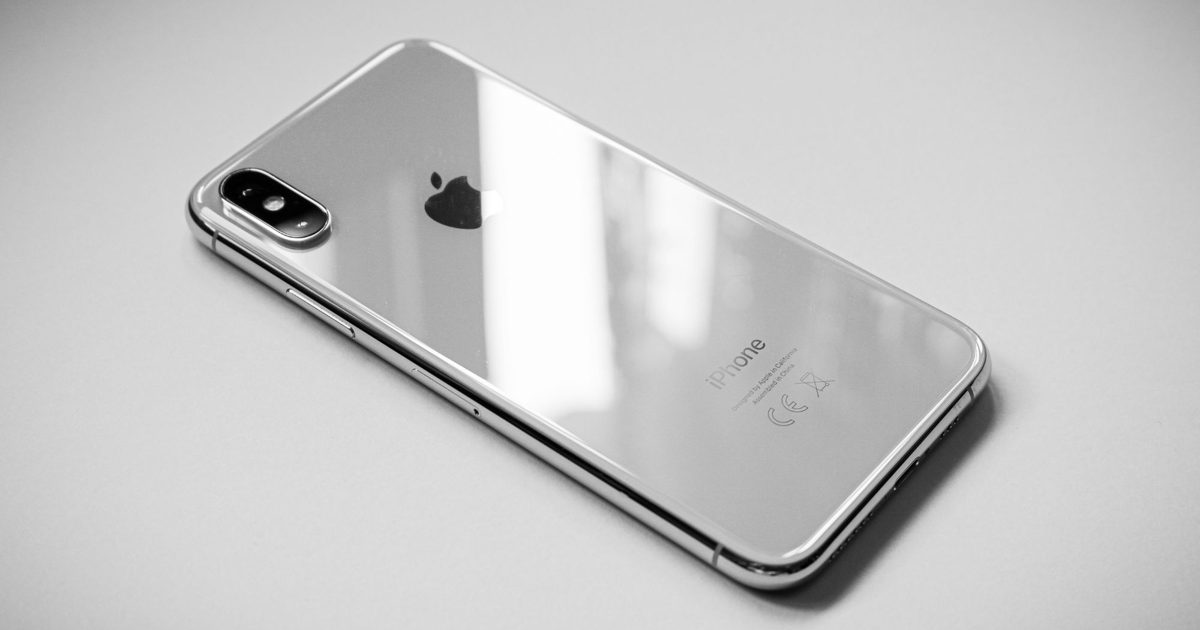
The iPhone X is obsolete now, and so is that aging MacBook Pro

The iPhone X is obsolete now, and so is that aging MacBook Pro

14 August 2026
Facebook X (Twitter) Instagram
Just In
  • Say goodbye to Chronicle. ChatGPT’s new Computer History feature does it better
  • Apple TV just got a bunch of classic movies, and they’re all worth a rewatch
  • The iPhone X is obsolete now, and so is that aging MacBook Pro
  • AI agents are sitting through students’ online courses, and colleges are struggling to stop them
  • Google drops Gemini 3.7 Flash model, and it’s ready to handle your chores with the Spark agent
  • Darksiders 4 and the next Kingdom Come game could arrive by March 2028
  • Researchers built a tiny wearable patch that measures cholesterol levels from your sweat
  • The Safety Reckoning Inside OpenAI
Facebook X (Twitter) Instagram Pinterest Vimeo
Best in TechnologyBest in Technology
  • News
  • Phones
  • Laptops
  • Gadgets
  • Gaming
  • AI
  • Tips
  • More
    • Web Stories
    • Global
    • Press Release
Subscribe
Best in TechnologyBest in Technology
Home » Some People Actually Kind of Love Deepfakes
News

Some People Actually Kind of Love Deepfakes

News RoomBy News Room15 February 20244 Mins Read
Share Facebook Twitter Pinterest LinkedIn Tumblr Reddit Telegram Email
Some People Actually Kind of Love Deepfakes
Share
Facebook Twitter LinkedIn Pinterest Email

A month ago, the consulting company Accenture presented a potential client an unusual and attention-grabbing pitch for a new project. Instead of the usual slide deck, the client saw deepfakes of several real employees standing on a virtual stage, offering perfectly delivered descriptions of the project they hoped to work on.

“I wanted them to meet our team,” says Renato Scaff, a senior managing director at Accenture who came up with the idea. “It’s also a way for us to differentiate ourselves from the competition.”

The deepfakes were generated—with employees’ consent—by Touchcast, a company Accenture has invested in that offers a platform for interactive presentations featuring avatars of real or synthetic people. Touchcast’s avatars can respond to typed or spoken questions using AI models that analyze relevant information and generate answers on the fly.

“There’s an element of creepy,” Scaff says of his deepfake employees. “But there’s a bigger element of cool.”

Deepfakes are a potent and dangerous weapon of disinformation and reputational harm. But that same technology is being adopted by companies that see it instead as a clever and catchy new way to reach and interact with customers.

Those experiments aren’t limited to the corporate sector. Monica Arés, executive director of the Innovation, Digital Education, and Analytics Lab at Imperial College Business School in London, has created deepfakes of real professors that she hopes could be a more engaging and effective way to answer students’ questions and queries outside of the classroom. Arés says the technology has the potential to increase personalization, provide new ways to manage and assess students, and boost student engagement. “You still have the likeness of a human speaking to you, so it feels very natural,” she says.

As is often the case these days, we have AI to thank for this unraveling of reality. It has long been possible for Hollywood studios to copy actors’ voices, faces, and mannerisms with software, but in recent years AI has made similar technology widely accessible and virtually free. Besides Touchcast, companies including Synthesia and HeyGen offer businesses a way to generate avatars of real or fake individuals for presentations, marketing, and customer service.

Edo Segal, founder and CEO of Touchcast, believes that digital avatars could be a new way of presenting and interacting with content. His company has developed a software platform called Genything that will allow anyone to create their own digital twin.

At the same time, deepfakes are becoming a major concern as elections loom in many countries, including the US. Last month, AI-generated robocalls featuring a fake Joe Biden were used to spread election disinformation. Taylor Swift also recently became a target of deepfake porn generated using widely available AI image tools.

“Deepfake images are certainly something that we find concerning and alarming,” Ben Buchanan, the White House Special Adviser for AI, told WIRED in a recent interview. The Swift deepfake “is a key data point in a broader trend which disproportionately impacts women and girls, who are overwhelmingly targets of online harassment and abuse,” he said.

A new US AI Safety Institute, created under a White House executive order issued last October, is currently developing standards for watermarking AI-generated media. Meta, Google, Microsoft, and other tech companies are also developing technology designed to spot AI forgeries in what is becoming a high-stakes AI arms race.

Some political uses of deepfakery, however, highlight the dual potential of the technology.

Imran Khan, Pakistan’s former prime minister, delivered a rallying address to his party’s followers last Saturday despite being stuck behind bars. The former cricket star, jailed in what his party has characterized as a military coup, gave his speech using deepfake software that conjured up a convincing copy of him sitting behind a desk and speaking words that he never actually uttered.

As AI-powered video manipulation improves and becomes easier to use, business and consumer interest in legitimate uses of the technology is likely to grow. The Chinese tech giant Baidu recently developed a way for users of its chatbot app to create deepfakes for sending Lunar New Year greetings.

Even for early adopters, the potential for misuse isn’t entirely out of mind. “There’s no question that security needs to be paramount,” says Accenture’s Scaff. “Once you have a synthetic twin, you can make them do and say anything.”


Share. Facebook Twitter Pinterest LinkedIn Tumblr Email
Previous ArticleXiaomi 14 Ultra Price, Front Panel Design Leaked; Tipped to Get MIIT Certification
Next Article What CPU do I have? Here’s how to easily check

Related Articles

Say goodbye to Chronicle. ChatGPT’s new Computer History feature does it better
News

Say goodbye to Chronicle. ChatGPT’s new Computer History feature does it better

14 August 2026
Apple TV just got a bunch of classic movies, and they’re all worth a rewatch
News

Apple TV just got a bunch of classic movies, and they’re all worth a rewatch

14 August 2026
The iPhone X is obsolete now, and so is that aging MacBook Pro
News

The iPhone X is obsolete now, and so is that aging MacBook Pro

14 August 2026
AI agents are sitting through students’ online courses, and colleges are struggling to stop them
News

AI agents are sitting through students’ online courses, and colleges are struggling to stop them

14 August 2026
Google drops Gemini 3.7 Flash model, and it’s ready to handle your chores with the Spark agent
News

Google drops Gemini 3.7 Flash model, and it’s ready to handle your chores with the Spark agent

14 August 2026
Darksiders 4 and the next Kingdom Come game could arrive by March 2028
News

Darksiders 4 and the next Kingdom Come game could arrive by March 2028

14 August 2026
Demo
Top Articles
5 laptops to buy instead of the M4 MacBook Pro

5 laptops to buy instead of the M4 MacBook Pro

17 November 2024133 Views
ChatGPT o1 vs. o1-mini vs. 4o: Which should you use?

ChatGPT o1 vs. o1-mini vs. 4o: Which should you use?

15 December 2024112 Views
Costco partners with Electric Era to bring back EV charging in the U.S.

Costco partners with Electric Era to bring back EV charging in the U.S.

28 October 2024100 Views

Subscribe to Updates

Get the latest tech news and updates directly to your inbox.

Latest News
Darksiders 4 and the next Kingdom Come game could arrive by March 2028 News

Darksiders 4 and the next Kingdom Come game could arrive by March 2028

News Room14 August 2026
Researchers built a tiny wearable patch that measures cholesterol levels from your sweat News

Researchers built a tiny wearable patch that measures cholesterol levels from your sweat

News Room14 August 2026
The Safety Reckoning Inside OpenAI News

The Safety Reckoning Inside OpenAI

News Room14 August 2026
Most Popular
The Spectacular Burnout of a Solar Panel Salesman

The Spectacular Burnout of a Solar Panel Salesman

13 January 2025137 Views
5 laptops to buy instead of the M4 MacBook Pro

5 laptops to buy instead of the M4 MacBook Pro

17 November 2024133 Views
ChatGPT o1 vs. o1-mini vs. 4o: Which should you use?

ChatGPT o1 vs. o1-mini vs. 4o: Which should you use?

15 December 2024112 Views
Our Picks
AI agents are sitting through students’ online courses, and colleges are struggling to stop them

AI agents are sitting through students’ online courses, and colleges are struggling to stop them

14 August 2026
Google drops Gemini 3.7 Flash model, and it’s ready to handle your chores with the Spark agent

Google drops Gemini 3.7 Flash model, and it’s ready to handle your chores with the Spark agent

14 August 2026
Darksiders 4 and the next Kingdom Come game could arrive by March 2028

Darksiders 4 and the next Kingdom Come game could arrive by March 2028

14 August 2026

Subscribe to Updates

Get the latest tech news and updates directly to your inbox.

Facebook X (Twitter) Instagram Pinterest
  • Privacy Policy
  • Terms of use
  • Advertise
  • Contact Us
© 2026 Best in Technology. All Rights Reserved.

Type above and press Enter to search. Press Esc to cancel.