

Close Menu
Best in TechnologyBest in Technology
  • News
  • Phones
  • Laptops
  • Gadgets
  • Gaming
  • AI
  • Tips
  • More
    • Web Stories
    • Global
    • Press Release

Subscribe to Updates

Get the latest tech news and updates directly to your inbox.

What's On
Review: Atonemo Streamplayer

Review: Atonemo Streamplayer

13 January 2026
Your next retro mini PC can look like a classic PlayStation

Your next retro mini PC can look like a classic PlayStation

13 January 2026
What to Do If ICE Invades Your Neighborhood

What to Do If ICE Invades Your Neighborhood

13 January 2026
Facebook X (Twitter) Instagram
Just In
  • Review: Atonemo Streamplayer
  • Your next retro mini PC can look like a classic PlayStation
  • What to Do If ICE Invades Your Neighborhood
  • Anthropic’s Cowork turns Claude into your hands-on digital teammate
  • New UK under-5 screen time guidance targets passive time, what it changes for you
  • Google Removes AI Health Summaries After Risky Medical Errors Exposed
  • Apple bet its AI future on Gemini. Here’s how it can reimagine the iPhone for you
  • Apple has confirmed that Siri’s big AI reboot will be powered by Google’s Gemini
Facebook X (Twitter) Instagram Pinterest Vimeo
Best in TechnologyBest in Technology
  • News
  • Phones
  • Laptops
  • Gadgets
  • Gaming
  • AI
  • Tips
  • More
    • Web Stories
    • Global
    • Press Release
Subscribe
Best in TechnologyBest in Technology
Home » See 6 Planets Align in the Night Sky This August
News

See 6 Planets Align in the Night Sky This August

News RoomBy News Room7 August 20253 Mins Read
Share Facebook Twitter Pinterest LinkedIn Tumblr Reddit Telegram Email
See 6 Planets Align in the Night Sky This August
Share
Facebook Twitter LinkedIn Pinterest Email

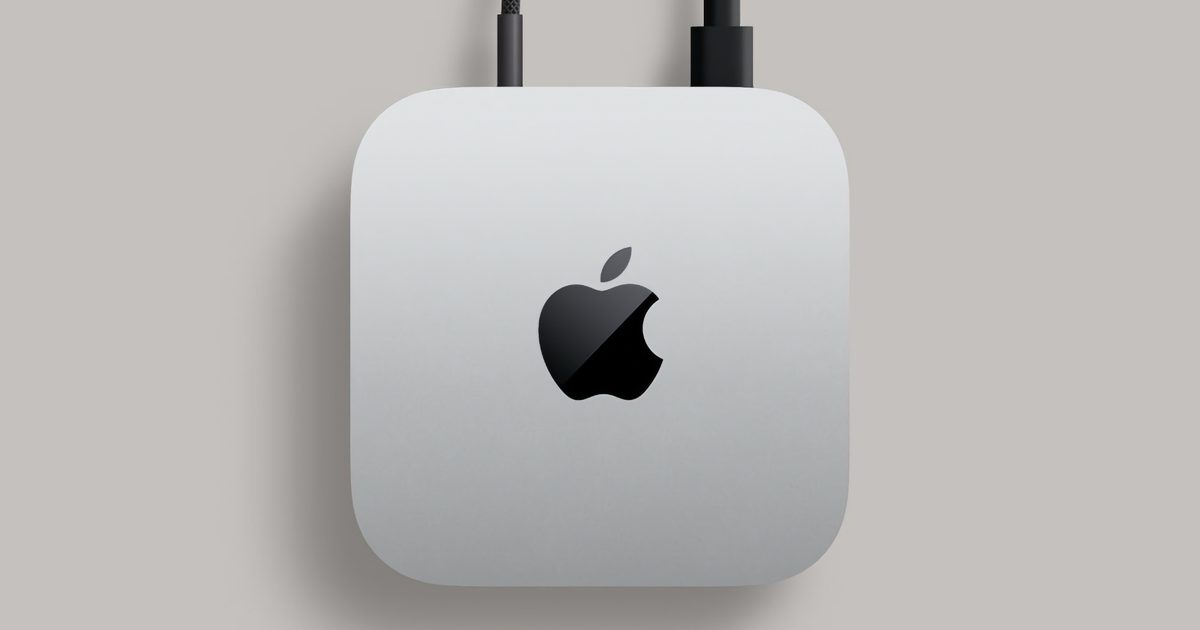
On August 10, six planets—Mercury, Venus, Jupiter, Saturn, Uranus, and Neptune—will line up in an arc in the night sky. Four of these planets—Mercury, Venus, Jupiter, and Saturn—can be seen with the naked eye, while Uranus and Neptune will be visible through a very strong pair of skywatching binoculars or a backyard telescope.

While August 10 marks the beginning of this planetary parade, these six planets will be visible until the final days of August, when Mercury sinks lower on the horizon and meanders too close to the sun to be observed safely. The next time that all of these planets will be visible together won’t be until February 2026, so you won’t want to miss this alignment.

While this planetary parade starts on the 10th, the best date to view these planets is on the nights leading up to August 23, when there will be little to no moonlight and when Mercury will be at its furthest point from the sun.

Moonlight and artificial light can wash out objects in the night sky, so you’ll want to do your skywatching under a clear, moonless sky and away from artificial light. If you must use a flashlight, opt for one with red light to preserve your night vision.

What to Expect

Rising first are Neptune and Saturn, followed by Uranus, then Venus and Jupiter, and finally Mercury.

Once these planets are above the horizon on August 10, if you’re in the northern hemisphere, you will see Neptune and Saturn to the southwest (about 40 degrees above the horizon), followed by Uranus to the southeast (about 55 degrees above the horizon). Completing the arc in the east are Venus and Jupiter (both just over 20 degrees above the horizon) and lastly Mercury, which will just barely eke over the eastern horizon.

If you’re in the southern hemisphere, instead of looking south, you would look north to see these objects: Neptune and Saturn would be in the northwest, followed by Uranus in the north and slightly to the east. Venus, Jupiter, and Mercury would be slightly more to the northeast in the southern hemisphere, and they would be a few degrees lower on the horizon than in the northern hemisphere.

Here’s what you need to know about each of these planets and how to find them.

Neptune and Saturn

First, Neptune and Saturn rise together between about 8:30 pm and 10 pm local time in many locations in both hemispheres. The exact times that the planets rise and set will vary depending on your exact location; you can use websites like Time and Date to find exact times.

Neptune and Saturn will remain together until they set in midmorning. They will appear slightly to the west of the moon, under the constellation Pisces.

Saturn is very bright and easily visible to the naked eye. You can spot Saturn’s marvellous rings with a pair of skywatching binoculars or a backyard telescope. Seeing Saturn’s rings for the first time is one of the most awe-inspiring moments you can have when stargazing.
Share. Facebook Twitter Pinterest LinkedIn Tumblr Email
Previous ArticleAmazon Great Freedom Festival Sale 2025: Best Deals on High-Performance Laptops From Microsoft, Lenovo, Asus, and More
Next Article Apple Says All iPhone and Apple Watch Models Will Feature Cover Glass Manufactured in the US

Related Articles

Review: Atonemo Streamplayer
News

Review: Atonemo Streamplayer

13 January 2026
Your next retro mini PC can look like a classic PlayStation
News

Your next retro mini PC can look like a classic PlayStation

13 January 2026
What to Do If ICE Invades Your Neighborhood
News

What to Do If ICE Invades Your Neighborhood

13 January 2026
Anthropic’s Cowork turns Claude into your hands-on digital teammate
News

Anthropic’s Cowork turns Claude into your hands-on digital teammate

13 January 2026
New UK under-5 screen time guidance targets passive time, what it changes for you
News

New UK under-5 screen time guidance targets passive time, what it changes for you

13 January 2026
Google Removes AI Health Summaries After Risky Medical Errors Exposed
News

Google Removes AI Health Summaries After Risky Medical Errors Exposed

13 January 2026
Demo
Top Articles
ChatGPT o1 vs. o1-mini vs. 4o: Which should you use?

ChatGPT o1 vs. o1-mini vs. 4o: Which should you use?

15 December 2024107 Views
5 laptops to buy instead of the M4 MacBook Pro

5 laptops to buy instead of the M4 MacBook Pro

17 November 2024101 Views
Costco partners with Electric Era to bring back EV charging in the U.S.

Costco partners with Electric Era to bring back EV charging in the U.S.

28 October 202497 Views

Subscribe to Updates

Get the latest tech news and updates directly to your inbox.

Latest News
Google Removes AI Health Summaries After Risky Medical Errors Exposed News

Google Removes AI Health Summaries After Risky Medical Errors Exposed

News Room13 January 2026
Apple bet its AI future on Gemini. Here’s how it can reimagine the iPhone for you News

Apple bet its AI future on Gemini. Here’s how it can reimagine the iPhone for you

News Room13 January 2026
Apple has confirmed that Siri’s big AI reboot will be powered by Google’s Gemini News

Apple has confirmed that Siri’s big AI reboot will be powered by Google’s Gemini

News Room13 January 2026
Most Popular
The Spectacular Burnout of a Solar Panel Salesman

The Spectacular Burnout of a Solar Panel Salesman

13 January 2025136 Views
ChatGPT o1 vs. o1-mini vs. 4o: Which should you use?

ChatGPT o1 vs. o1-mini vs. 4o: Which should you use?

15 December 2024107 Views
5 laptops to buy instead of the M4 MacBook Pro

5 laptops to buy instead of the M4 MacBook Pro

17 November 2024101 Views
Our Picks
Anthropic’s Cowork turns Claude into your hands-on digital teammate

Anthropic’s Cowork turns Claude into your hands-on digital teammate

13 January 2026
New UK under-5 screen time guidance targets passive time, what it changes for you

New UK under-5 screen time guidance targets passive time, what it changes for you

13 January 2026
Google Removes AI Health Summaries After Risky Medical Errors Exposed

Google Removes AI Health Summaries After Risky Medical Errors Exposed

13 January 2026

Subscribe to Updates

Get the latest tech news and updates directly to your inbox.

Facebook X (Twitter) Instagram Pinterest
  • Privacy Policy
  • Terms of use
  • Advertise
  • Contact Us
© 2026 Best in Technology. All Rights Reserved.

Type above and press Enter to search. Press Esc to cancel.