






Close Menu
Best in TechnologyBest in Technology
  • News
  • Phones
  • Laptops
  • Gadgets
  • Gaming
  • AI
  • Tips
  • More
    • Web Stories
    • Global
    • Press Release

Subscribe to Updates

Get the latest tech news and updates directly to your inbox.

What's On
Meta promised to stop creepy AI glasses videos, but they’re still all over Instagram

Meta promised to stop creepy AI glasses videos, but they’re still all over Instagram

17 August 2026
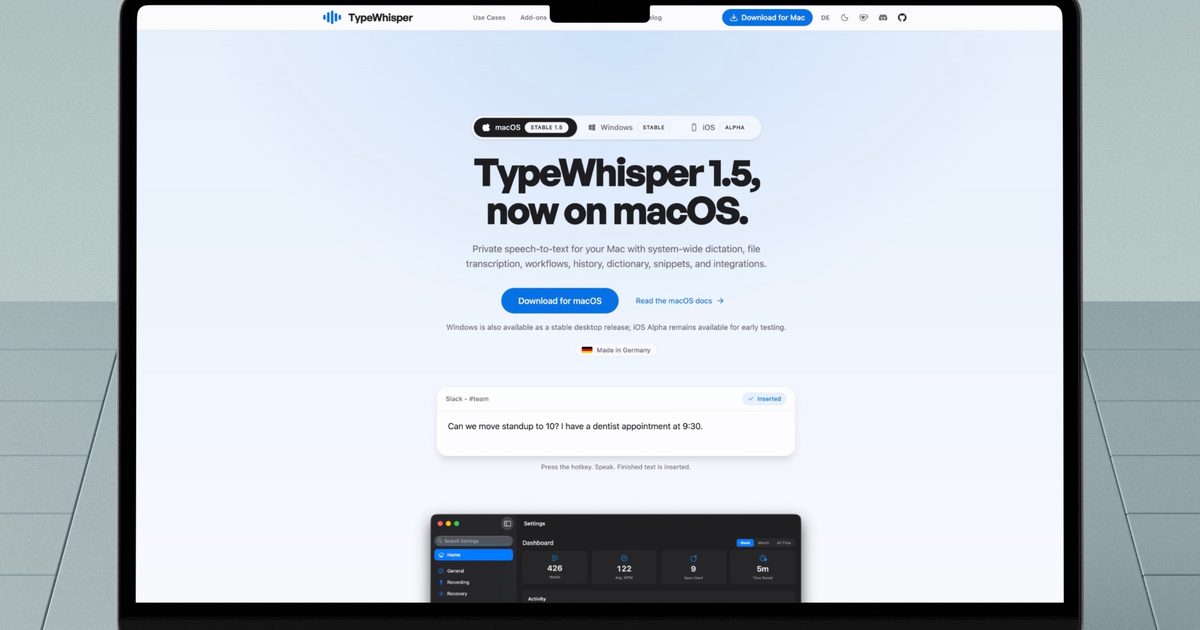
I found a better way to dictate on my Mac, and it doesn’t need the cloud

I found a better way to dictate on my Mac, and it doesn’t need the cloud

17 August 2026
Mac users now have an easier way to install apps from DMG files

Mac users now have an easier way to install apps from DMG files

17 August 2026
Facebook X (Twitter) Instagram
Just In
  • Meta promised to stop creepy AI glasses videos, but they’re still all over Instagram
  • I found a better way to dictate on my Mac, and it doesn’t need the cloud
  • Mac users now have an easier way to install apps from DMG files
  • I’m not buying the idea that killing PlayStation discs will make games cheaper
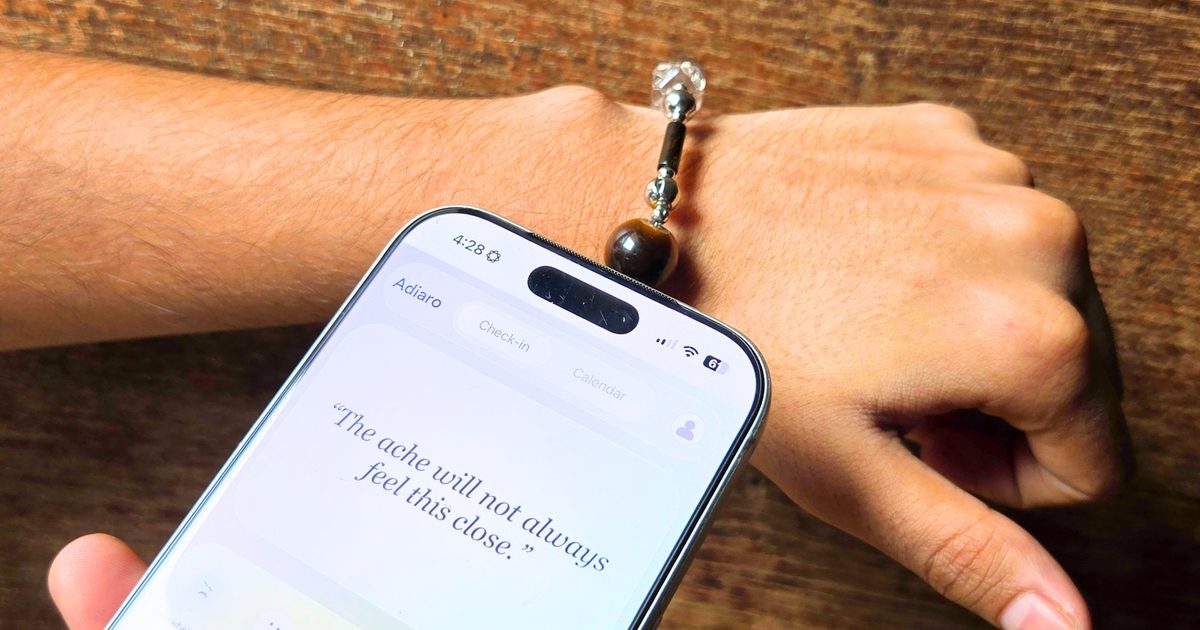
  • I tried a smart bracelet as my digital journal and mood calendar. It’s odd, but it works.
  • Sony still hasn’t fixed a launch date for the PS6, and that’s telling
  • ChatGPT’s Computer History has one big privacy problem
  • Intel may be cooking up a budget Panther Lake chip for gaming handhelds
Facebook X (Twitter) Instagram Pinterest Vimeo
Best in TechnologyBest in Technology
  • News
  • Phones
  • Laptops
  • Gadgets
  • Gaming
  • AI
  • Tips
  • More
    • Web Stories
    • Global
    • Press Release
Subscribe
Best in TechnologyBest in Technology
Home » How to Avoid US-Based Digital Services—and Why You Might Want To
News

How to Avoid US-Based Digital Services—and Why You Might Want To

News RoomBy News Room21 March 20254 Mins Read
Share Facebook Twitter Pinterest LinkedIn Tumblr Reddit Telegram Email
How to Avoid US-Based Digital Services—and Why You Might Want To
Share
Facebook Twitter LinkedIn Pinterest Email

Law enforcement requests for user data from Apple, Google, and Meta mean that these companies can decide whether government authorities have access to your personal information, including location data. This means the companies with the most insight into our lives, movements, and communications are frontline arbiters of our constitutional rights and the rights of non-US citizens—a fact some are likely feeling more acutely now than ever.

Collaboration between Big Tech and the Trump administration began before Donald Trump’s swearing-in on January 20. Amazon, Meta, Google, Microsoft, and Uber each gave $1 million to Trump’s inauguration. Separately, in personal donations, so did Meta CEO Mark Zuckerberg and Apple’s Tim Cook.

Americans concerned about the Trump administration and Silicon Valley’s embrace of it, may consider becoming a “digital expat”—moving your digital life off of US-based systems. Meanwhile, Europeans are starting to see US data services as “no longer safe” for businesses, governments, and societies.

Here’s a brief rundown of the privacy, security, and civil liberties issues related to the use of US-based digital services that suddenly feel more urgent—and what to do about it.

Cozying Up

In anticipation of Trump’s inauguration, Meta-owned Facebook, Instagram, and Threads made drastic policy changes citing alignment with Trump administration values, to permit hate speech and abuse “on topics like immigration and gender.” Meta also signaled its allegiance by ditching its fact-checkers—a frequent target of MAGA world ire. Two days after the inauguration, Meta quietly rolled out pro-life moderation actions through post suppression and account suspensions. Zuckerberg explained the company’s new direction to staff, saying: “We now have an opportunity to have a productive partnership with the United States government.”

Meta did not immediately respond to our request for comment regarding its partnership, data sharing, or policy changes.

Google followed suit. The company changed its Maps and Search results to rename part of the world—the Gulf of Mexico—following a Trump executive order renaming it the Gulf of America, despite the the US claiming control of less than 50 percent of the Gulf. Apple and Microsoft also followed Trump’s order.

Google’s consumer products also received a swath of updates in line with the new administration, including further changes to Maps, Calendar, and Search. Next, Google removed the new administration’s “banned” terms from its Google Health product. Then it did an about-face on its public promise not to build weaponized AI tools, such as Project Dragonfly, which was discovered in 2018 to be tailoring Google’s entire platform to enable China’s aggressive crackdown on its citizens. When reached for comment, Google did not immediately respond.

Big Tech aligning with the Trump administration matters because its business models rely on surveillance and amassing our personal data. Meta, Google, Apple and other large tech firms are among the gatekeepers standing between privacy and government requests for user data. Even when tech firms must comply by law, they’re often still free to decide how much information they collect about people and how long they store the data.

Government Hand-Outs

Current US laws around tech, privacy, and government requests have been guided by bulwarks like the Fourth and Fifth Amendments, US court rulings, and tech companies’ willingness to question the federal government’s opinion that it is entitled to access our personal information and location data. Apple, Google, and Meta each have language about law enforcement data requests that make it seem like they have our backs when it comes to overreach. Now, with companies shaping certain policies, tools, and practices in pursuit of “partnership” with the Trump administration, these companies’ powers over our data takes on new focus.

Generally, law enforcement can compel US companies to hand over user data using a subpoena, court order, search warrant—or, in rarer cases, a National Security Letter (NSL). As Google explains, an NSL is “one of the authorities granted under the Foreign Intelligence Surveillance Act (FISA).” Google adds, “FISA orders and authorizations can be used to compel electronic surveillance and the disclosure of stored data, including content from services like Gmail, Drive, and Photos.” How companies respond to these demands can vary in consequential ways.

Share. Facebook Twitter Pinterest LinkedIn Tumblr Email
Previous ArticleApple’s Foldable iPhone to Use Liquid Metal Materials for Improved Durability: Ming-Chi Kuo
Next Article The most distant galaxy ever discovered holds a surprising secret

Related Articles

Meta promised to stop creepy AI glasses videos, but they’re still all over Instagram
News

Meta promised to stop creepy AI glasses videos, but they’re still all over Instagram

17 August 2026
I found a better way to dictate on my Mac, and it doesn’t need the cloud
News

I found a better way to dictate on my Mac, and it doesn’t need the cloud

17 August 2026
Mac users now have an easier way to install apps from DMG files
News

Mac users now have an easier way to install apps from DMG files

17 August 2026
I’m not buying the idea that killing PlayStation discs will make games cheaper
News

I’m not buying the idea that killing PlayStation discs will make games cheaper

17 August 2026
I tried a smart bracelet as my digital journal and mood calendar. It’s odd, but it works.
News

I tried a smart bracelet as my digital journal and mood calendar. It’s odd, but it works.

17 August 2026
Sony still hasn’t fixed a launch date for the PS6, and that’s telling
News

Sony still hasn’t fixed a launch date for the PS6, and that’s telling

17 August 2026
Demo
Top Articles
5 laptops to buy instead of the M4 MacBook Pro

5 laptops to buy instead of the M4 MacBook Pro

17 November 2024133 Views
ChatGPT o1 vs. o1-mini vs. 4o: Which should you use?

ChatGPT o1 vs. o1-mini vs. 4o: Which should you use?

15 December 2024112 Views
Costco partners with Electric Era to bring back EV charging in the U.S.

Costco partners with Electric Era to bring back EV charging in the U.S.

28 October 2024100 Views

Subscribe to Updates

Get the latest tech news and updates directly to your inbox.

Latest News
Sony still hasn’t fixed a launch date for the PS6, and that’s telling News

Sony still hasn’t fixed a launch date for the PS6, and that’s telling

News Room17 August 2026
ChatGPT’s Computer History has one big privacy problem News

ChatGPT’s Computer History has one big privacy problem

News Room16 August 2026
Intel may be cooking up a budget Panther Lake chip for gaming handhelds News

Intel may be cooking up a budget Panther Lake chip for gaming handhelds

News Room16 August 2026
Most Popular
The Spectacular Burnout of a Solar Panel Salesman

The Spectacular Burnout of a Solar Panel Salesman

13 January 2025137 Views
5 laptops to buy instead of the M4 MacBook Pro

5 laptops to buy instead of the M4 MacBook Pro

17 November 2024133 Views
ChatGPT o1 vs. o1-mini vs. 4o: Which should you use?

ChatGPT o1 vs. o1-mini vs. 4o: Which should you use?

15 December 2024112 Views
Our Picks
I’m not buying the idea that killing PlayStation discs will make games cheaper

I’m not buying the idea that killing PlayStation discs will make games cheaper

17 August 2026
I tried a smart bracelet as my digital journal and mood calendar. It’s odd, but it works.

I tried a smart bracelet as my digital journal and mood calendar. It’s odd, but it works.

17 August 2026
Sony still hasn’t fixed a launch date for the PS6, and that’s telling

Sony still hasn’t fixed a launch date for the PS6, and that’s telling

17 August 2026

Subscribe to Updates

Get the latest tech news and updates directly to your inbox.

Facebook X (Twitter) Instagram Pinterest
  • Privacy Policy
  • Terms of use
  • Advertise
  • Contact Us
© 2026 Best in Technology. All Rights Reserved.

Type above and press Enter to search. Press Esc to cancel.