





Anti-surveillance clothing is starting to look less like an art-school experiment and more like something you could actually wear outside. Shirts designed to confuse facial recognition systems now cost about as much as ordinary streetwear, although buying one won’t make you disappear.
The Guardian reports that designers are using face-like prints, unusual cuts and infrared lights to interfere with computer vision. These techniques target specific weaknesses, so their success depends on what happens to be watching you.
How can clothing confuse a camera
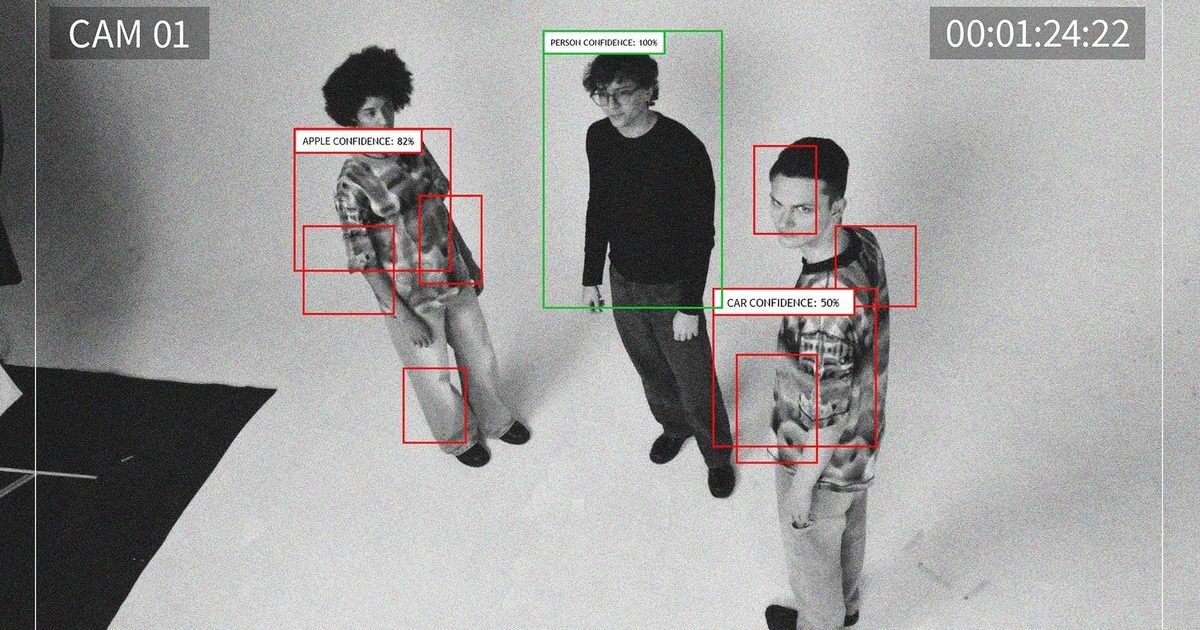
Adversarial clothing takes advantage of the shortcuts software uses to identify people and objects. Urban Privacy’s Faception designs scatter fake faces across the fabric, giving an algorithm more visual noise to process.
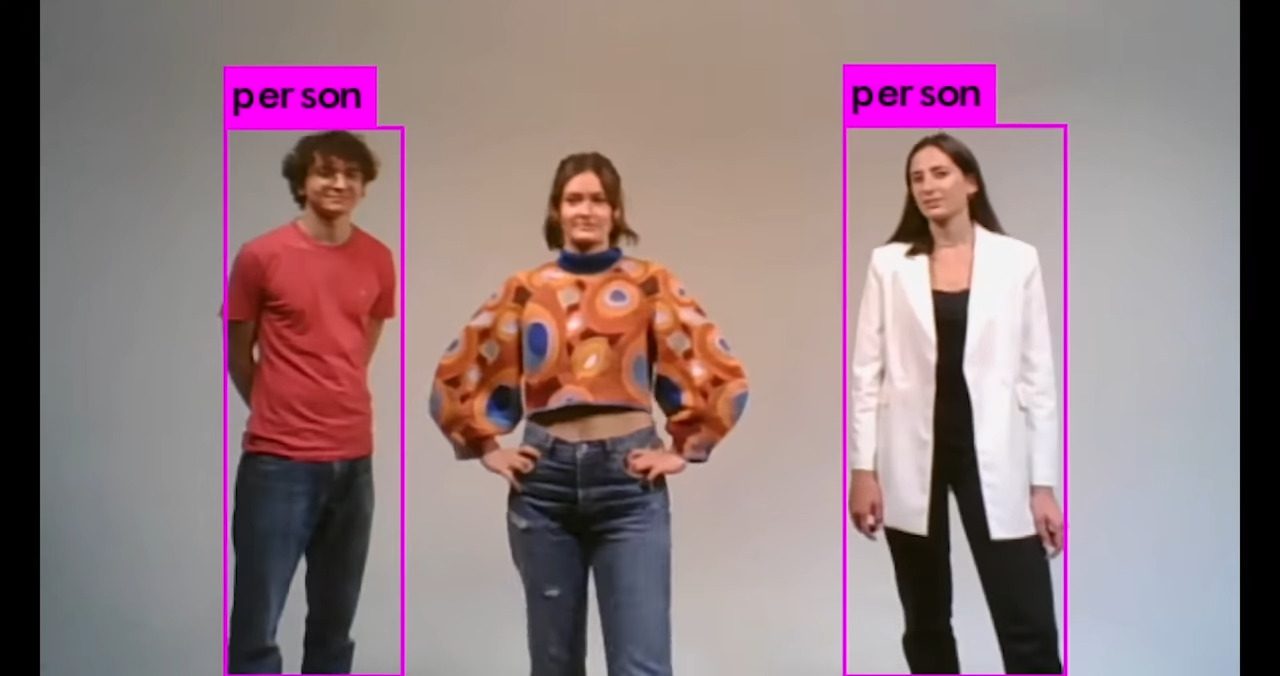
Cap_able uses knitted patterns created with AI. The company says versions of the YOLO object-detection system have mistaken its designs for animals or small figures instead of identifying the wearer as a person. It’s an amusing result, but fooling one model doesn’t guarantee the same trick will work elsewhere.
Urban Privacy’s experimental Urban Ghost coat tries a different approach. Infrared LEDs around its hood are intended to overwhelm compatible night-vision cameras. Regular cameras and other surveillance systems may remain completely unimpressed.
How affordable is privacy fashion
Urban Privacy lists Faception Reloaded T-shirts from €35, sweatshirts from €59 and hoodies from €65. At those prices, anti-surveillance clothing isn’t reserved for wealthy privacy enthusiasts or gallery mannequins.
Cap_able remains considerably more expensive. Its knitted crop tops start at €560, while a hoodie costs €620. That puts the collection firmly in wearable-art territory, but the cheaper Urban Privacy garments show how quickly the idea is filtering down. You can now test an adversarial pattern without making your bank account unrecognizable too.

Why shouldn’t you trust it completely
Controlled testing against one object-detection model can’t prove a garment will defeat facial recognition in public. Lighting and camera position can alter the result, while newer software may learn to ignore patterns that once caused trouble. Researcher Jennifer Bell also told The Guardian that these products haven’t undergone independent real-world testing.
That makes adversarial clothing more convincing as protest than protection. Wearing one makes a clear statement about surveillance and may inconvenience certain systems along the way. Just don’t treat a patterned hoodie as an anonymity switch. Until these garments face broader independent testing, assume the camera can still see you.