




AI slop, the colloquial term for low-effort AI-generated content, has emerged as a huge problem across different industries. Music labels are fighting streaming services to put an AI label on such tra/cks. Publishing houses are wary of AI-written drafts. Research journals are buried under a deluge of AI-generated papers. The software industry is reeling under the pressure of vibe-coded apps brimming with security flaws. Even Apple is struggling against a tide of bug reports created using AI. Of course, the disdain against AI is pretty obvious, but there’s now a new dimension to it.
Boomers are gifting AI-generated books to their grandkids.
“She is creating these storylines based on experiences with my kid and modeling her characters to have similar attributes as my kid, and us[ing] our family’s first names so that they represent us and my kid will ‘see her family reflected,’” an individual wrote on Reddit, detailing how their mother was using AI to make stories for their grandkids, influenced by real-life events.
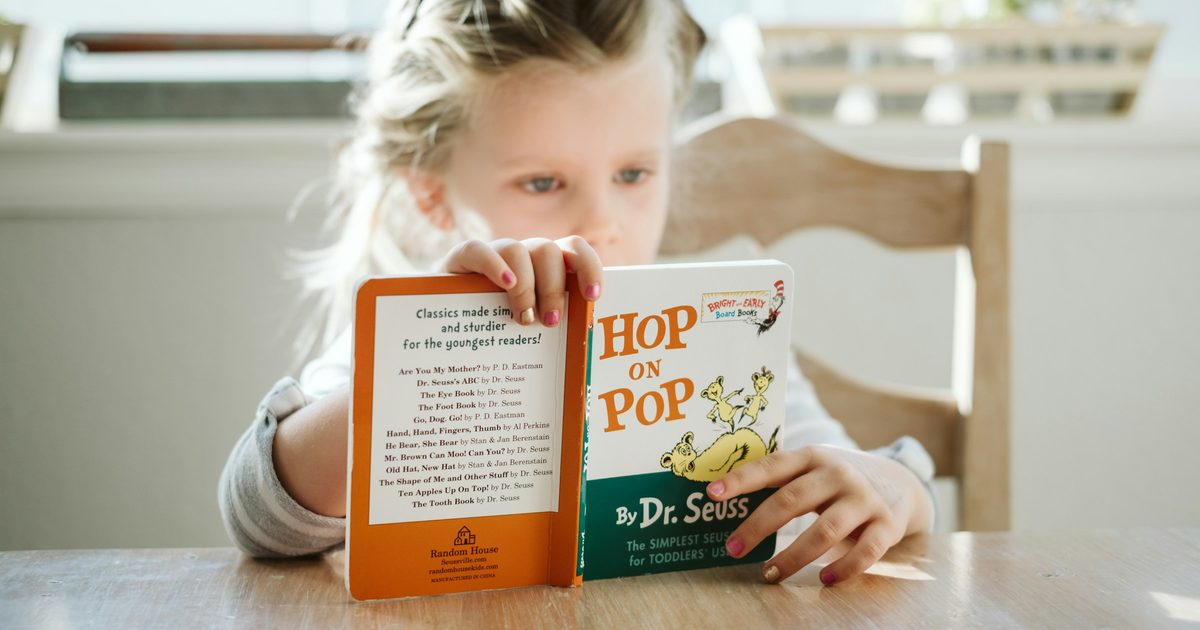
Multiple parents told WIRED that their kids have received AI-generated story books from grand parents or other senior family members, labelling the trend as “morally reprehensible.” The trend is horrific. I have seen numerous AI-generated books targeted at kids selling on online marketplaces, and even advertisements for tools that use AI to write notes and tributes for real humans.
The whole well is polluted
Ironically, the support for such behaviour comes from AI giants that also own the world’s biggest channels for distrubuting digital content in all shapes and forms. One such source is Amazon, which also runs Kindle as one of the world’s largest digital books platforms.
As far back as 2024, it was reported that Amazon’s store has an AI slop book problem. Poor, AI-written copies of popular books have flooded the ecommerce platform. In the most recent incident that got plenty of coverage in online circles just three weeks ago, Kashmir Hill, a technology journalist at The New York Times, wrote an account of how someone used AI to write her biography and put it for sale on Amazon.
Here is the fun part. You would think that Amazon must be drafting harsh anti-AI policies by now. Well, Amazon is actually adding more fuel to the fire. All the way back in 2022, Amazon released an AI feature called “Create with Alexa,” which lets users create bedtime stories for kids, complete with visuals and animations. In 2026, Amazon rolled out a similar feature that lets you create podcasts on any topic using the Alexa AI assistant.
Platforms like YouTube are also seeing a tsunami of AI-generated brainrot content targeted at kids. It’s pretty odd (and disheartening) to see that the biggest platforms for digital content in varied forms are also owned by companies that are doing cutting-edge work and pushing AI into our lives from every direction.
Amazon should be the guardian of books (on Kindle and its eponymous store for physical books), films and TV shows (through Prime Video) and songs (via Amazon Music). Google and Meta are in a similar position, but once again, they are likely not going to take these AI problems hitting close to home as responsibly as they should.