




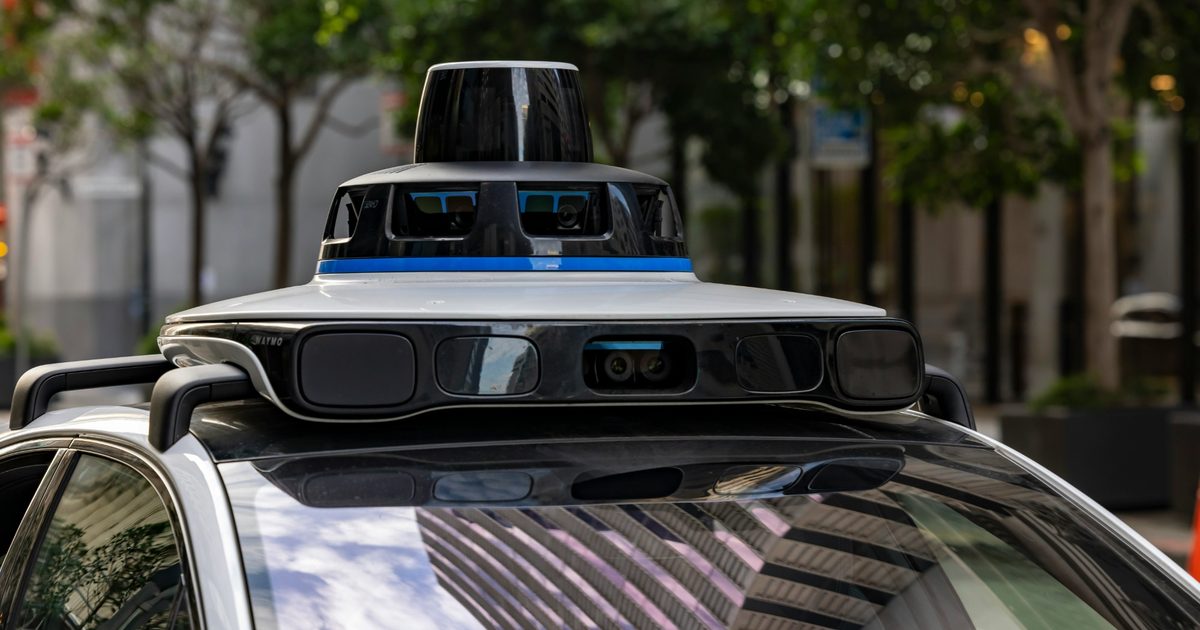
Self-driving cars have gotten pretty good at driving. The harder problem is teaching them to drive safely in situations nobody planned for. We have heard horror stories of self-driving cars, behaving erratically in emergency situations, often times delaying first responders from reaching the scene.
A team at Seoul National University, led by professor Jun Won Choi from the Department of Electrical and Computer Engineering, thinks they have cracked part of that puzzle with a new AI model called SafeDrive. The research was recently selected as a highlight paper at CVPR 2026, a distinction that goes only to roughly 3% of all submissions.
How does SafeDrive make driving decisions safer?
Most end-to-end autonomous driving models work by studying massive amounts of real driving data and trying to mimic how humans react on the road. It works well most of the time, but these systems tend to struggle when it comes to explaining why they chose one path over another, and that becomes a real problem when safety is on the line.
Choi’s team built something called Fine-grained Safety Reasoning to fix this. Instead of picking one driving path and going with it, SafeDrive generates several possible trajectories, combines them with what the car’s sensors are perceiving, and scores each option for safety. The car then picks the path that scores best. It sounds simple, but it directly tackles the two biggest weaknesses of current end-to-end systems, safety and explainability.
Why is this such a big deal for Korea?
As TechXplore reports, this is the first time a Korean-made end-to-end autonomous driving paper has landed a highlight spot at CVPR, one of the biggest AI and computer vision conferences in the world. It is a strong signal that Korea is no longer just watching from the sidelines while the US and China race ahead with their self-driving ambitions.

SafeDrive is not staying stuck in the lab either. It has already been folded into EAD, a reference model backed by Korea’s Ministry of Trade, Industry and Energy, and Choi’s team is now working with domestic autonomous driving companies to test it in real vehicles. Choi says the plan is to keep improving the model with bigger datasets and eventually push it toward full commercialization using their own collected data.