






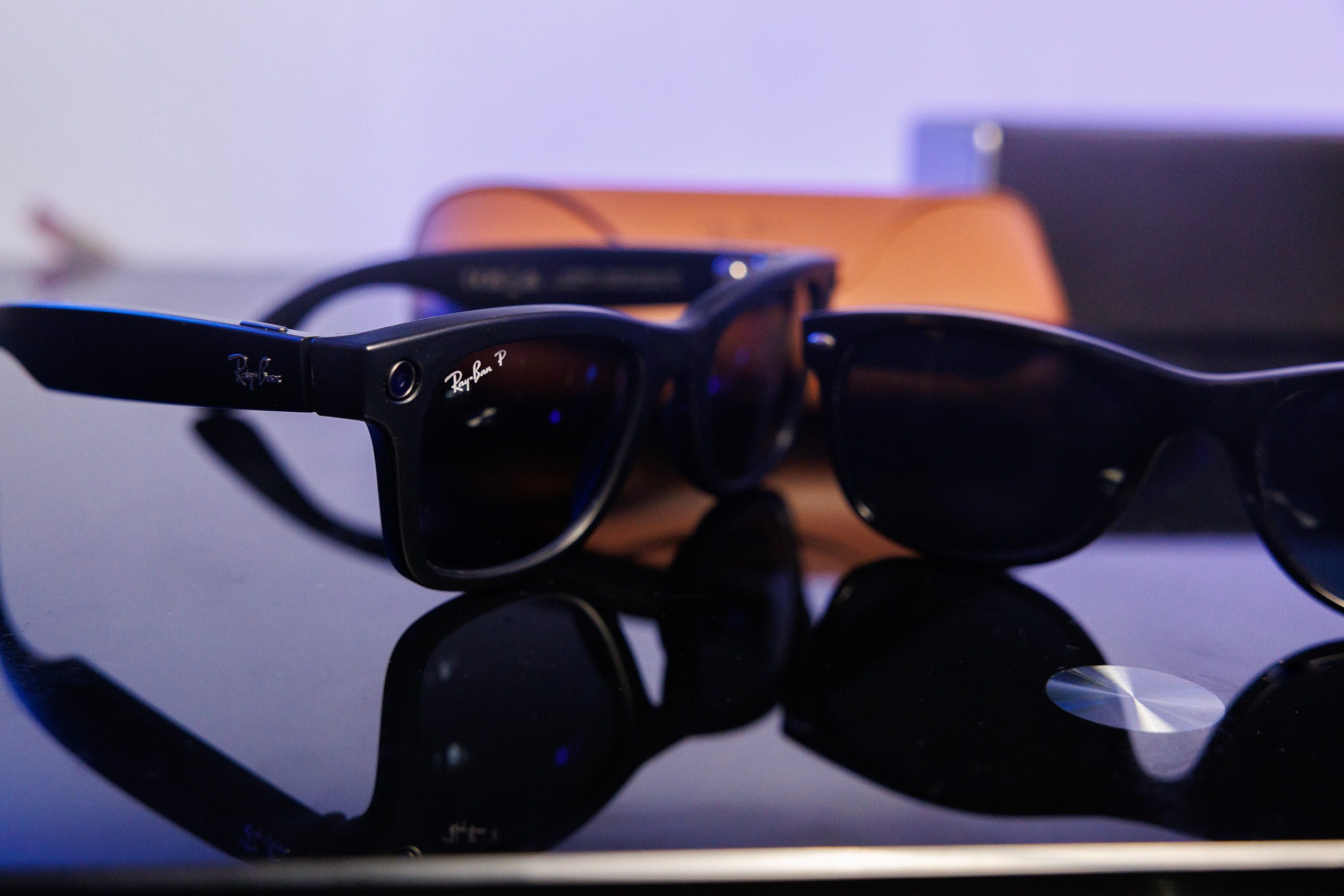
Meta is trying to fix one of the biggest problems hanging over its smart glasses: the uncomfortable possibility that the person wearing them could be recording you without your knowledge.
The company is rolling out a privacy update designed to close a loophole that allowed wearers to keep recording even after covering the glasses’ front-facing capture LED. The change comes as Meta’s AI-powered glasses face growing scrutiny over privacy, harassment and the increasingly blurry line between wearable technology and covert surveillance.
Meta closes a loophole that let users keep recording
Meta’s smart glasses already use a built-in capture LED that flashes when someone is taking a photo or recording video. The idea is simple: people nearby should have a visible signal that the camera is active.
But some users discovered they could bypass that safeguard by covering the LED after recording had already started. In other words, the glasses could continue capturing video while the visual warning was hidden.
Meta’s vice president of augmented reality, Alex Himel, said the company is now changing how the system works. If the capture light is covered during a recording, the camera will stop working rather than continuing to record. Meta had previously introduced protections that shut off the camera when users physically tampered with the capture light, but this update specifically targets the loophole involving users covering the LED after recording begins.
Himel said Meta plans to continue updating the system to ensure the capture LED can reliably alert bystanders when photos or videos are being recorded. He also argued that the fact that only a small number of users attempt to bypass the system shows the company’s existing safeguards are working, even if those protections clearly needed another layer.
The privacy problem is becoming harder for Meta to ignore
The update matters because smart glasses are no longer a niche experiment. As cameras become easier to wear and less obvious to spot, the concern is not simply what the technology can do, but whether the people around it know when it is being used.
Meta’s glasses have already generated concerns about privacy and harassment, particularly after reports of wearers recording strangers without consent and using the glasses in ways that critics say could enable unwanted surveillance. The controversy has contributed to a broader backlash against the devices, including a global campaign criticizing Meta’s smart glasses.
Meta is also trying to change the public perception of the product. A new marketing campaign highlighted on page 2 of the report emphasizes that the glasses are “designed for everyone,” while specifically telling people who encounter the devices that the camera lets them “capture the moment.”
For wearers, the update should make the privacy indicator harder to defeat. For everyone else, it is an acknowledgment that a tiny LED is doing a lot of important work.
What comes next will be a bigger test for Meta. Closing one loophole may help, but as smart glasses become more common, the company will have to prove that its privacy protections can keep up with people finding new ways around them.