




I spent some time in the internet’s fakest mall, filling a shopping cart with things I could not buy, hunting for discounts on products that do not exist, and checking out three separate times for a grand total of $0.00. Then I placed a fake food order and smoked a cigarette I could not taste, with strangers I will never meet, on a rooftop that does not exist either. My bank balance never changed, but my brain, annoyingly, did.
When I first heard about South Korea’s growing “dopamine sites,” I assumed they were another internet oddity I would poke around for five minutes and forget by lunch. Instead, I found a surprisingly clever idea hiding beneath the absurdity. You can browse endless imaginary products, add everything to your cart, and complete a purchase that never actually exists. These websites aren’t trying to sell you anything. They’re trying to recreate the feeling of shopping while removing the part that empties your wallet.
Inside the sites built to fake the shopping high
FakeHaul is where I lost the most time, and I mean that as a genuine compliment to whoever names these products. I added a “CarryAll StepShield Waterproof Shoes” marked down to $59.50 from a suspiciously specific $92.00, a yoga mat I do not need, and a dress I can’t wear.
A countdown timer insisted my deal expired at midnight, which is absurd for a product that was never manufactured, and yet I felt a flicker of urgency, the kind that makes you click ‘Add to cart’ before your brain catches up with the fact that none of this is real. Every checkout landed at exactly $0.00, despite the price tag, and I kept going back for more, not entirely out of curiosity anymore. There was a small, undeniable hit somewhere in there.
The purchase was never real, but the dopamine hit was
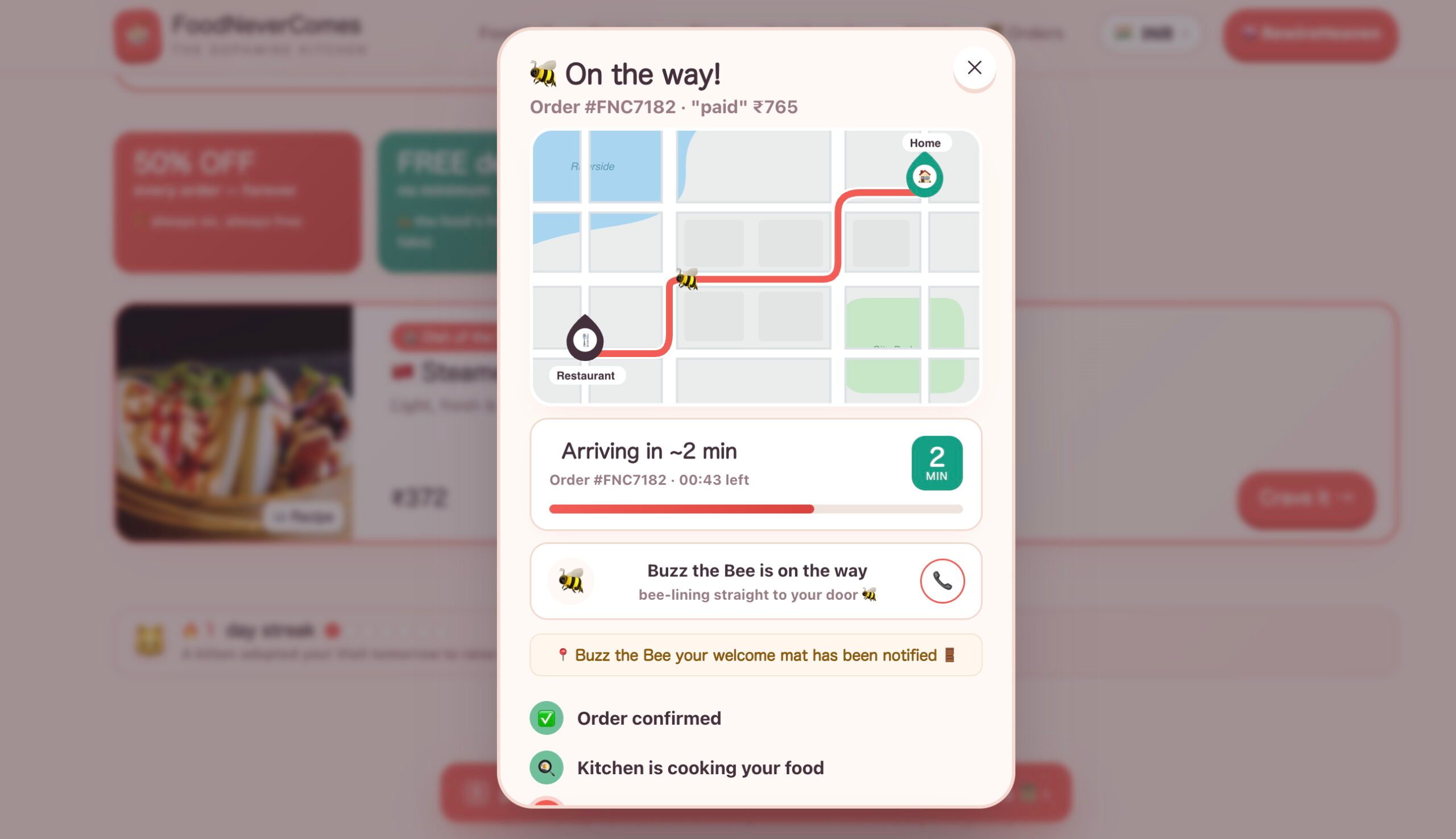
Next, I tried the fake food delivery site FoodNeverComes, where I placed an order for steamed bao buns and watched a little bee icon crawl across a map toward my fake address. Watching that tracker move gave me the same small thrill I get from a real delivery app – complete with the anticipation, the countdown, the little rush of “it’s almost here.” When the tracking window vanished and nothing showed up, I actually felt slight disappointment, which tells you everything about how convincing this whole illusion is.
Shopping isn’t the only habit these sites fake
Damta.world is another dopamine site that lets you take a virtual cigarette break, which somehow worked the best of all three. You can tap to light it, tap again to flick off the ash, and hold the filter to blow an actual doughnut-shaped smoke ring, complete with crackling ASMR sound effects.
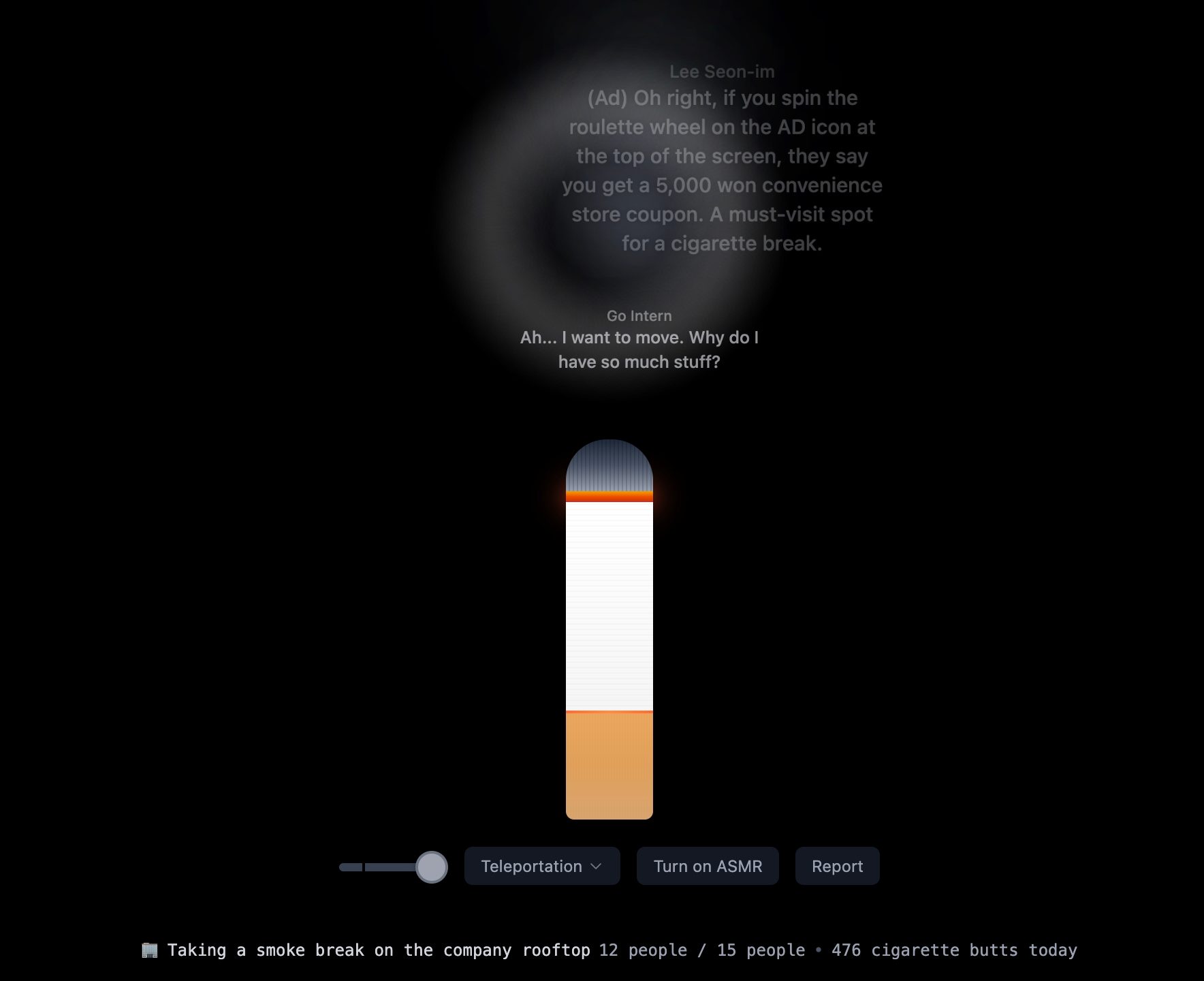
A live counter told me how many strangers were smoking alongside me in real time, while anonymous messages scrolled by from people just quietly getting through their day. I spent a few minutes there, and it felt like an actual break, calm in a way I did not expect from tapping an animated cigarette on my screen.
Do they actually help or simply replace one habit with another?
Psychologists interviewed about dopamine sites say they may satisfy the urge to spend without the financial consequences, but they also point out that users are still rehearsing the same behaviors. Browsing, comparing, adding items to a cart, and checking out are the very rituals many people are trying to escape.
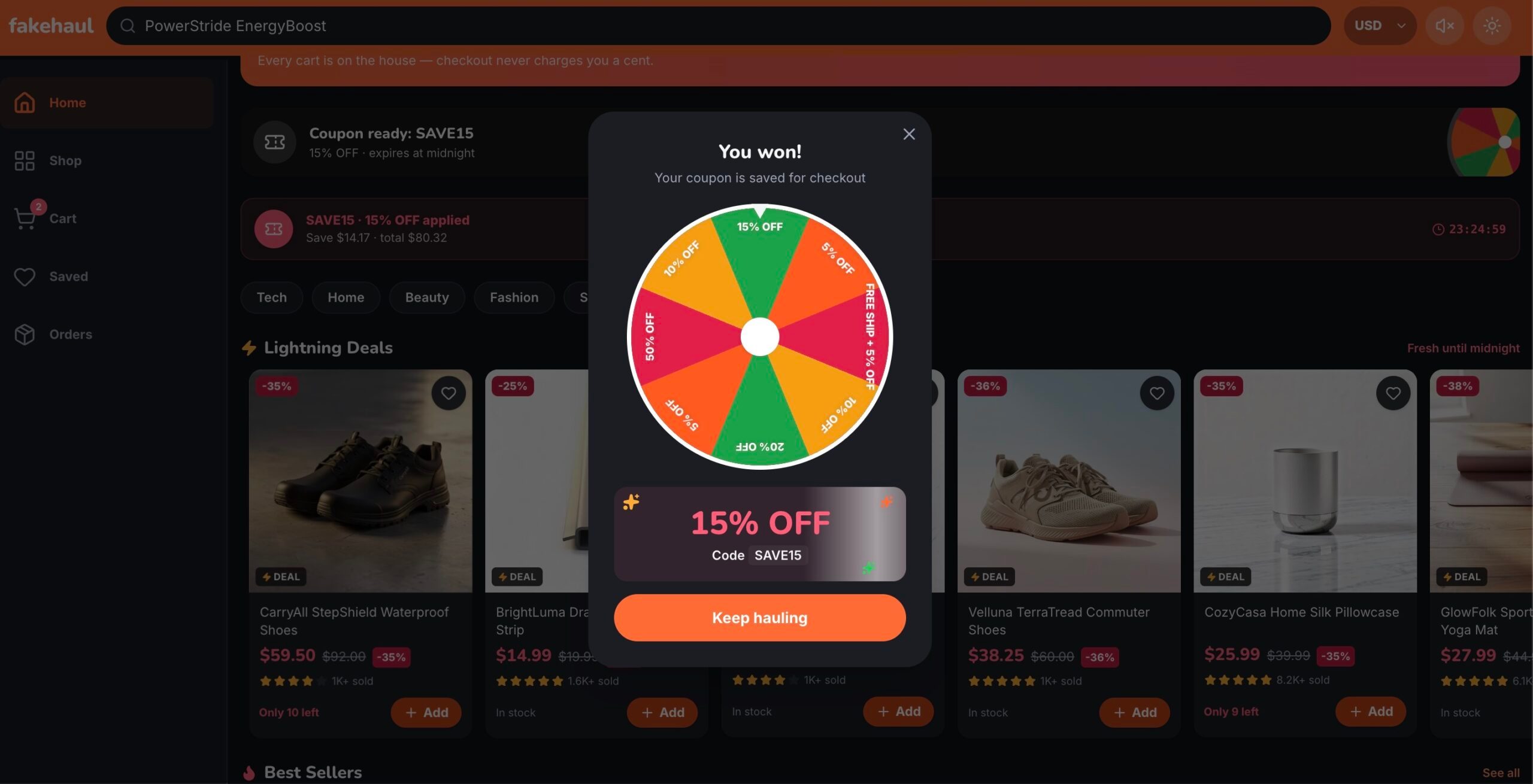
Even FakeHaul’s creator admits the line is blurry. Features like a daily coupon wheel could keep people returning, raising the possibility that a tool designed to reduce compulsive shopping could become another engagement loop.
Given how easily my brain fell for the dopamine hit, I don’t think these websites are a cure for impulse spending. But I do think they reveal something about how shopping apps or addictive habits work. Shopping or social media apps basically trigger a psychological loop, and these fake sites just strip the products away, leaving the psychology fully exposed. What is left is a surprisingly entertaining reminder that the biggest reward was never the purchase. It was everything that happened before checking out.