



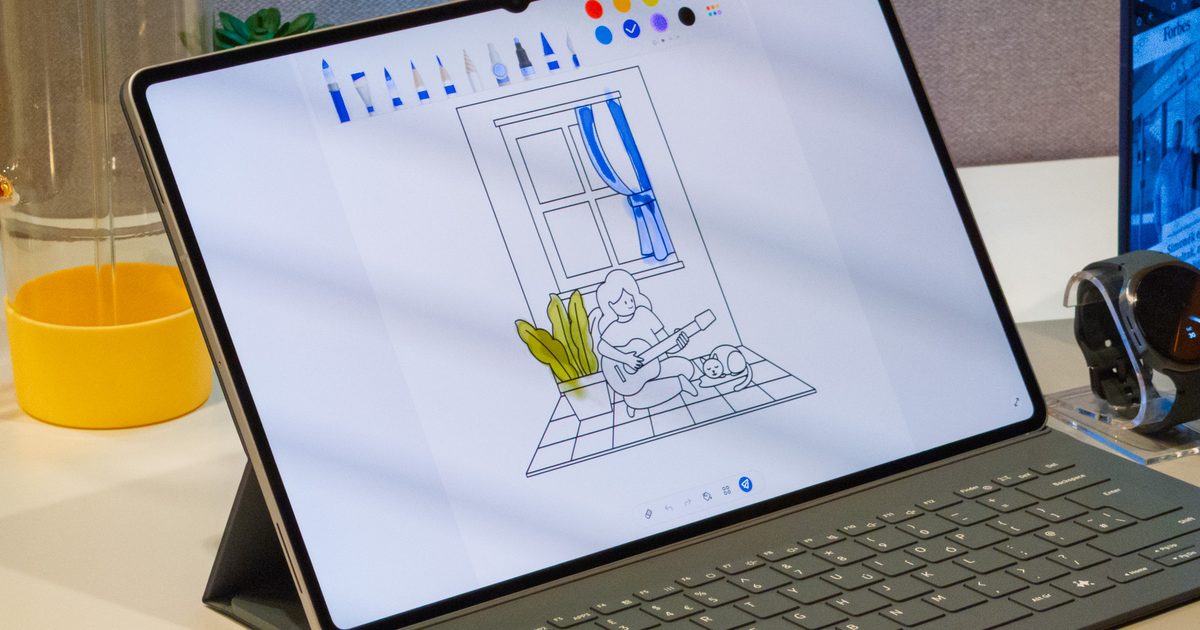
Samsung appears ready to place another major bet on MediaTek for its most expensive Android tablet. After using the Dimensity 9300+ inside the Galaxy Tab S10 Ultra and the Dimensity 9400+ in last year’s Tab S11 Ultra, the company may stick with the chipmaker for a third consecutive generation.
A new Geekbench listing linked to the Galaxy Tab S12 Ultra now gives that possibility more weight. The device carries the model number SM-X946B, closely following the SM-X936B used by its predecessor. Its processor configuration points toward MediaTek’s Dimensity 9500. The chip features one prime core, three performance cores, and four efficiency cores, while the fastest core reaches 4.21GHz. Those details rule out Qualcomm’s last two flagship Snapdragon processors.
Samsung’s MediaTek experiment is clearly working
The alleged Galaxy Tab S12 Ultra scored 2,424 points in Geekbench’s single-core test and 8,446 points in the multi-core run. It is only a modest improvement over the Galaxy Tab S11 Ultra, although benchmark results from unfinished hardware rarely represent final performance. The test unit also has 12GB of RAM, matching the starting configuration of last year’s model. Samsung may also offer a more expensive 16GB version.
Qualcomm’s Snapdragon 8 Elite Gen 5 still leads in raw CPU performance and peak benchmark scores. However, the Dimensity 9500 offers strong sustained performance, better thermal stability, and a more capable on-device AI processor. Those advantages make sense inside a large tablet that may be used for extended gaming sessions, multitasking, video editing, and other demanding workloads.
Most of the tablet may stay unchanged
The new processor could end up being one of the few major upgrades this year. Previous reports suggest the Galaxy Tab S12 Ultra will retain the 14.6-inch Dynamic AMOLED 2X display, 11,600mAh battery, and 45W charging found on its predecessor.
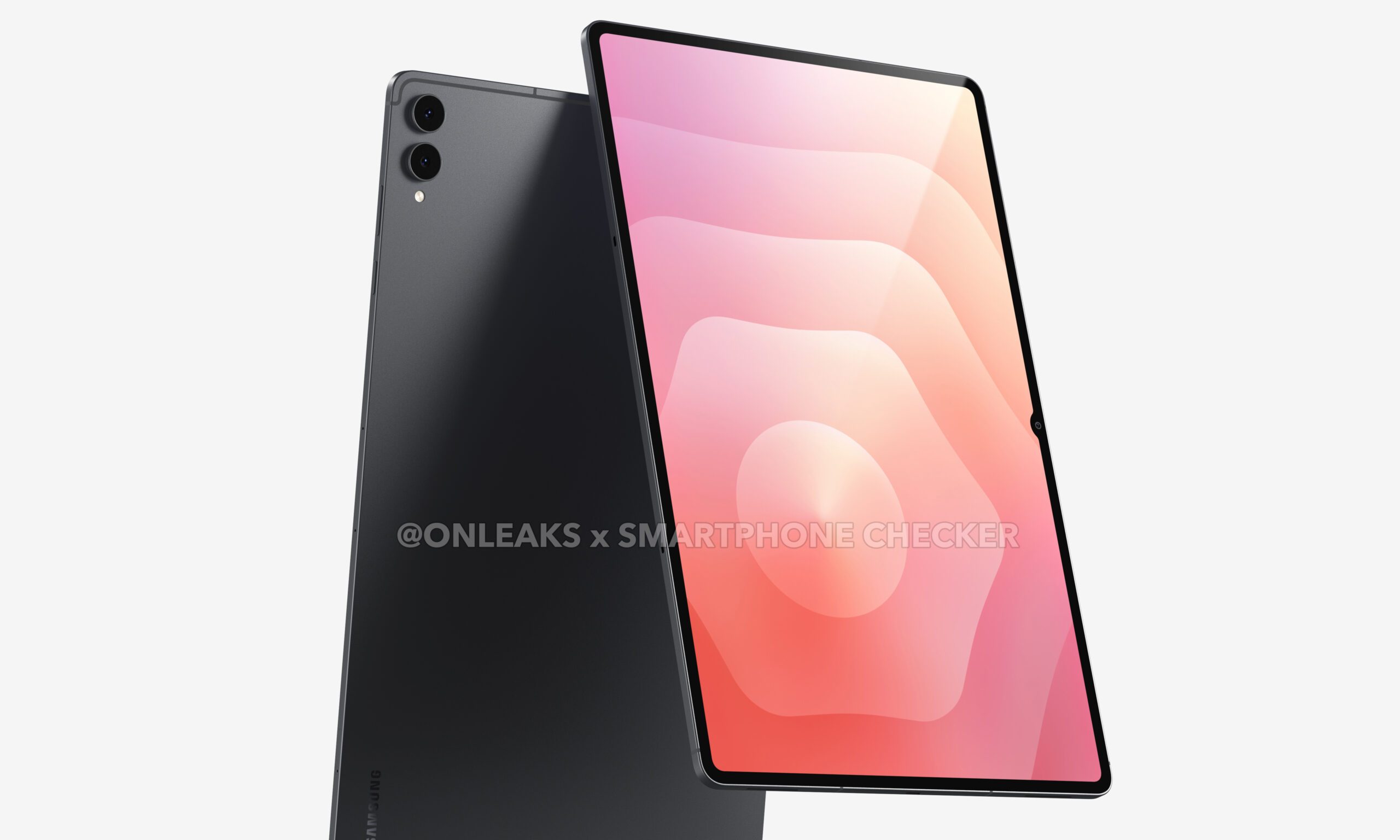
The camera setup is also expected to remain familiar, including a 13MP main camera, an 8MP ultrawide, and a 12MP selfie camera. Android 17 and One UI 9 should arrive out of the box, alongside seven major operating system updates and seven years of security patches.
Samsung has already confirmed that the Galaxy Tab S12 series is coming later this year, while previous reports point toward a September launch. The company has also warned that rising memory and component costs could make upcoming devices more expensive, and the Tab S12 Ultra may not escape that pressure. If its price does increase, Samsung will need to give buyers a convincing reason to choose it over last year’s model.